
Do Splashbacks Need Sealing?
When planning a kitchen or bathroom finish, many homeowners assume sealing is a standard requirement for any wall surface. This is true for some traditional materials, but modern splashbacks—especially glass—follow a different set of rules.
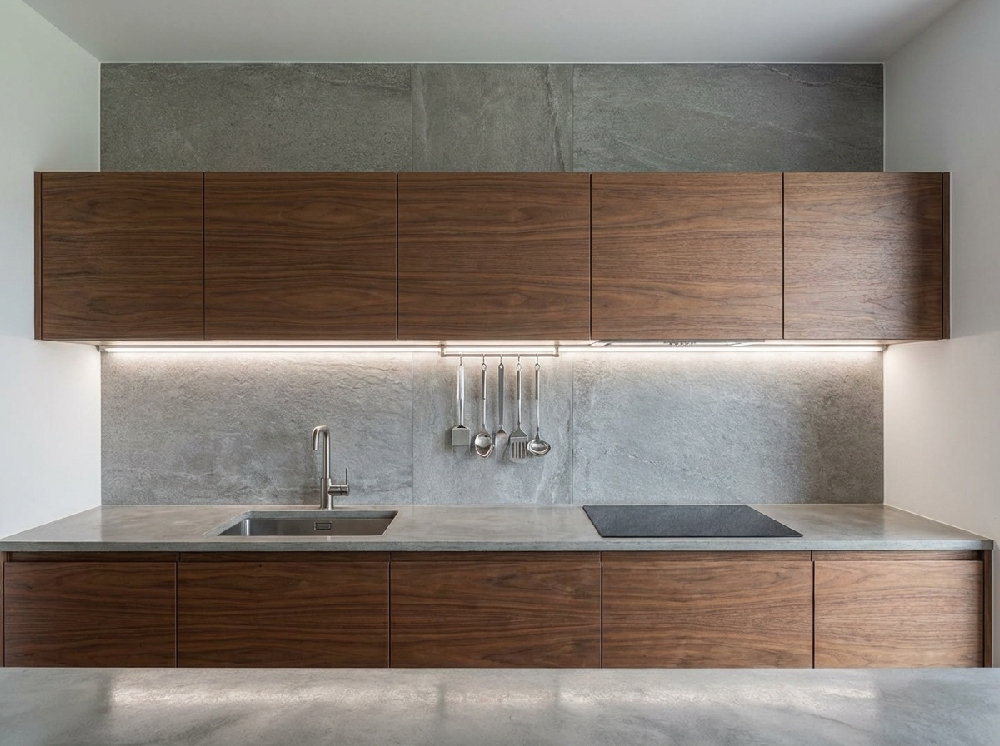
Why Sealing Was Important in Traditional Finishes
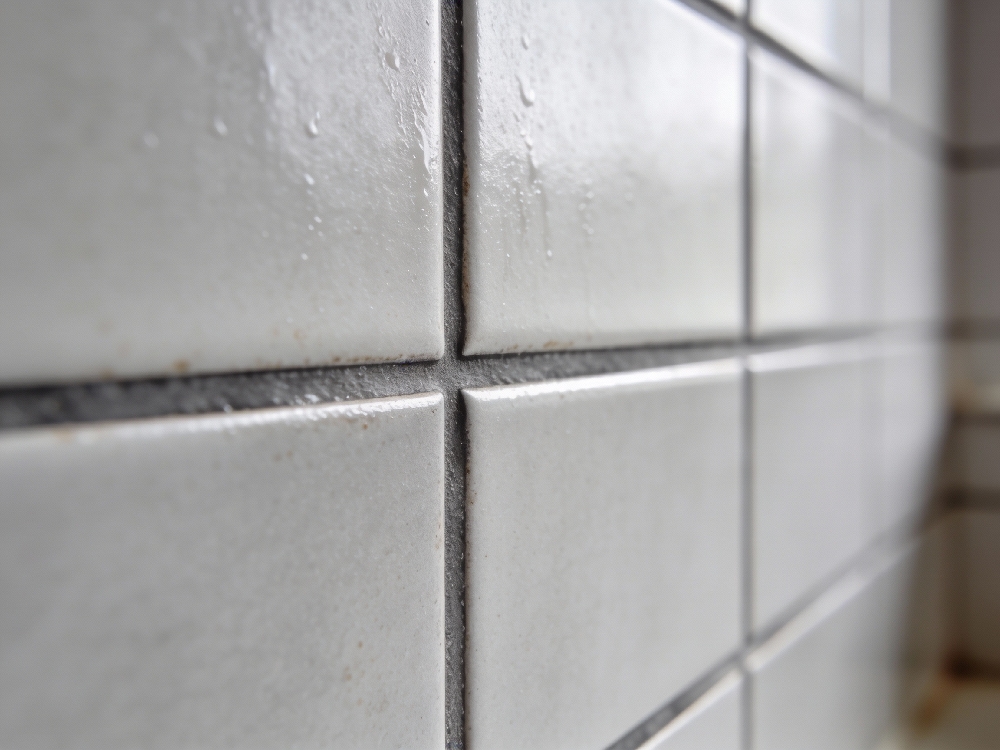
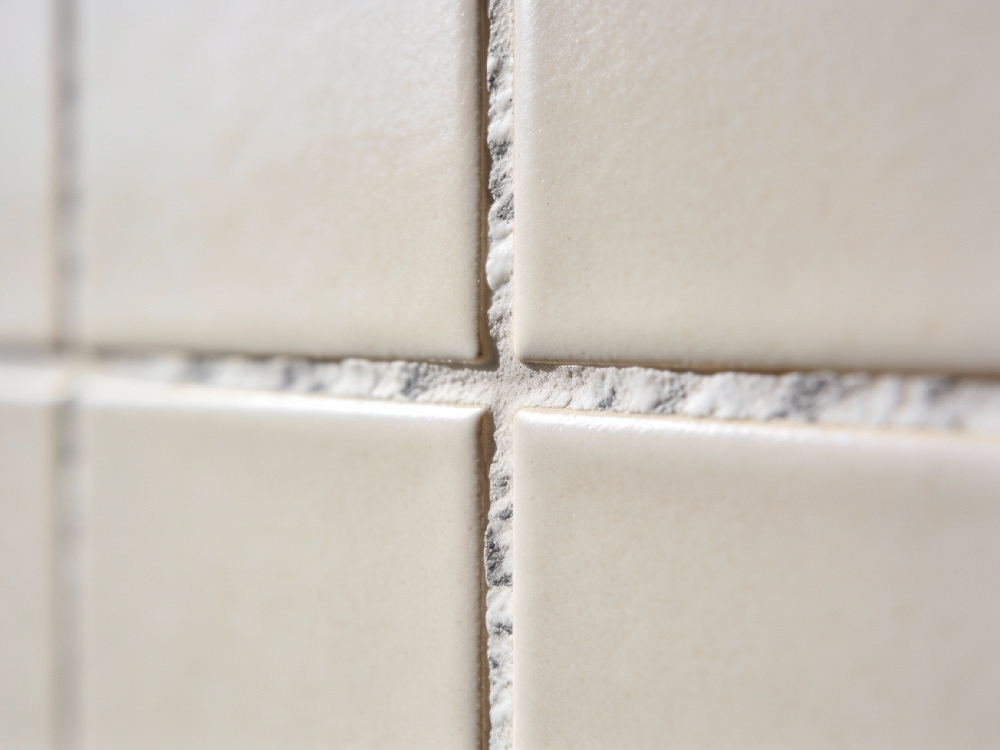
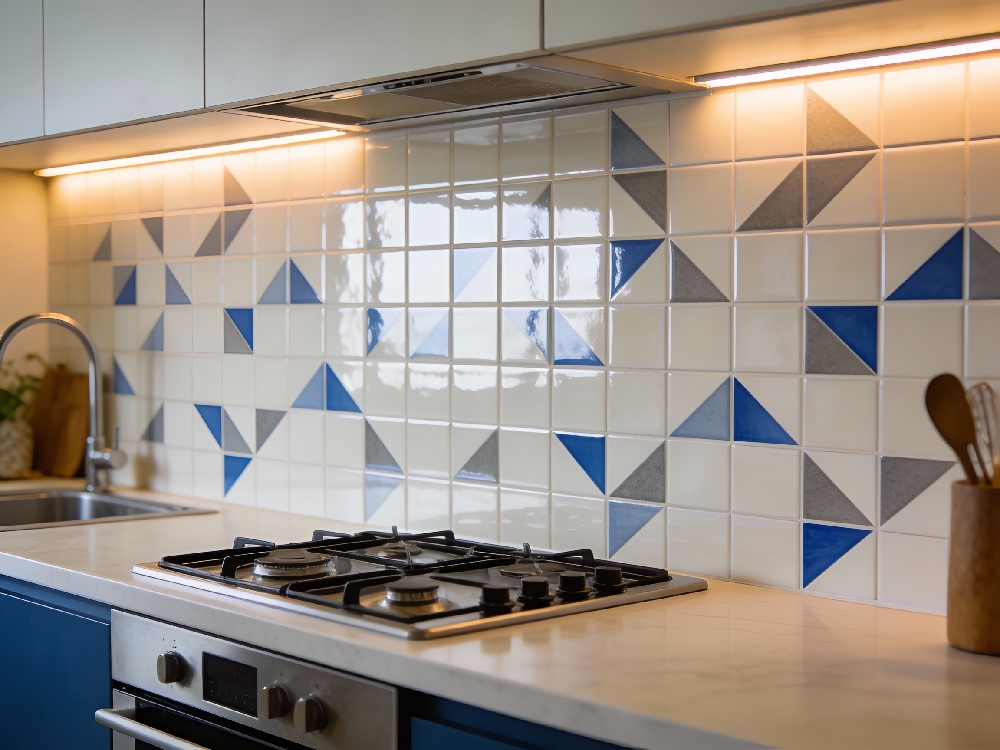
Historically, tiled splashbacks required sealing to protect grout lines from moisture, grease, and staining. Without sealing, grout could absorb water, discolor, and deteriorate over time.
Sealing was therefore a maintenance necessity rather than a design choice.
Do Modern Splashbacks Require Sealing?
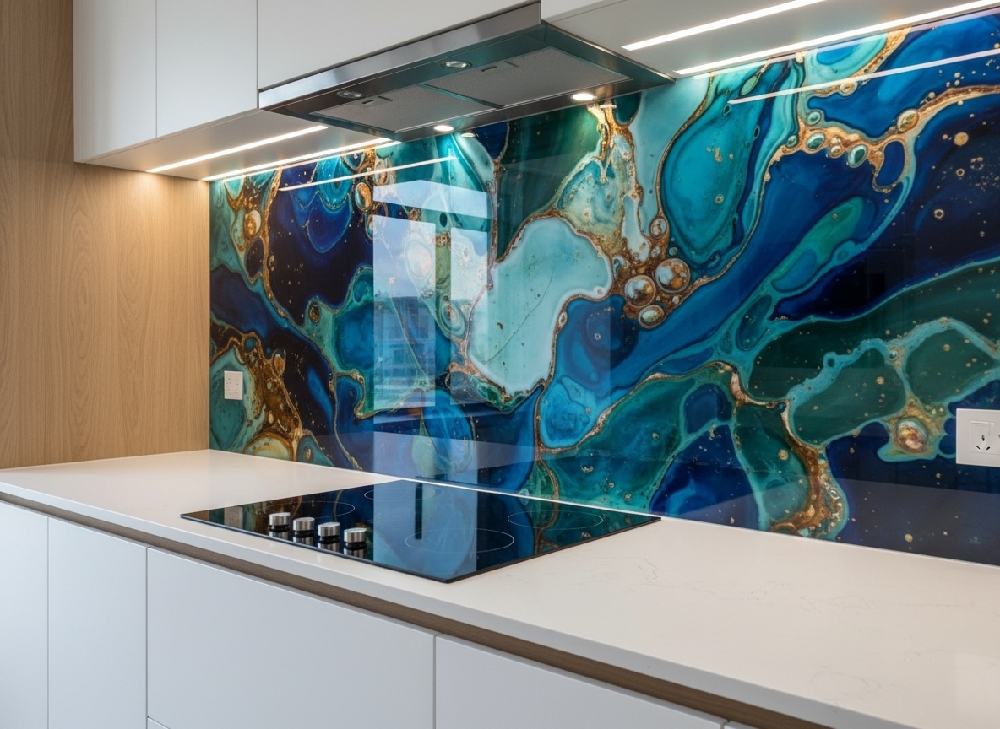
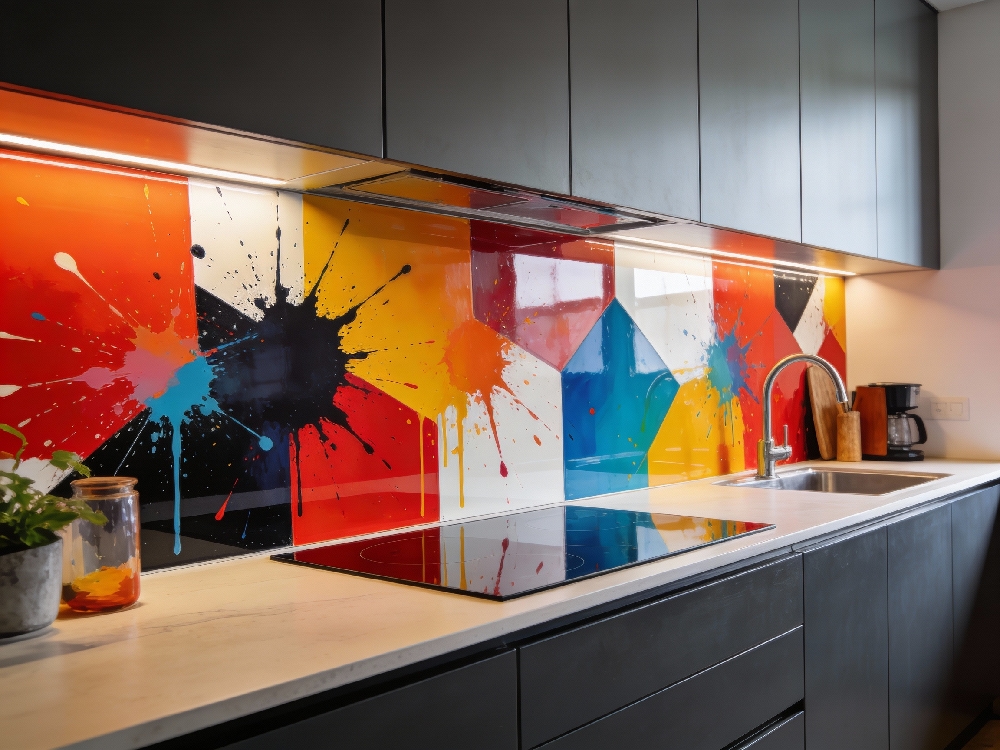
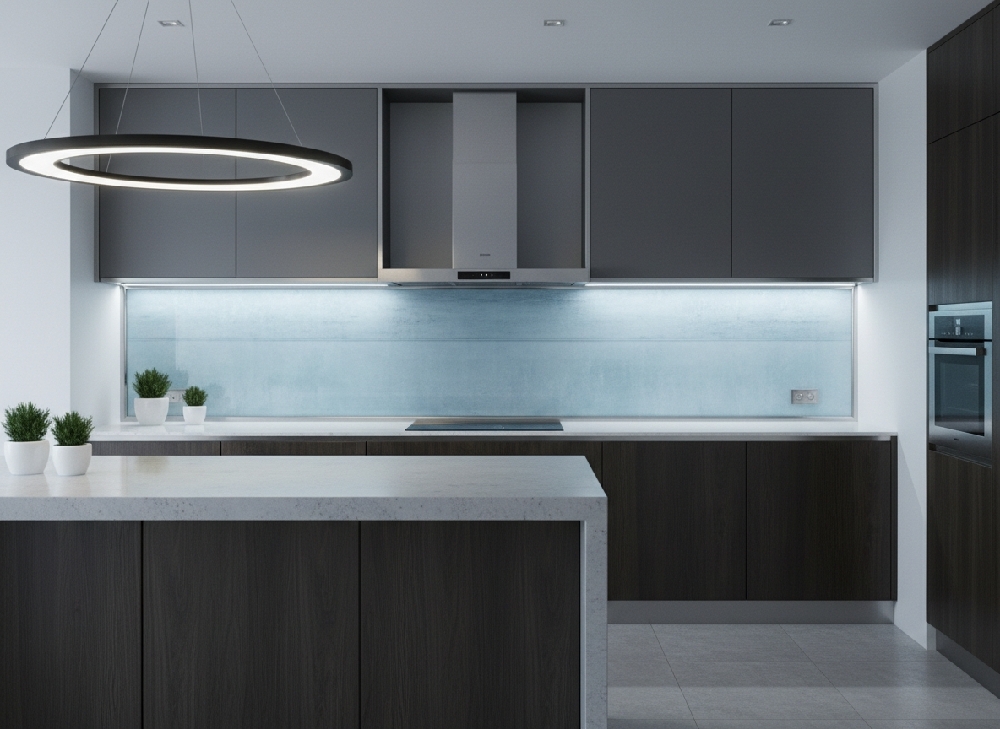
Most glass splashbacks do not need sealing at all.
This is because glass is:
Non-porous – it doesn’t absorb water or grease
Seamless – no grout lines to protect
Factory-finished – color and backing are permanently bonded
As a result, sealing provides no functional benefit for glass surfaces.
What About Other Splashback Materials?
Sealing requirements depend on the material:
Tiles: Usually require grout sealing and periodic maintenance
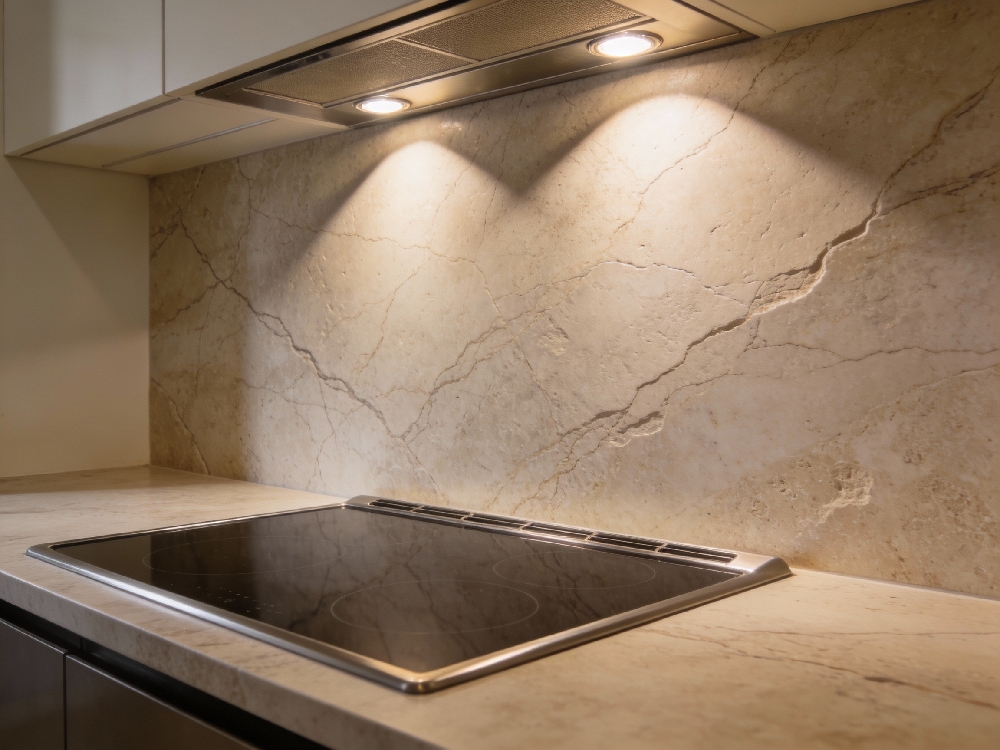
Natural stone: Often needs sealing to prevent staining
Laminate or acrylic panels: Typically do not require sealing but must be properly installed
Glass: No sealing required under normal conditions
Understanding this distinction helps avoid unnecessary maintenance costs.
Where Proper Installation Matters More Than Sealing
For glass splashbacks, installation quality is far more important than sealing.
Correct adhesive use, accurate measurements, and tight wall contact ensure:
Moisture cannot collect behind the panel
Edges remain clean and stable
Long-term durability is maintained
Made-to-measure solutions from DIY Splashbacks help achieve this precision, reducing future maintenance concerns.
Maintenance Without Sealing
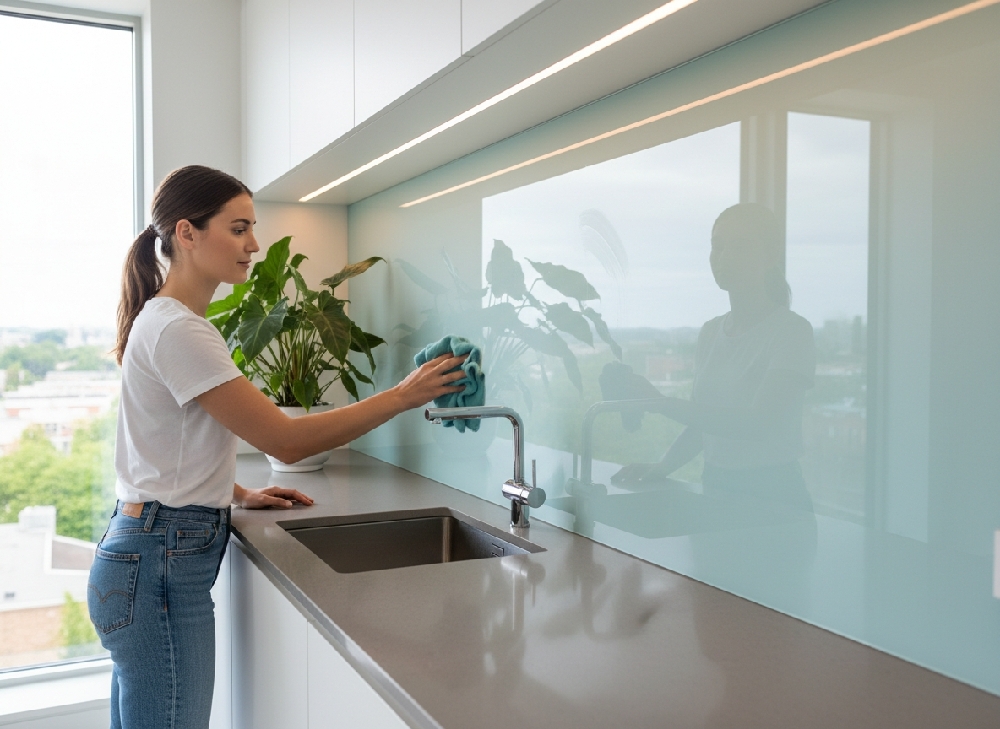
Even though sealing isn’t required, regular cleaning still protects appearance.
Simple wiping with a soft cloth and non-abrasive cleaner is enough to maintain clarity and shine.
There’s no resealing schedule, no grout treatment, and no specialist upkeep—one of the key long-term advantages of glass.
Key Takeaway
Most modern splashbacks—particularly glass—do not need sealing.
Unlike tiles or natural stone, glass provides a non-porous, seamless surface that resists moisture and stains without additional treatment.
In practical terms, this means less maintenance, lower long-term cost, and greater durability—all while maintaining a clean, finished look.