Can Splashbacks Be Customized to Match Any Kitchen Design?
A Strategic Look at Personalization in Modern Kitchen Finishes
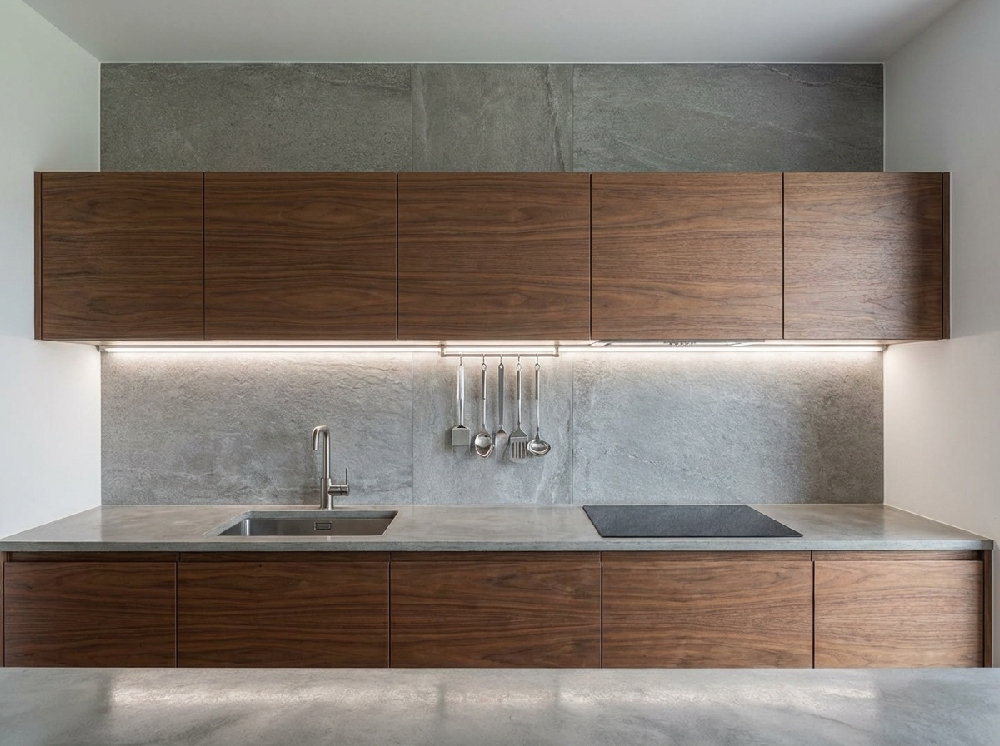
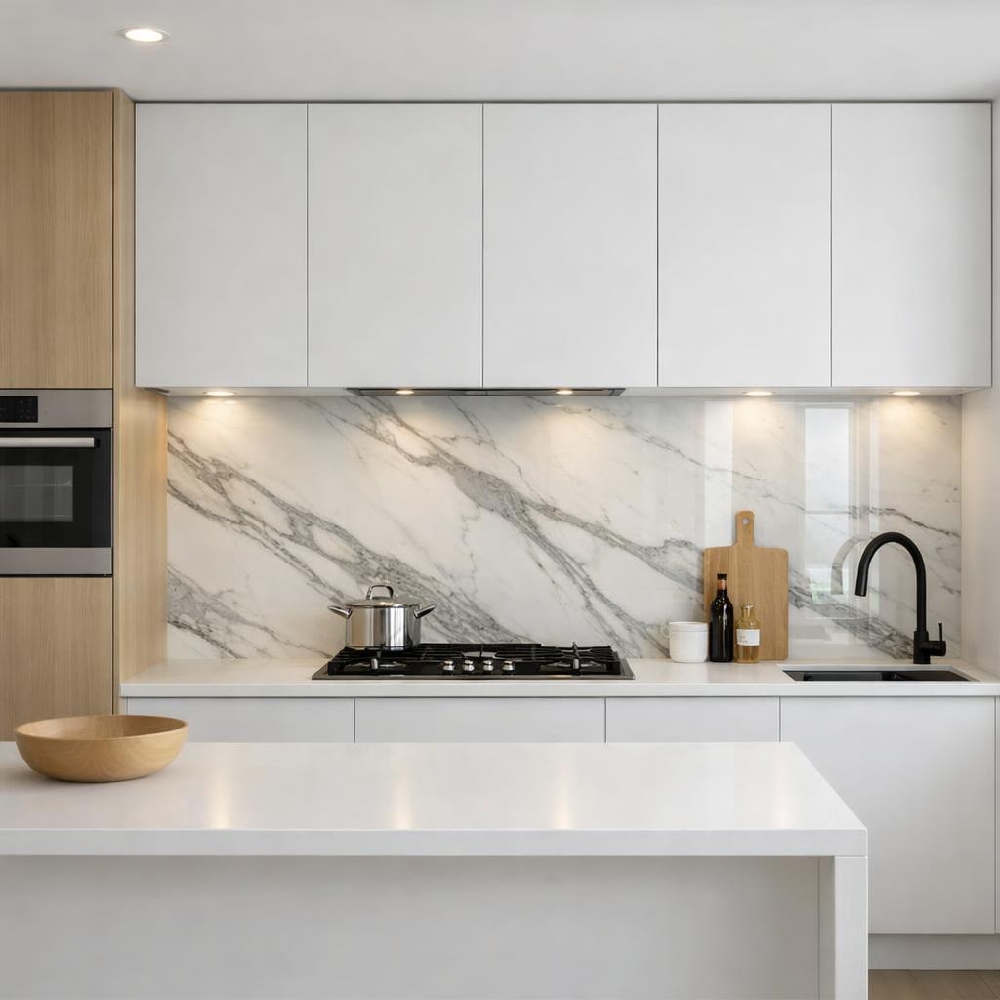
Kitchen design has evolved beyond standardized layouts into a space where precision, identity, and long-term usability converge. Homeowners no longer accept one-size-fits-all finishes; instead, they expect materials that align exactly with cabinetry, countertops, lighting, and overall spatial intent. This shift places customization at the center of splashback selection.
Precision Manufacturing Enables True Design Alignment
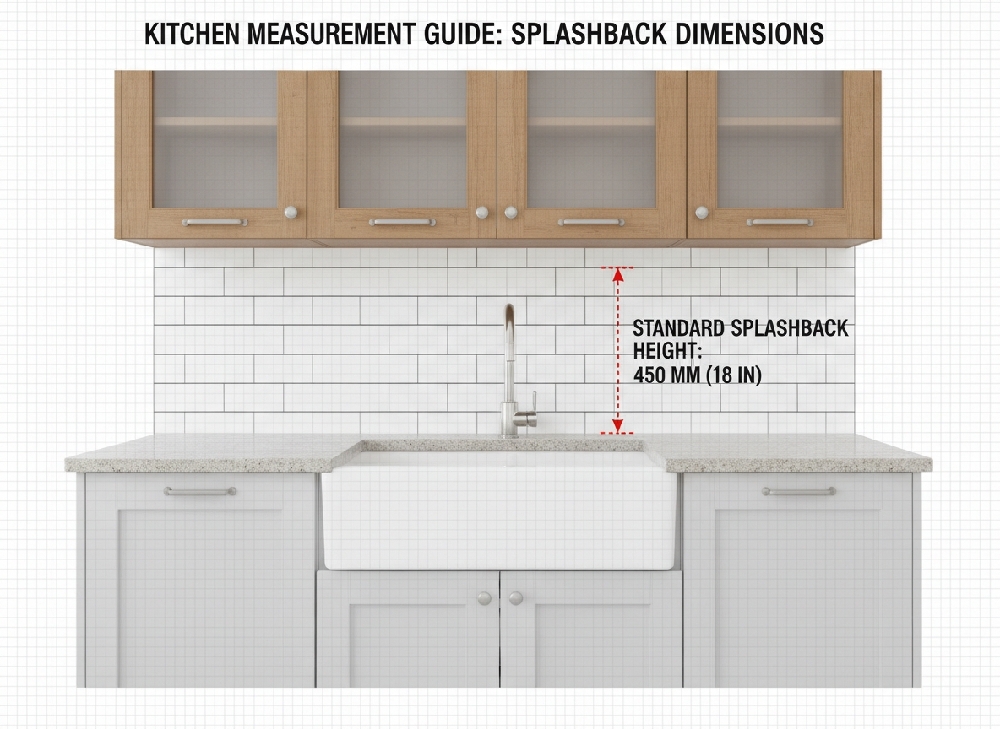
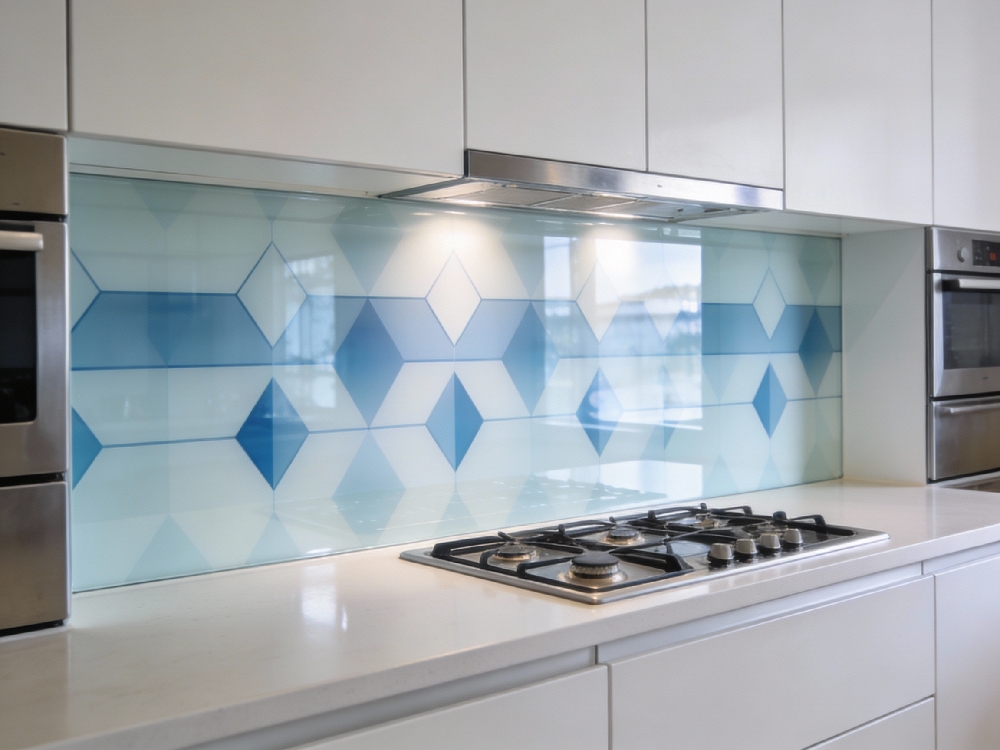
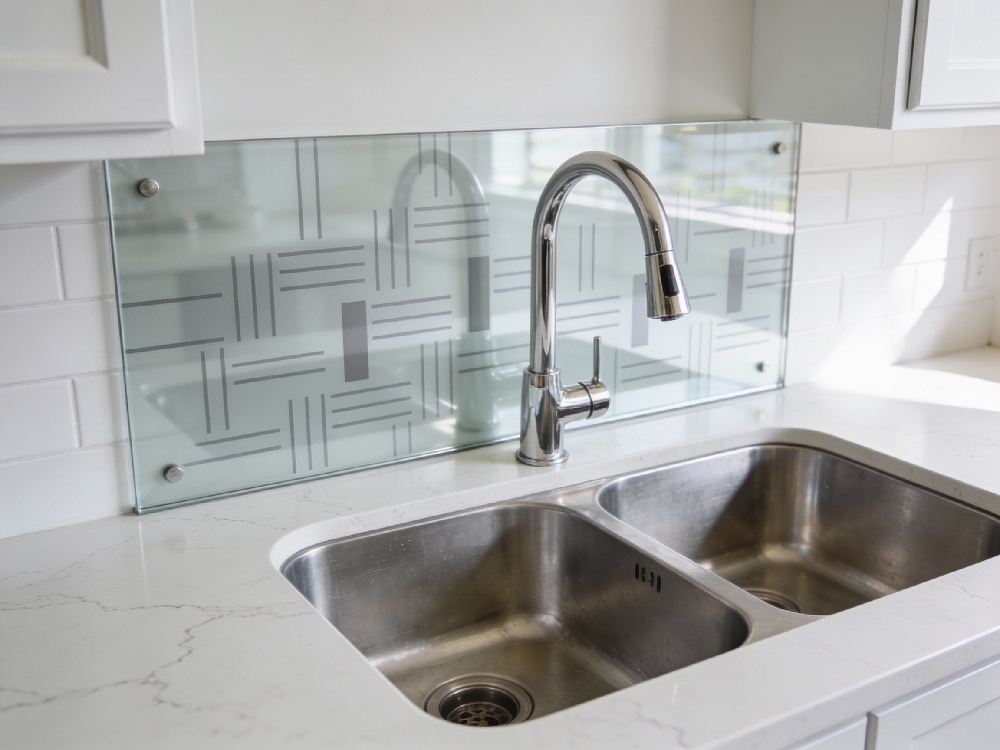
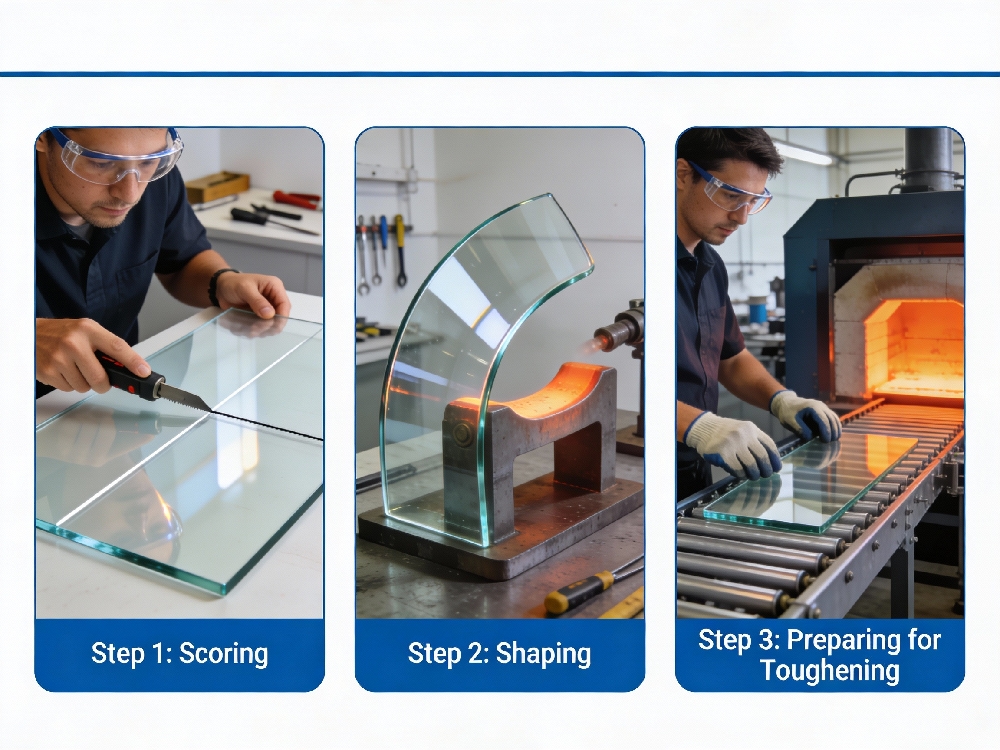
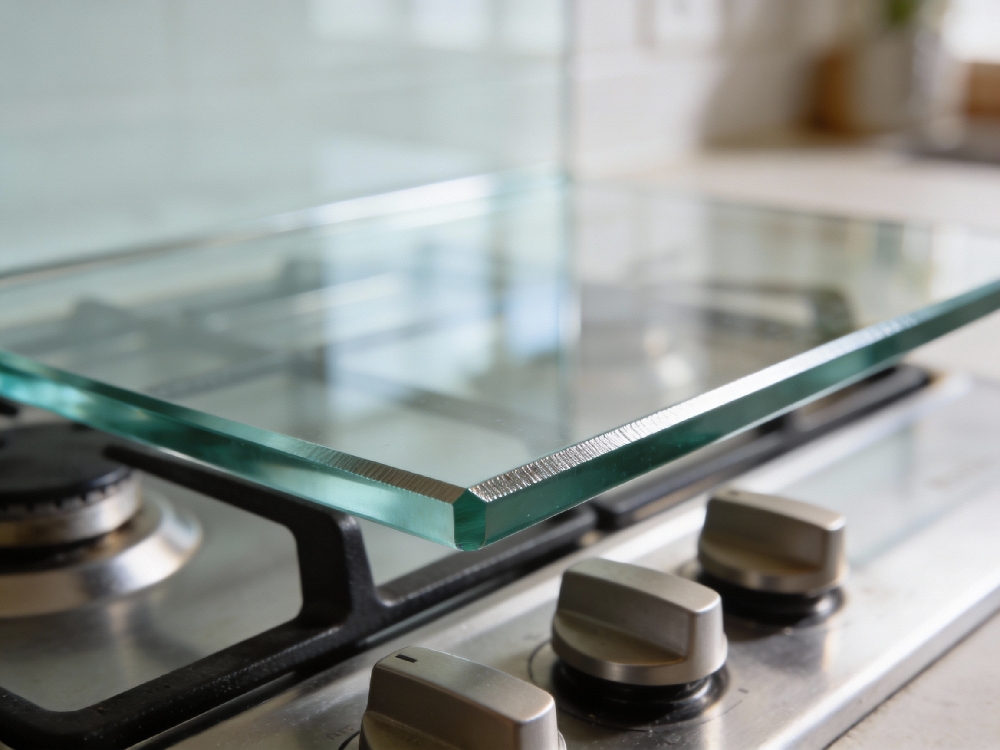
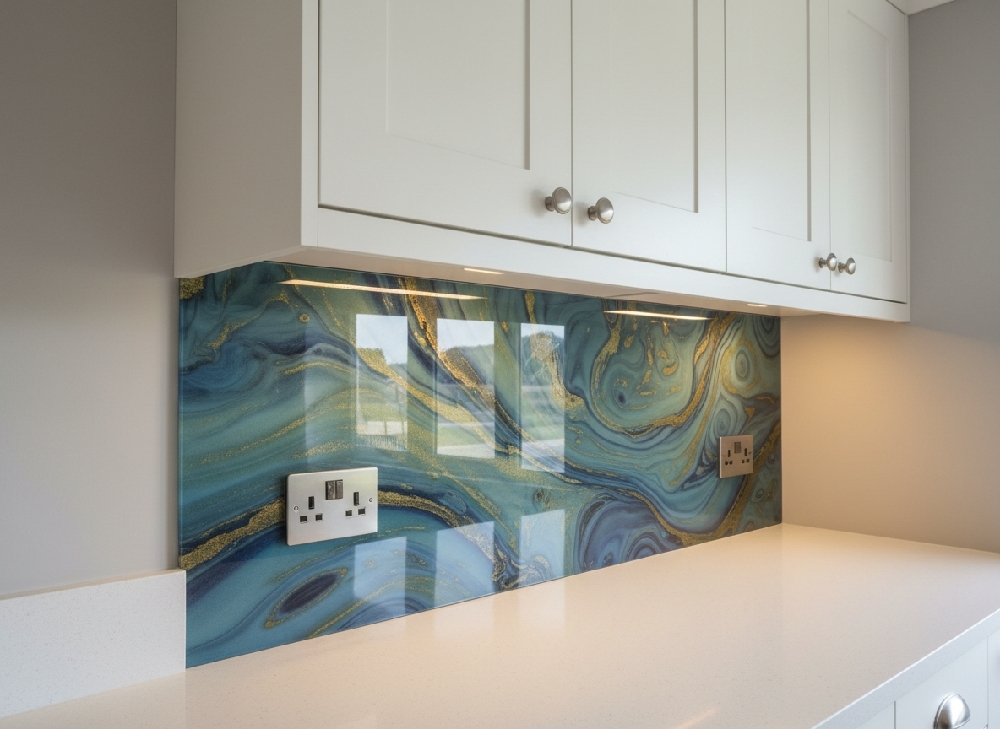
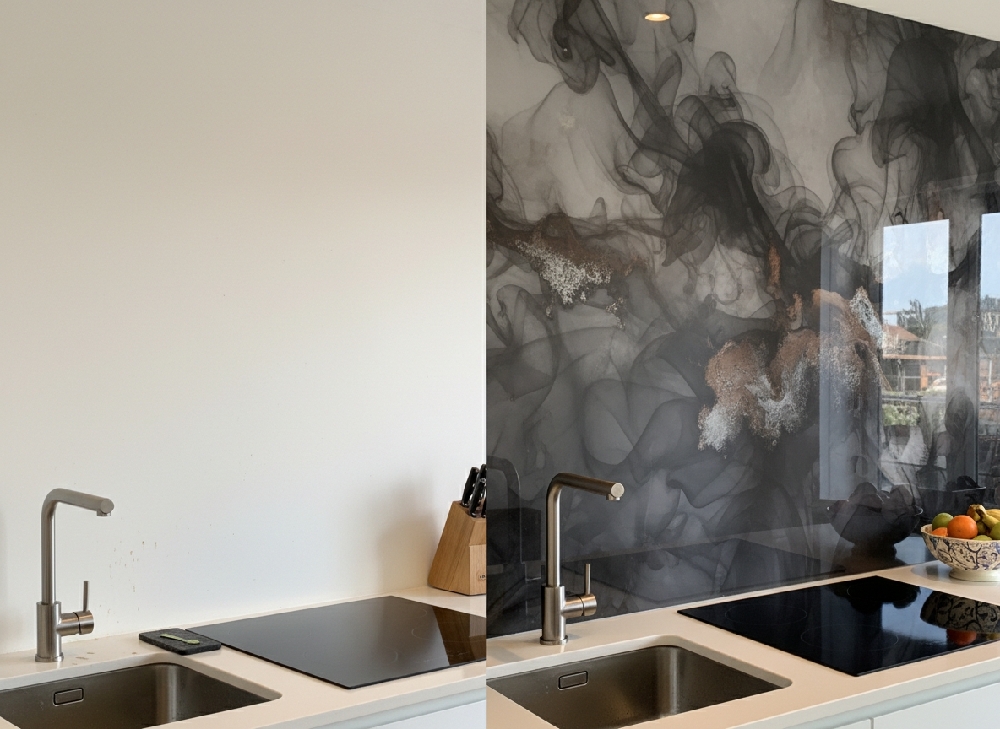
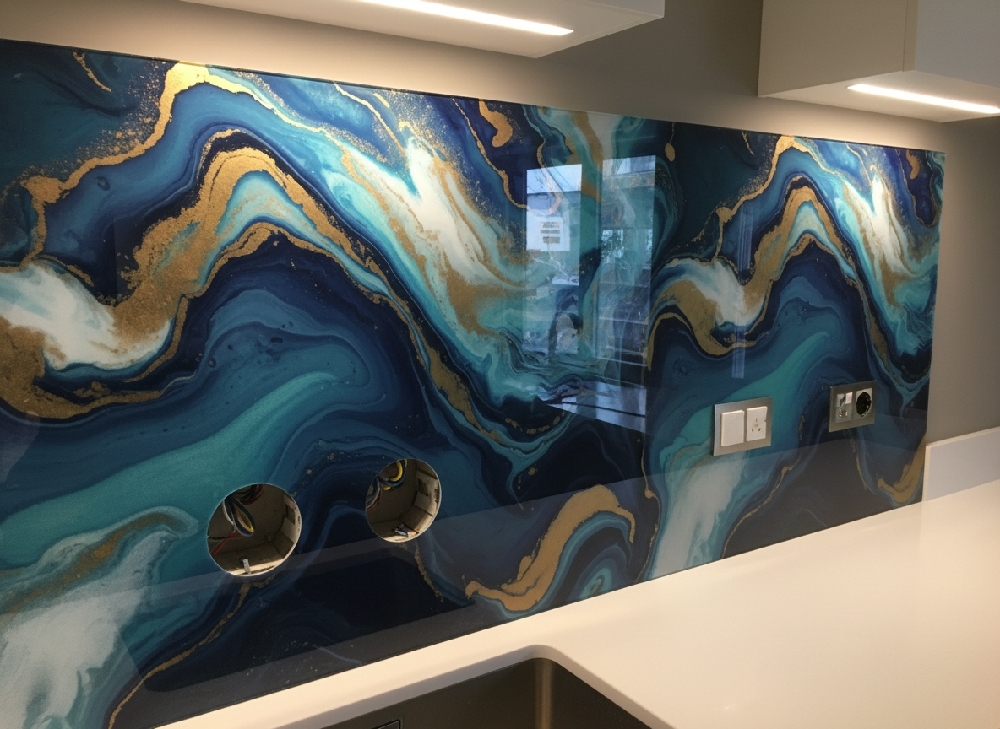
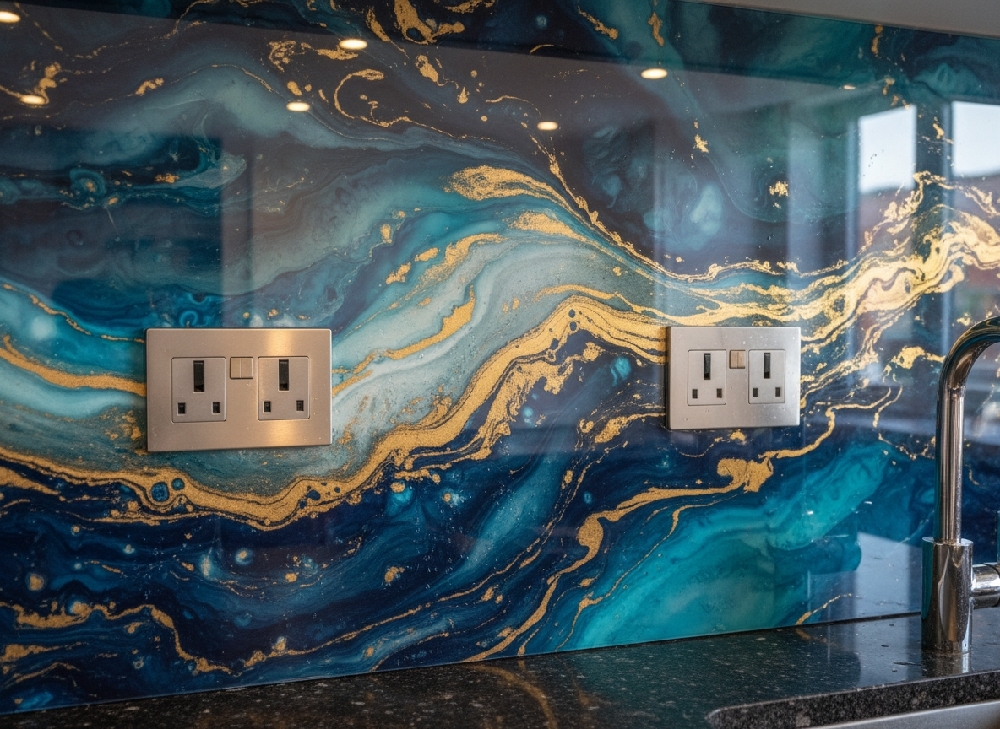
Advances in fabrication technology now allow splashbacks to be produced with exact measurements, seamless edge finishing, and accurate cut-outs for electrical outlets, switches, and architectural features. This level of precision eliminates visual gaps and ensures the final installation integrates naturally into the kitchen structure rather than appearing as an afterthought.
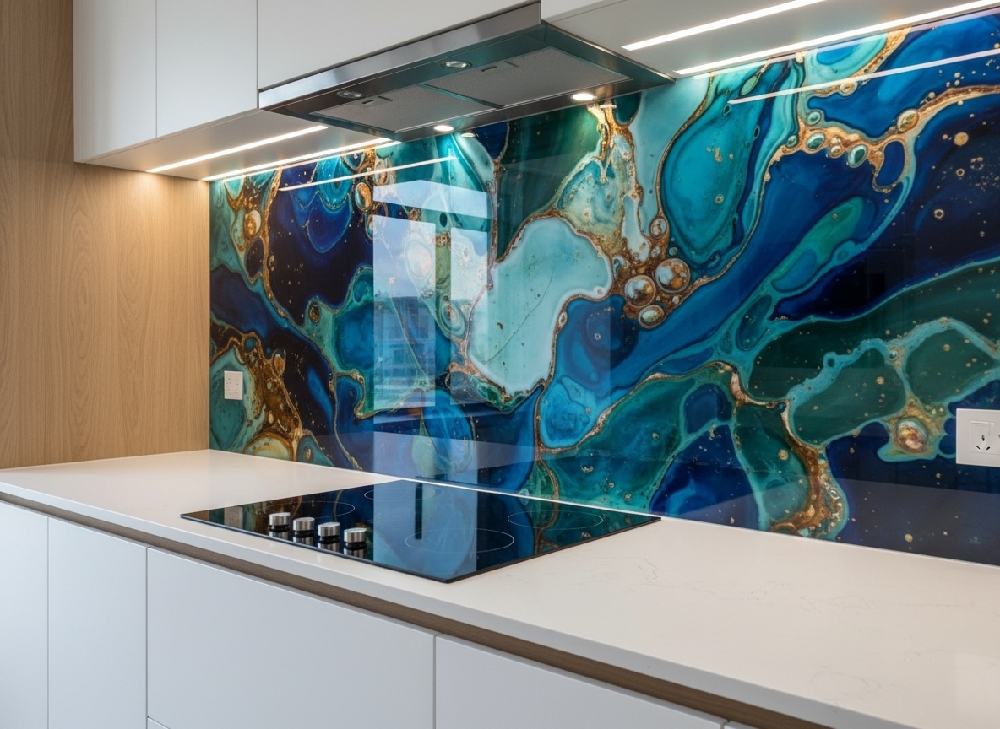
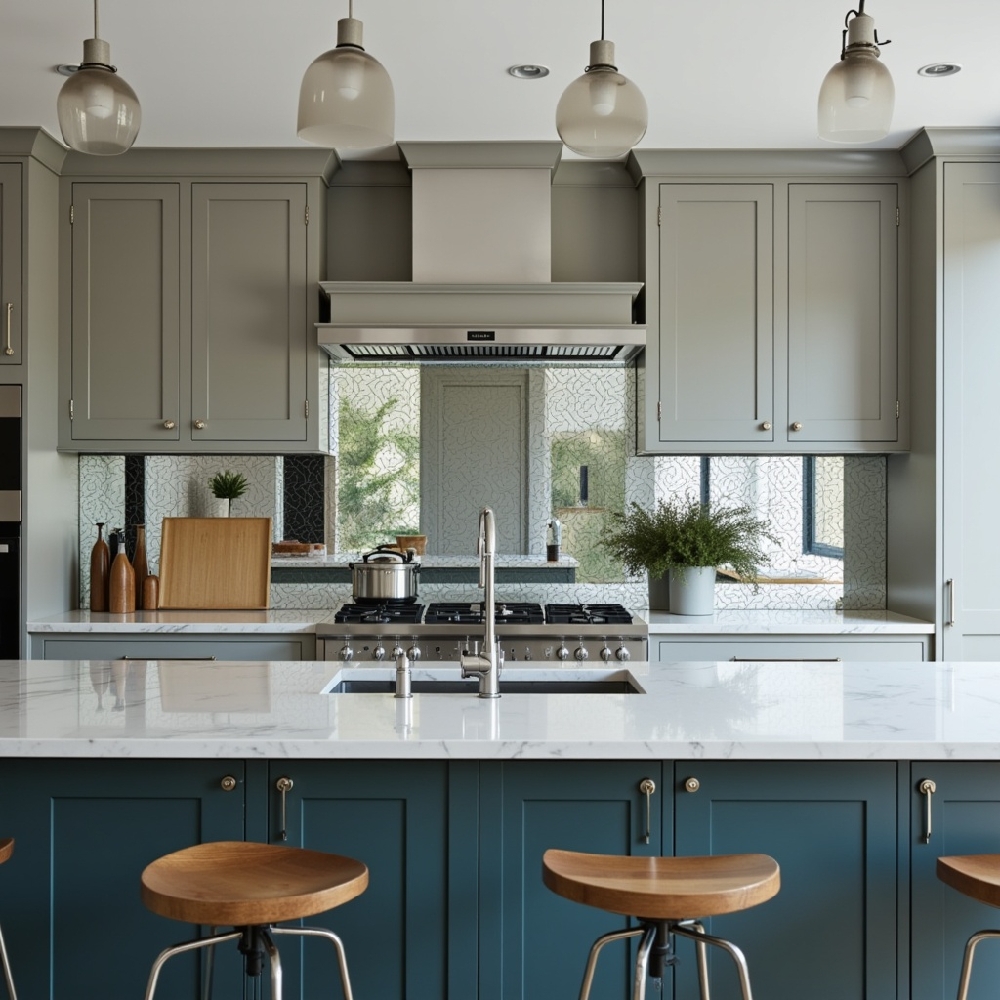
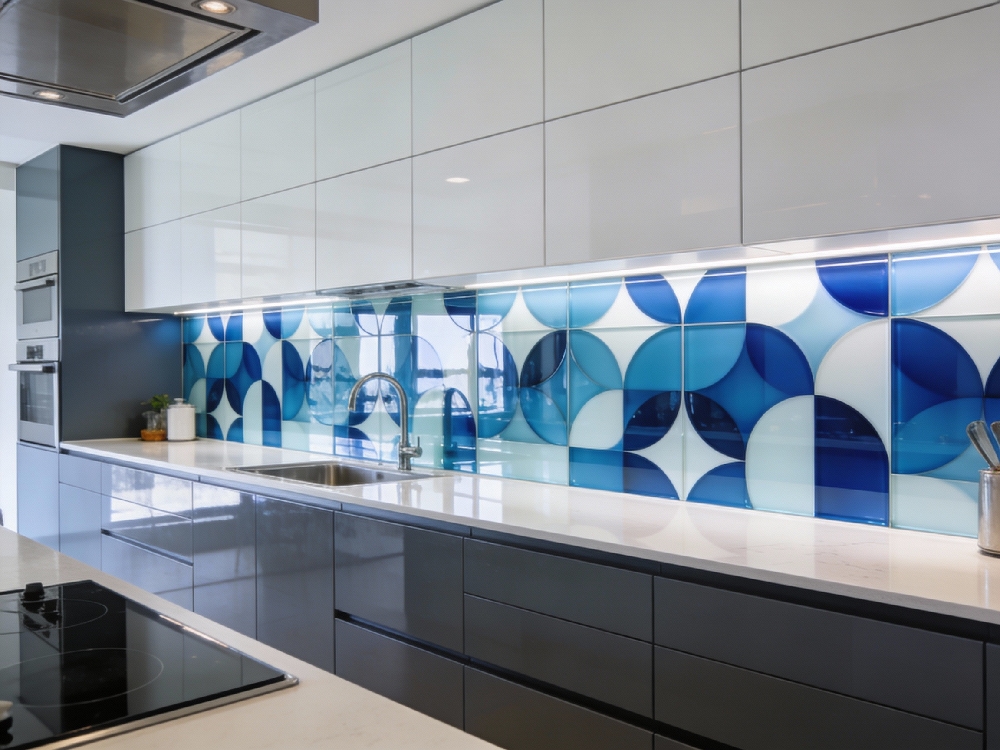
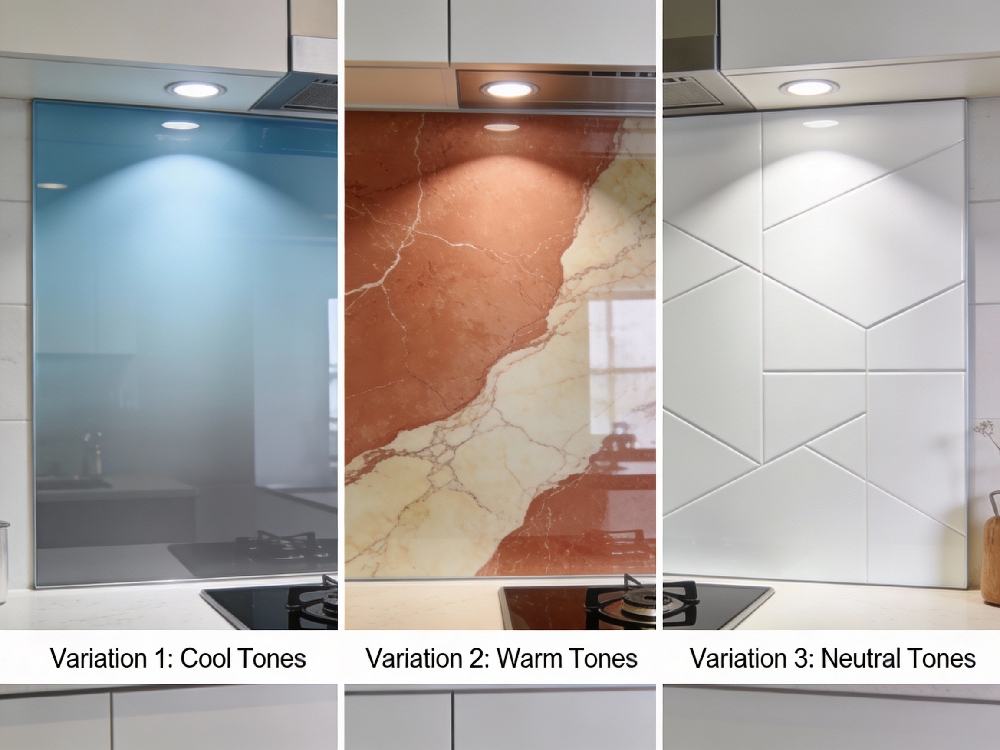
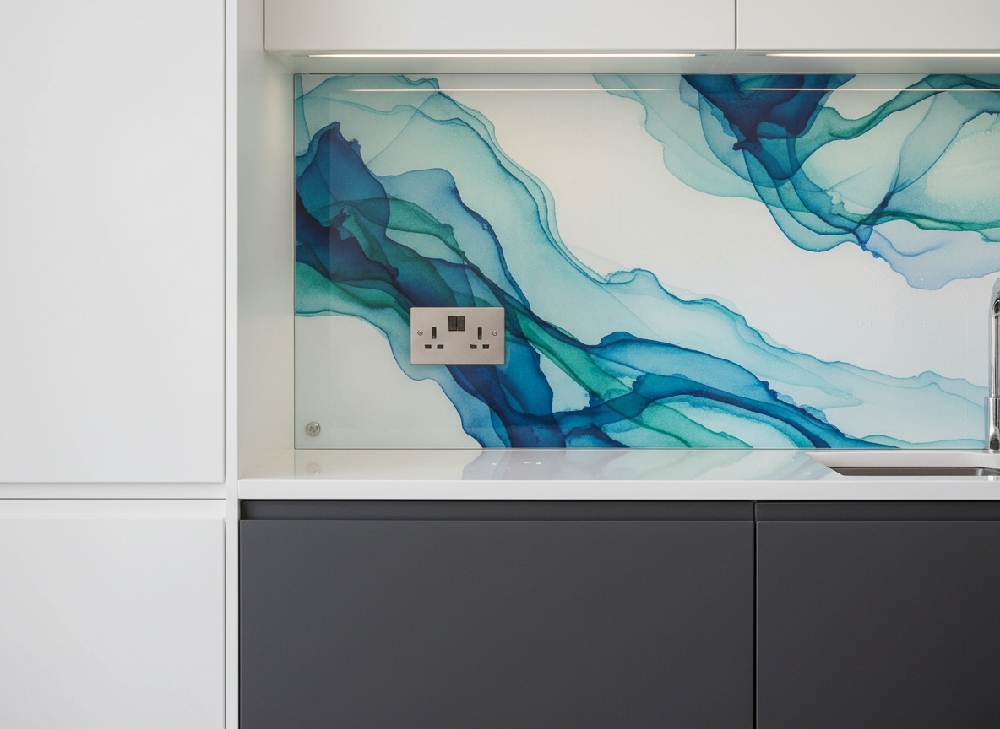
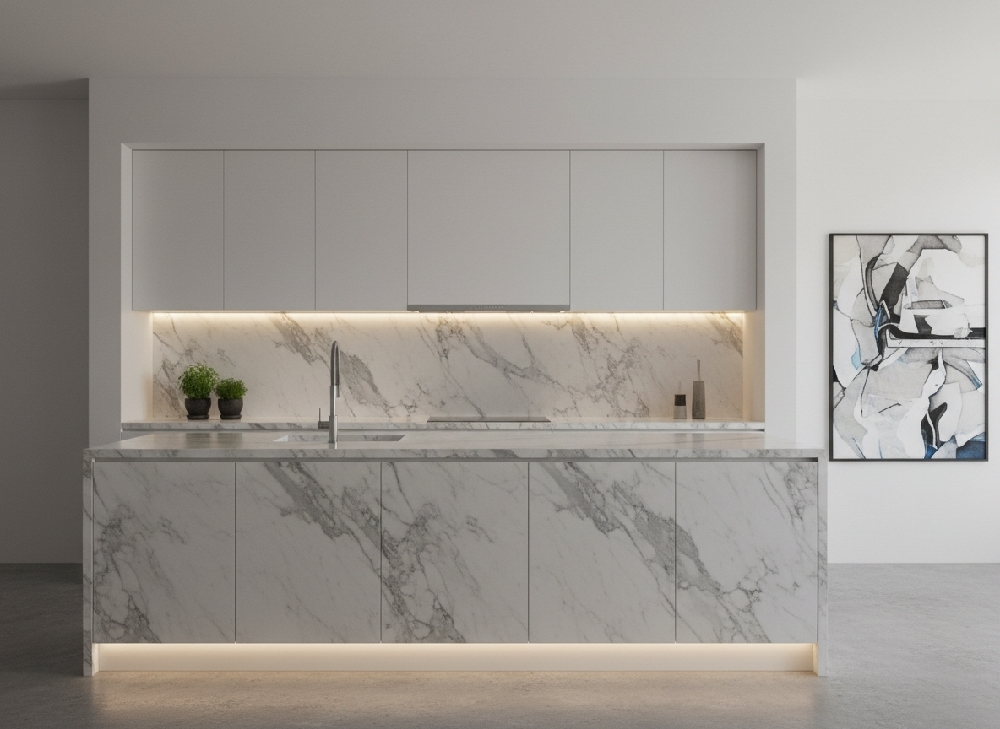
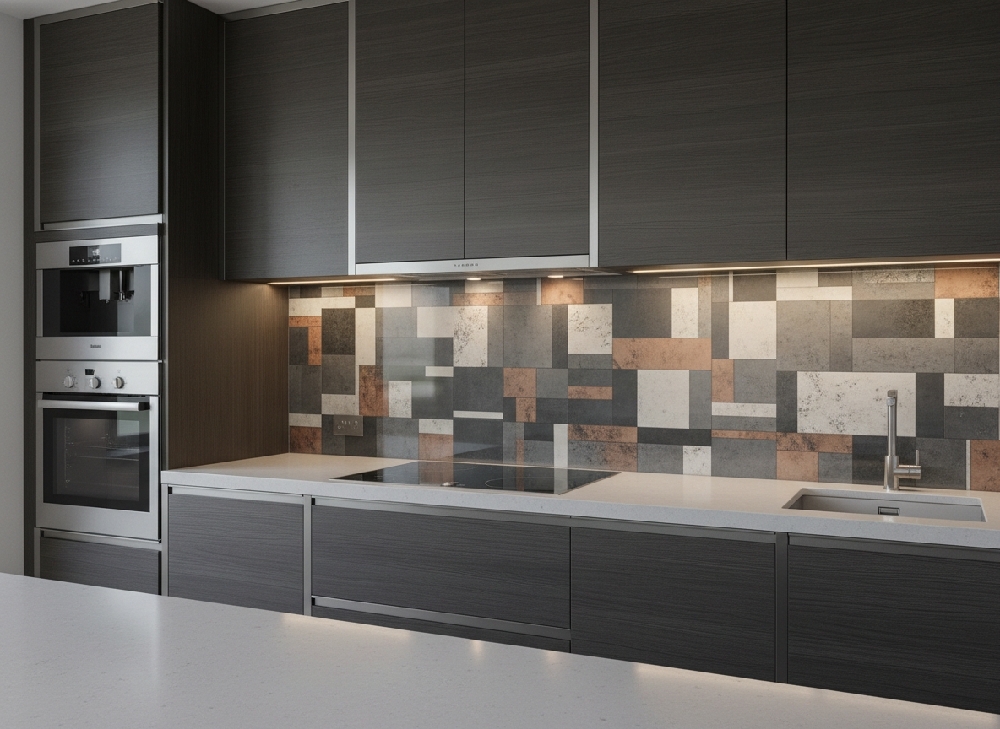
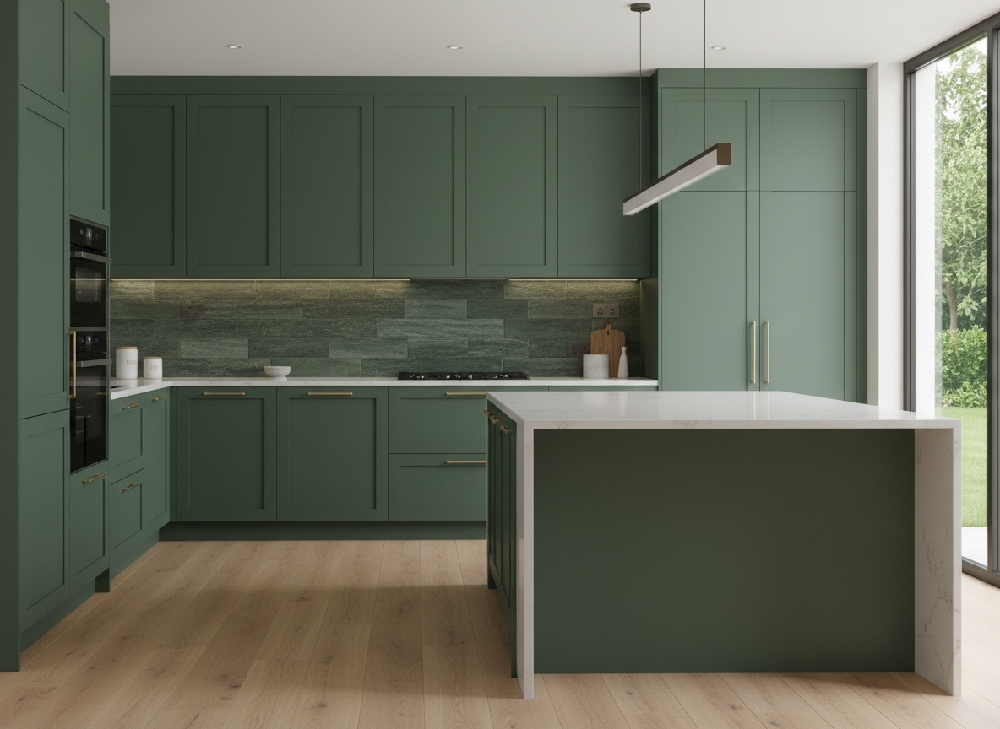
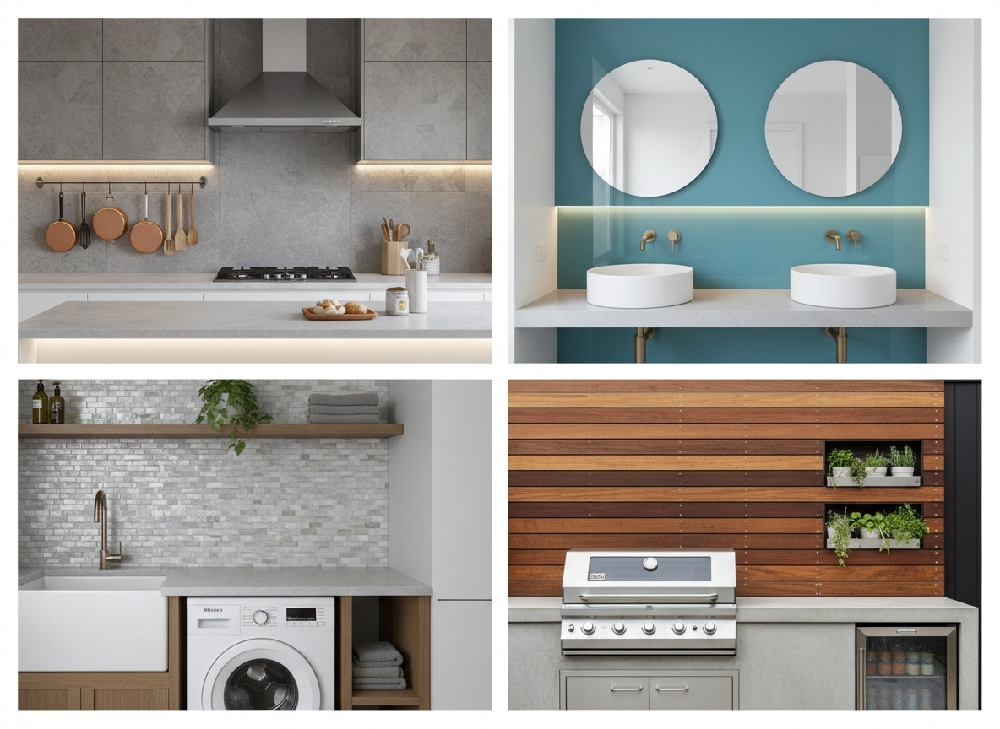
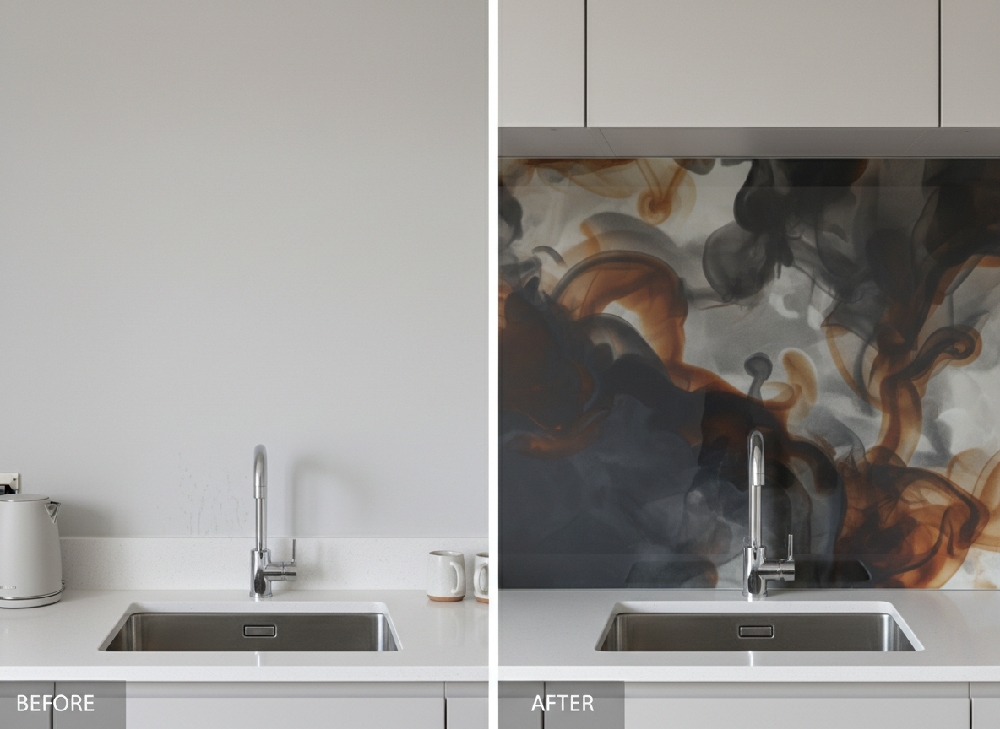
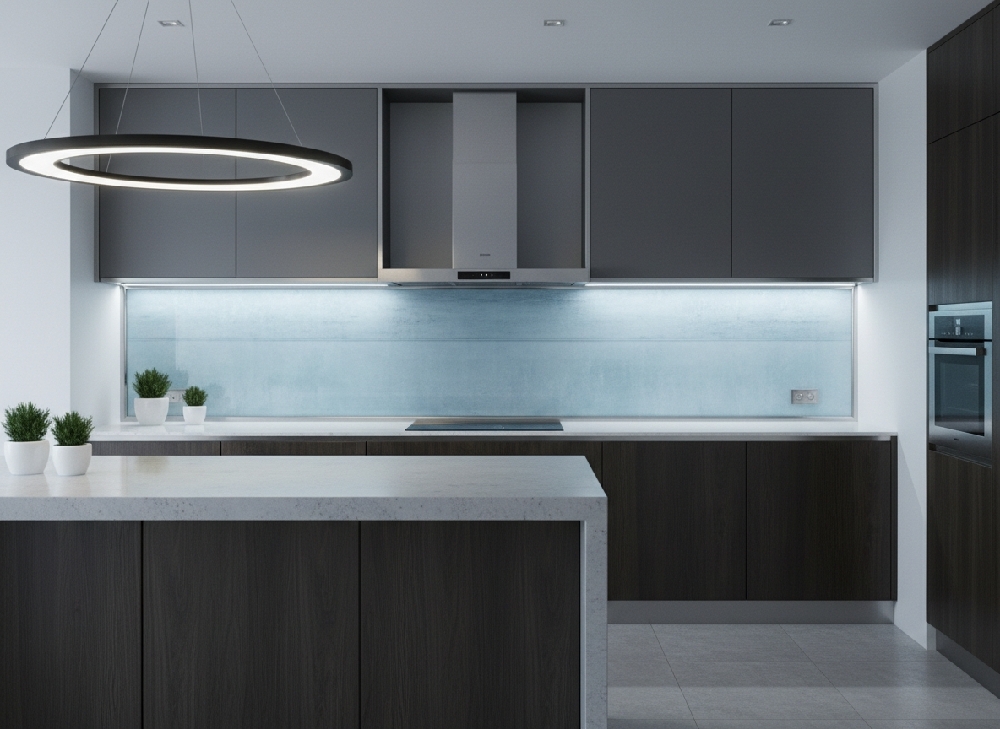
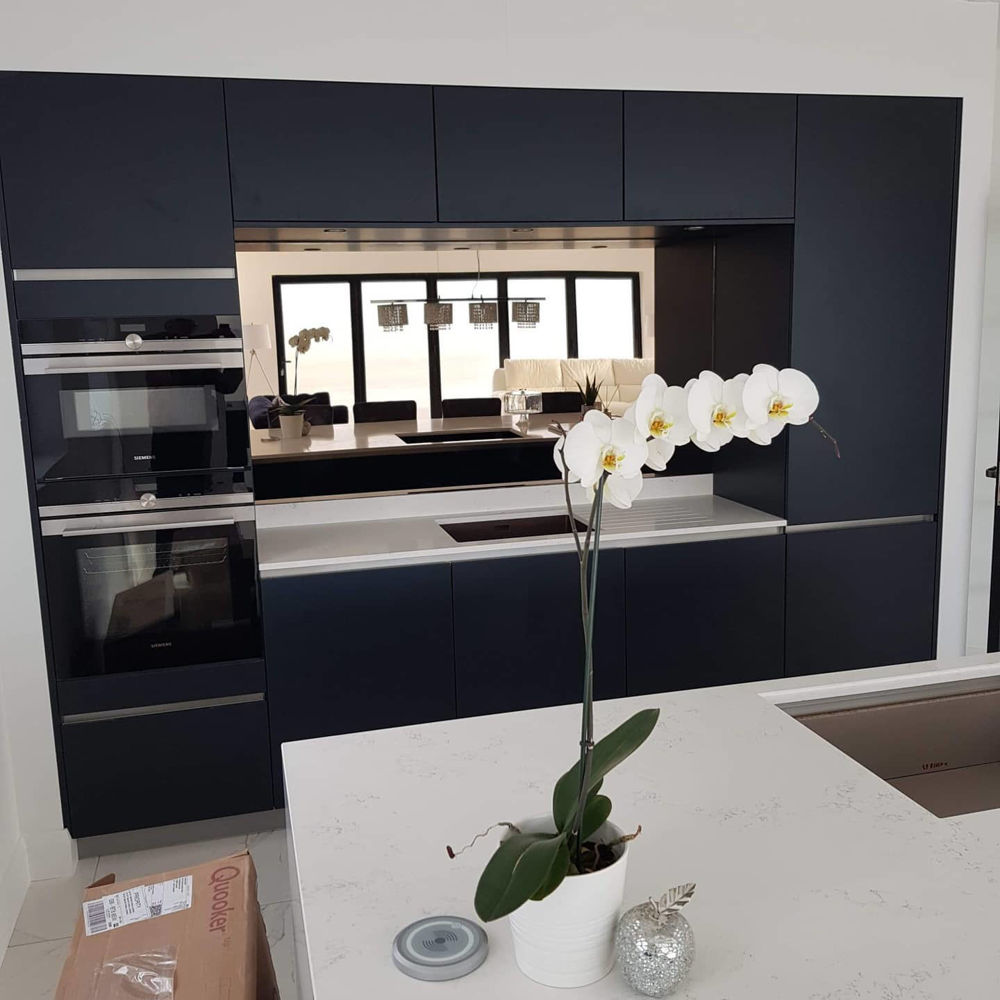
Color matching has also progressed significantly. Whether the goal is a neutral tone that supports timeless resale value or a bold statement surface that defines the room’s character, modern glass and acrylic splashbacks can be produced to meet specific visual targets.
Design Flexibility Without Compromising Performance
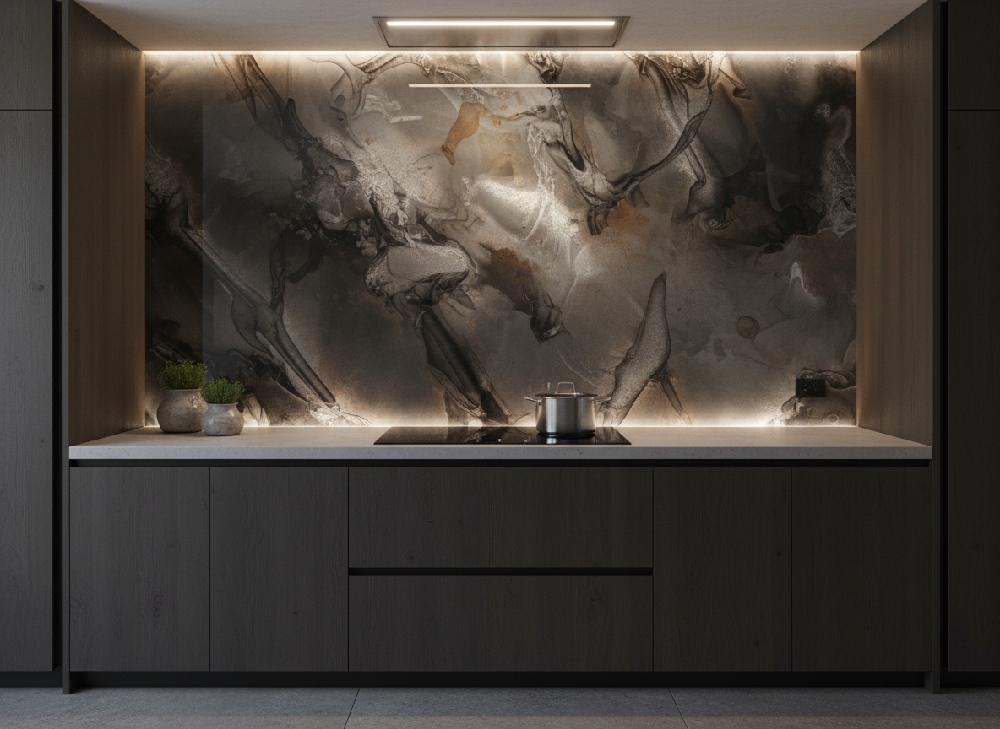
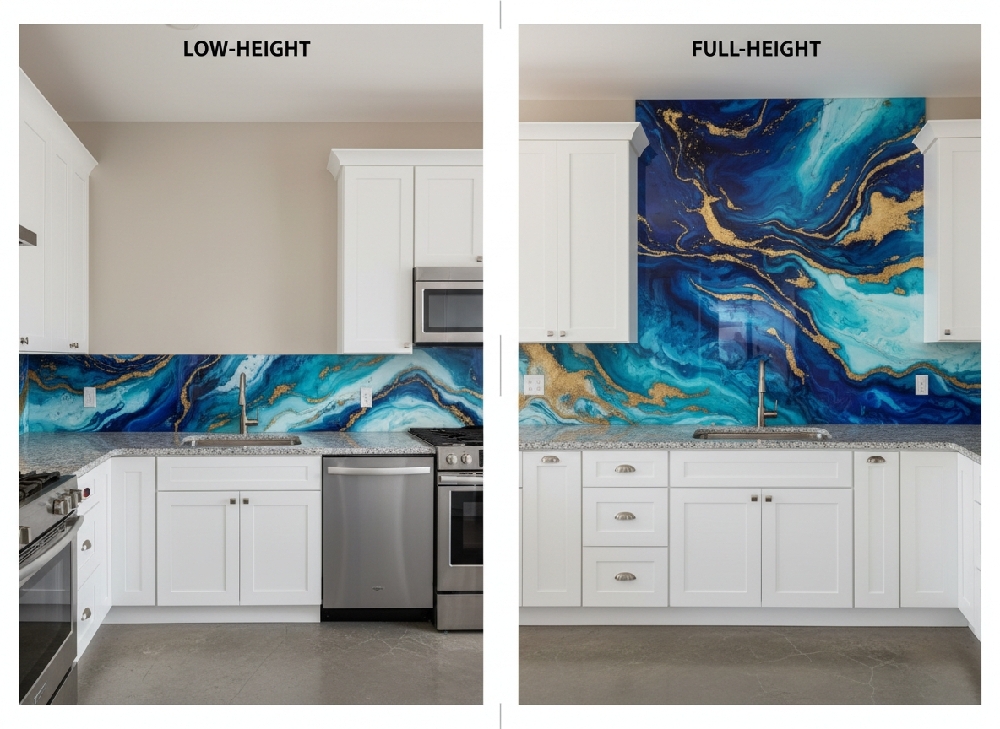
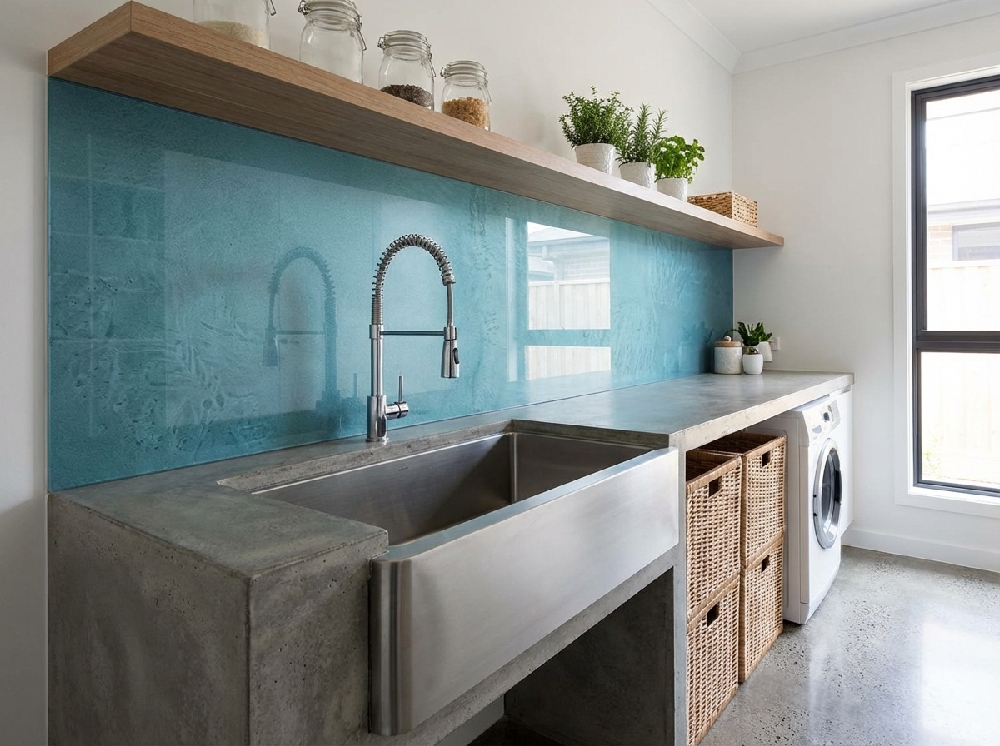
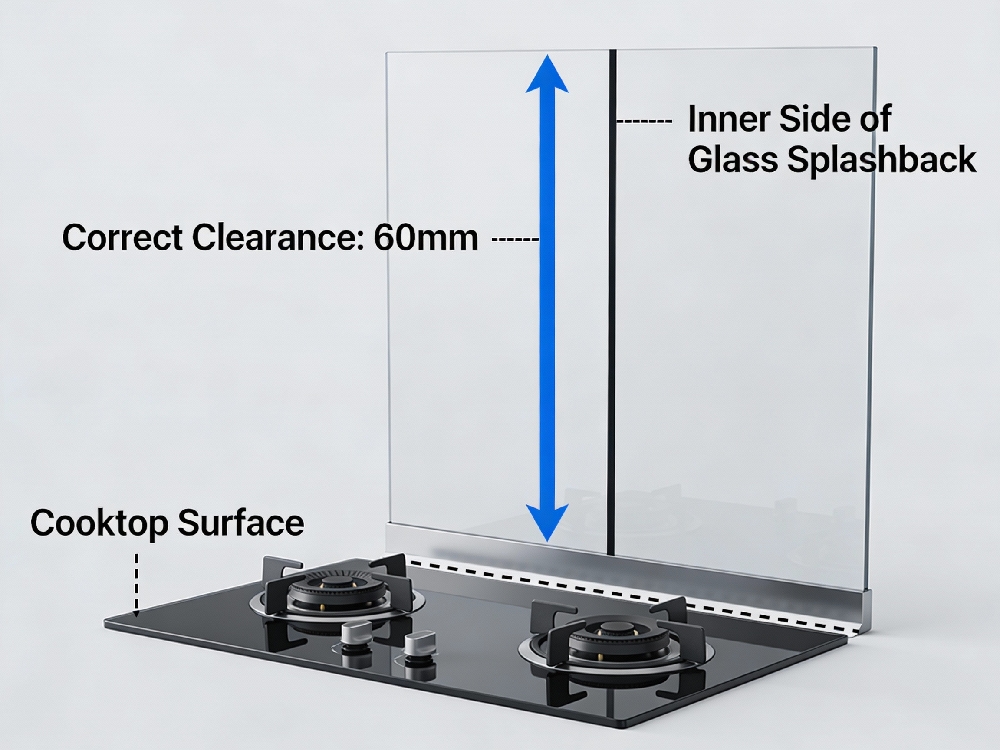
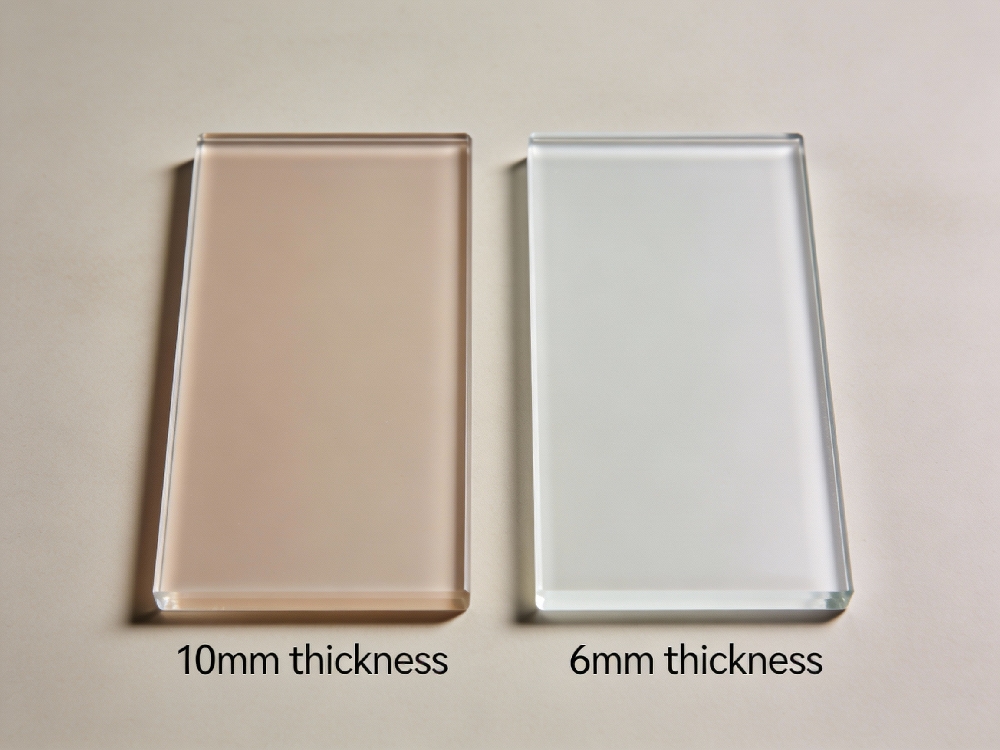
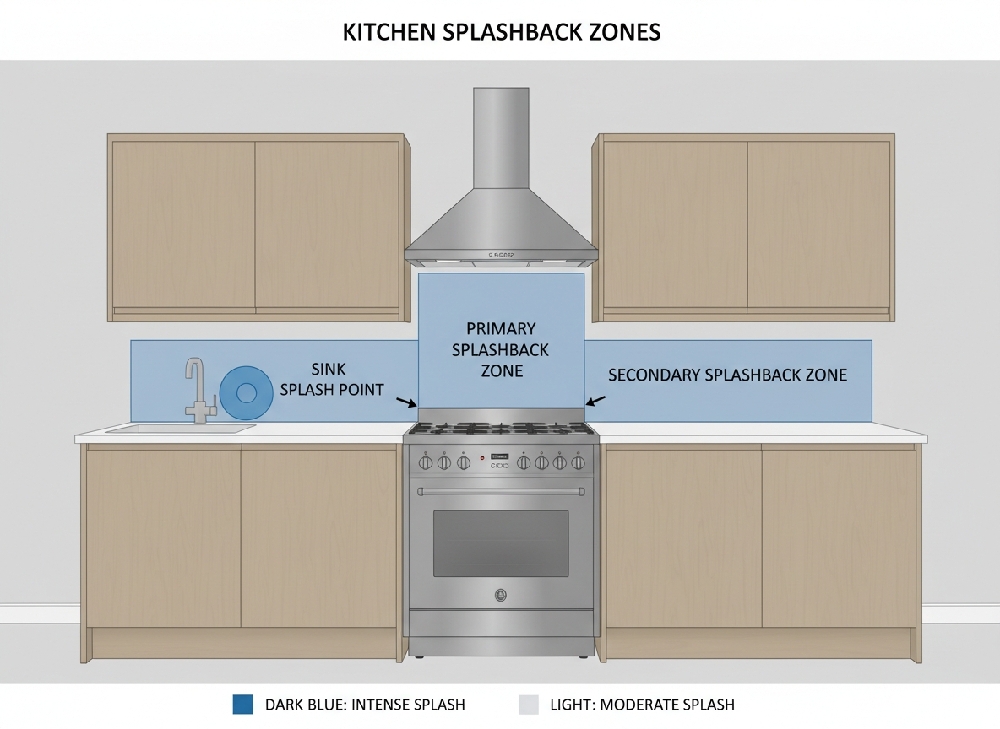
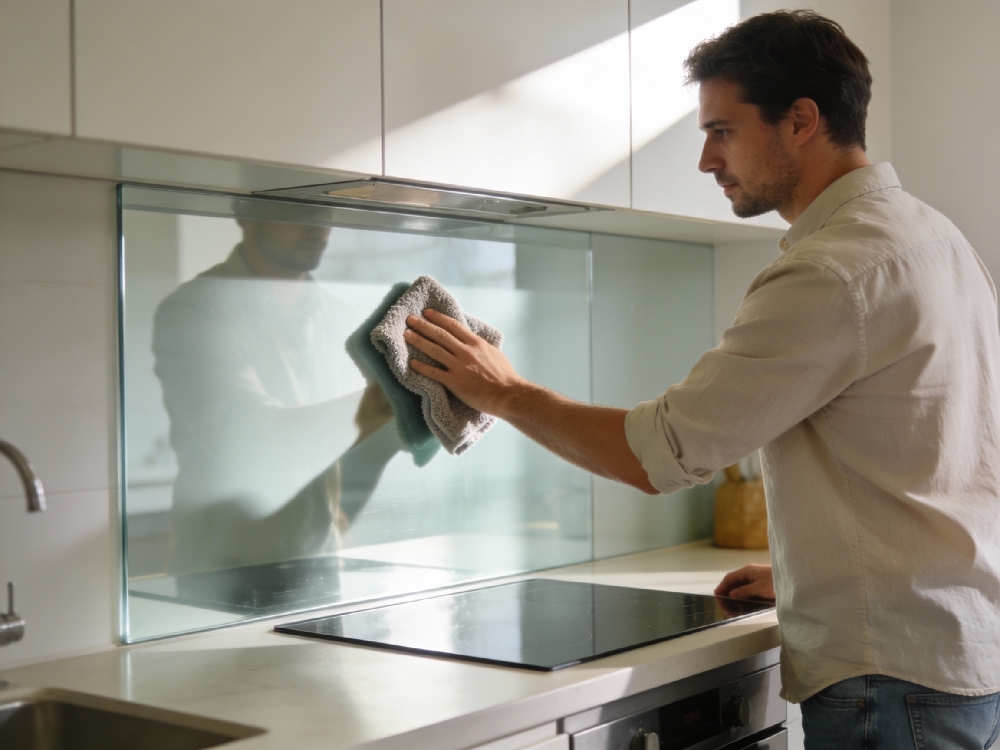
Customization is not limited to appearance. Material thickness, finish type (gloss, matte, or printed), and panel dimensions can all be specified to suit functional demands. This ensures the splashback performs effectively in high-heat cooking zones while still delivering the intended aesthetic outcome.
Homeowners exploring tailored solutions through DIY Splashbacks often prioritize this balance—achieving a refined, made-to-measure look without sacrificing durability or ease of maintenance.
Long-Term Value of Going Custom
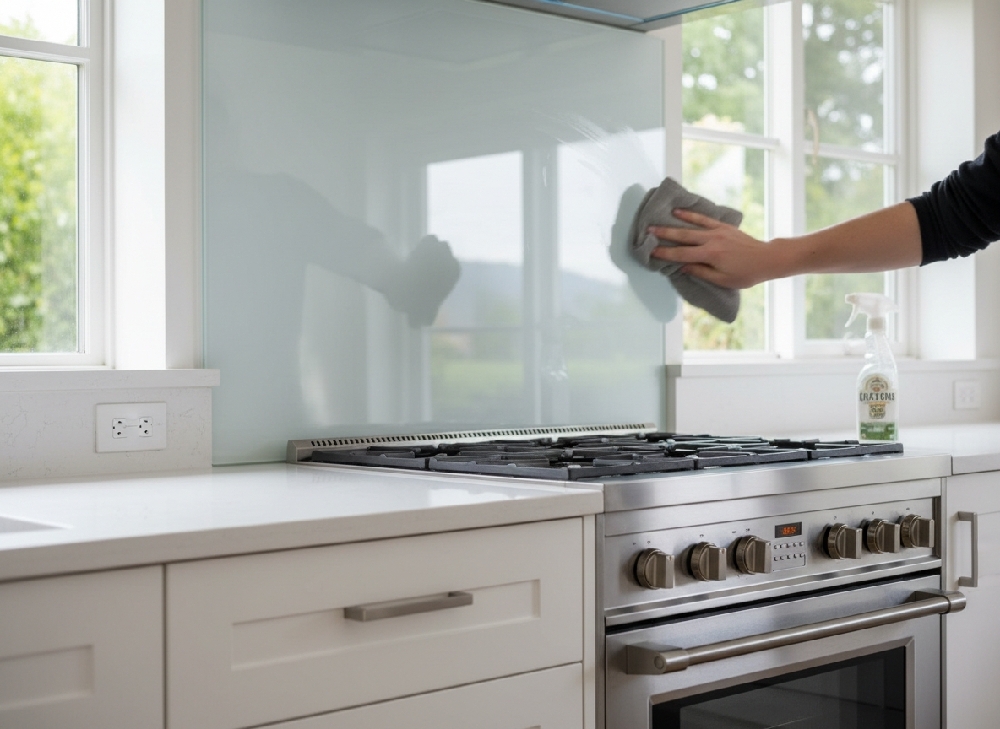
While customized splashbacks may involve a higher upfront investment than standard panels or basic tiles, the long-term return is typically stronger. Precise fit reduces installation errors, simplifies cleaning, and preserves visual quality over time. More importantly, a cohesive kitchen design enhances perceived property value and supports future resale positioning.
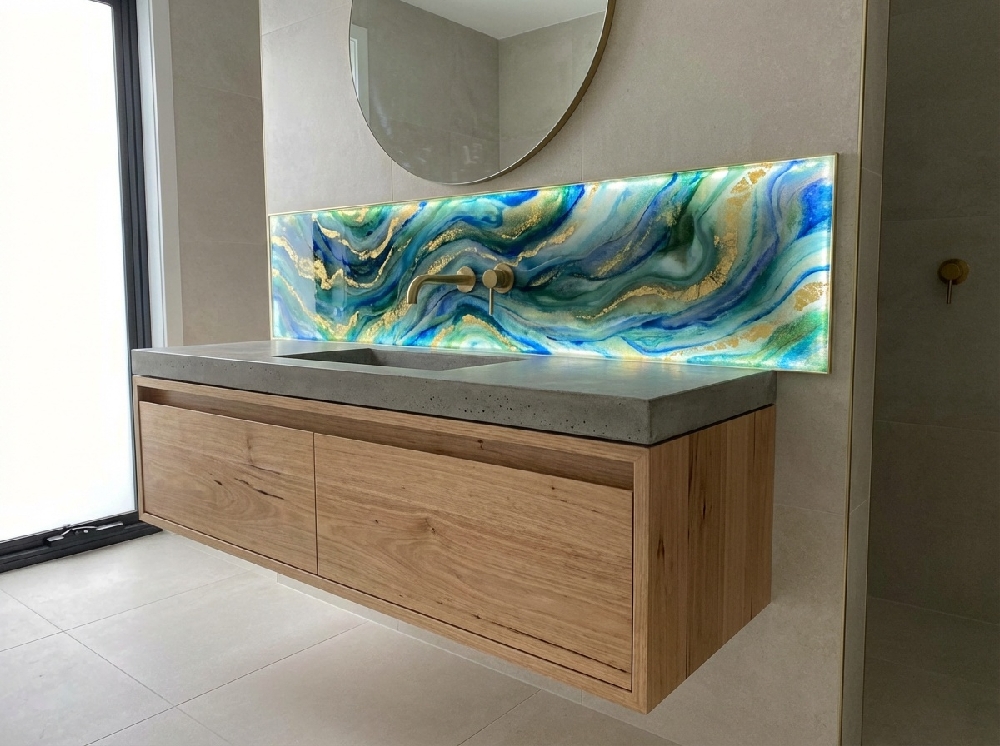
In practical terms, customization transforms a splashback from a simple protective surface into a defining architectural feature—one that aligns tradition, craftsmanship, and modern performance within a single installation.
Final Perspective
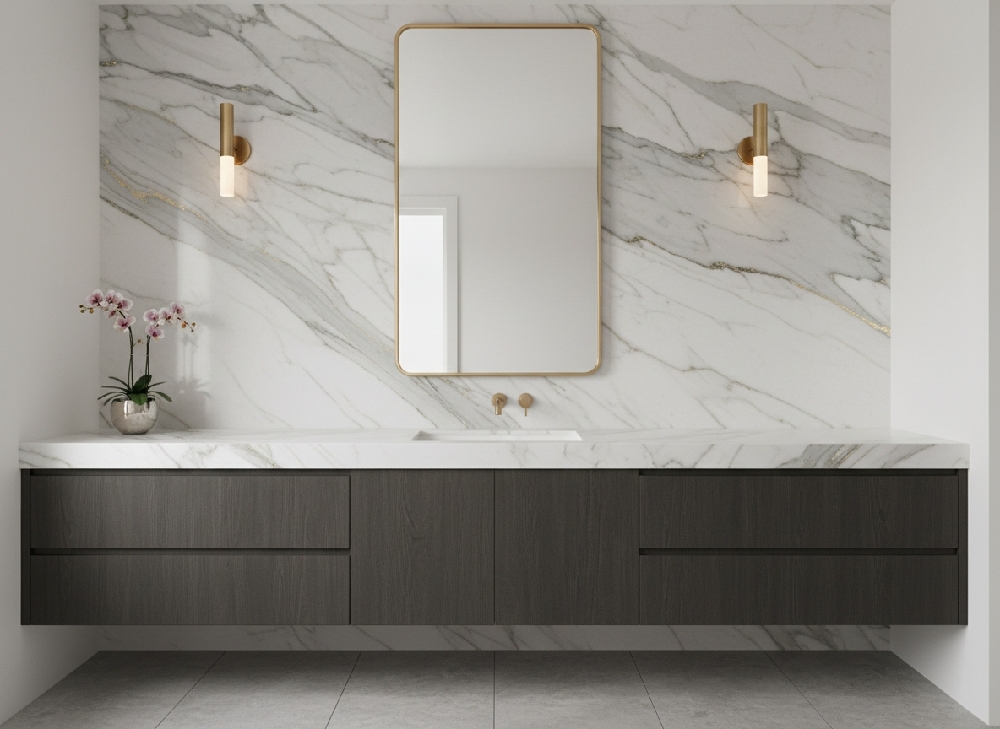
Yes, splashbacks can be fully customized to match virtually any kitchen design. More importantly, customization delivers measurable benefits: cleaner integration, stronger durability, and a more sophisticated visual result. For homeowners focused on lasting quality rather than short-term convenience, tailored fabrication represents the most strategically sound approach.
.jpg)
.jpg)