
What Mistakes Should You Avoid When Choosing a Splashback?
Choosing a splashback may seem straightforward, but small mistakes at the decision stage often lead to long-term frustration, unnecessary costs, and avoidable damage. Understanding the most common pitfalls helps ensure your splashback performs properly and looks right for years to come.
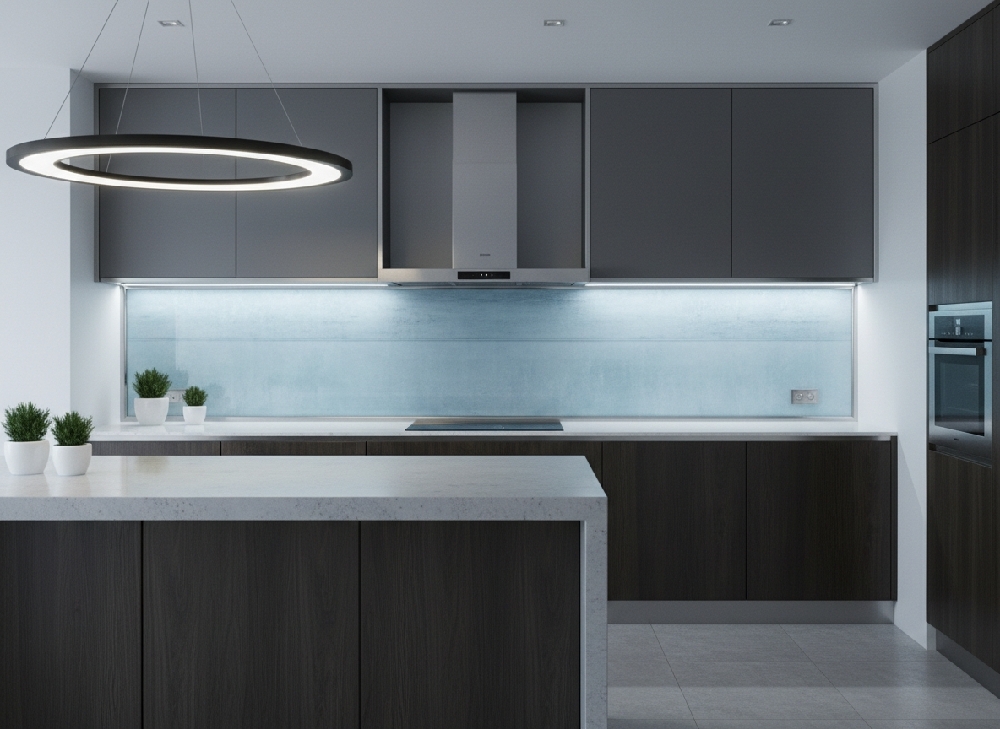
Mistake 1: Choosing Style Over Function
One of the most common errors is prioritizing appearance while overlooking performance. A splashback must withstand heat, moisture, and frequent cleaning—especially in kitchens and bathrooms.
Materials that look good but lack durability often stain, warp, or deteriorate over time. Traditionally, function has always come first in well-designed spaces, and that principle still applies.
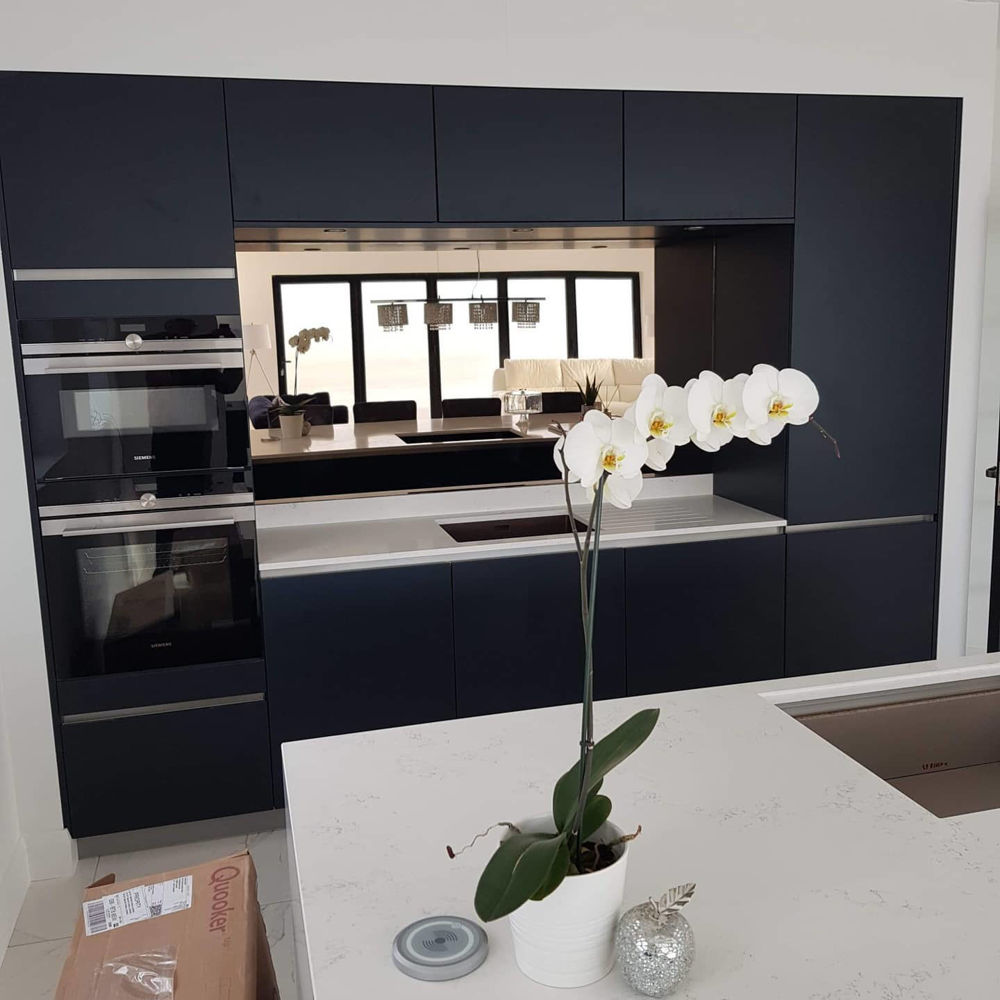
Mistake 2: Getting the Height Wrong
Installing a splashback that’s too low leaves walls exposed, while overextending it without purpose can disrupt visual balance. The height should be driven by how the space is used, not guesswork.
Behind cooktops and sinks, insufficient coverage is a frequent cause of wall damage. Made-to-measure options from DIY Splashbacks help eliminate this issue by fitting the splashback precisely where protection is needed.
.jpg)
Mistake 3: Ignoring Heat Resistance Requirements
Not all splashbacks are suitable for high-heat areas. Installing non-heat-resistant materials behind a hob or cooktop is a costly mistake that may require early replacement.
Glass splashbacks designed for kitchen use are manufactured to handle temperature exposure safely, provided they are correctly specified and installed.
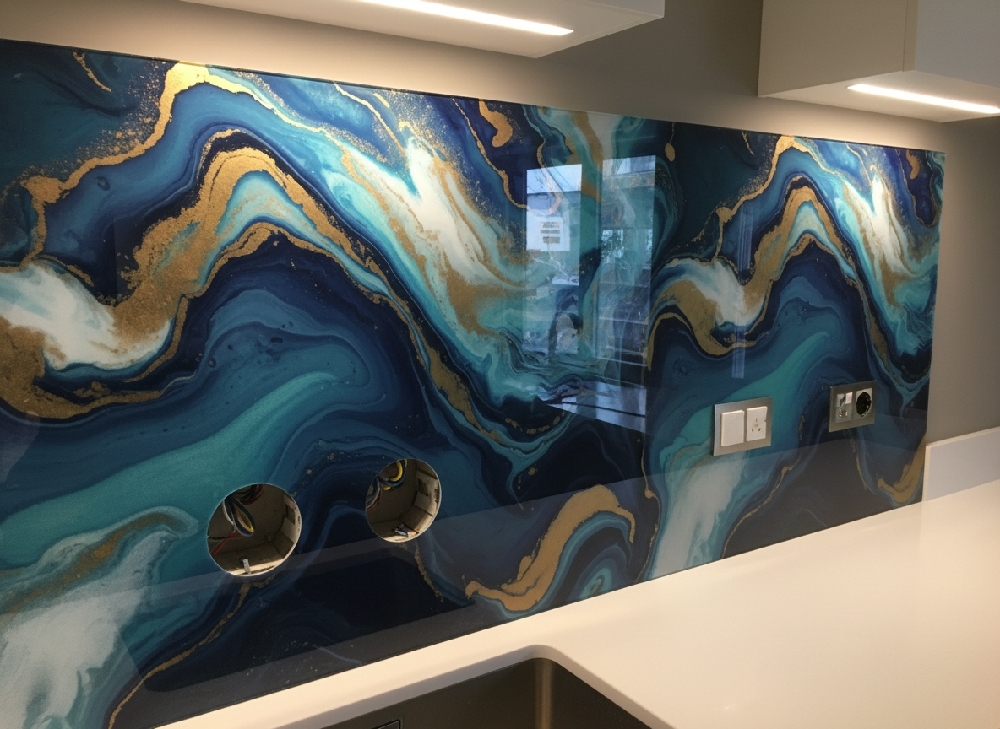
Mistake 4: Poor Measurements and Cutouts
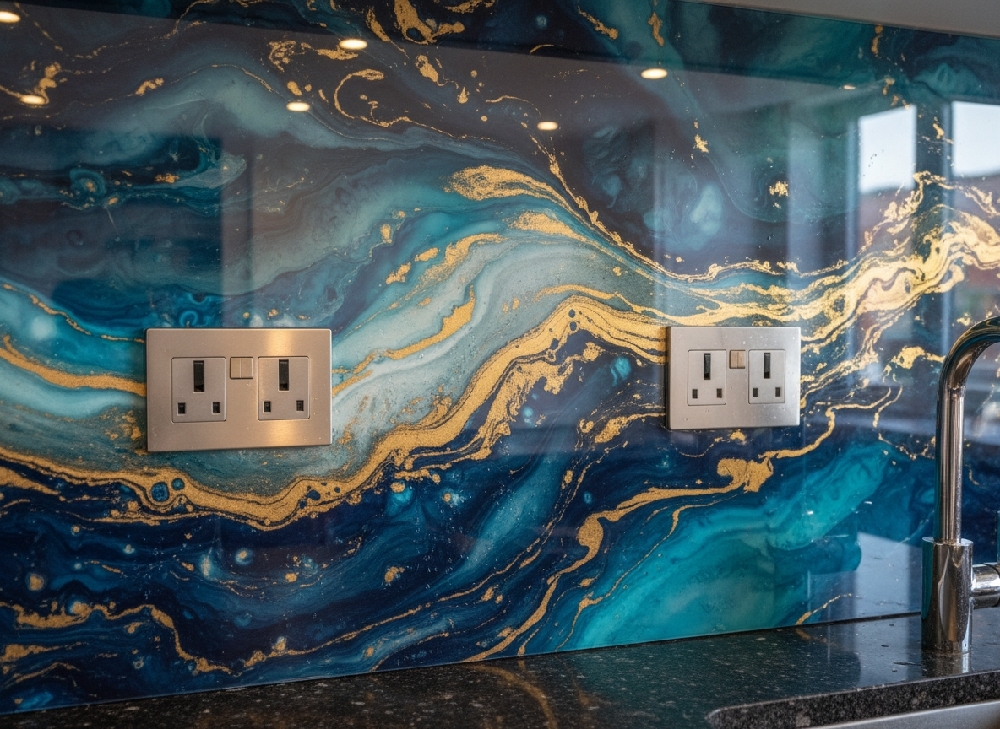
Incorrect measurements lead to gaps, misalignment, or poorly finished edges—particularly around sockets, switches, and appliances.
This is where custom manufacturing becomes critical. Accurate cutouts and exact sizing ensure a clean, professional finish that aligns with both traditional workmanship standards and modern expectations.
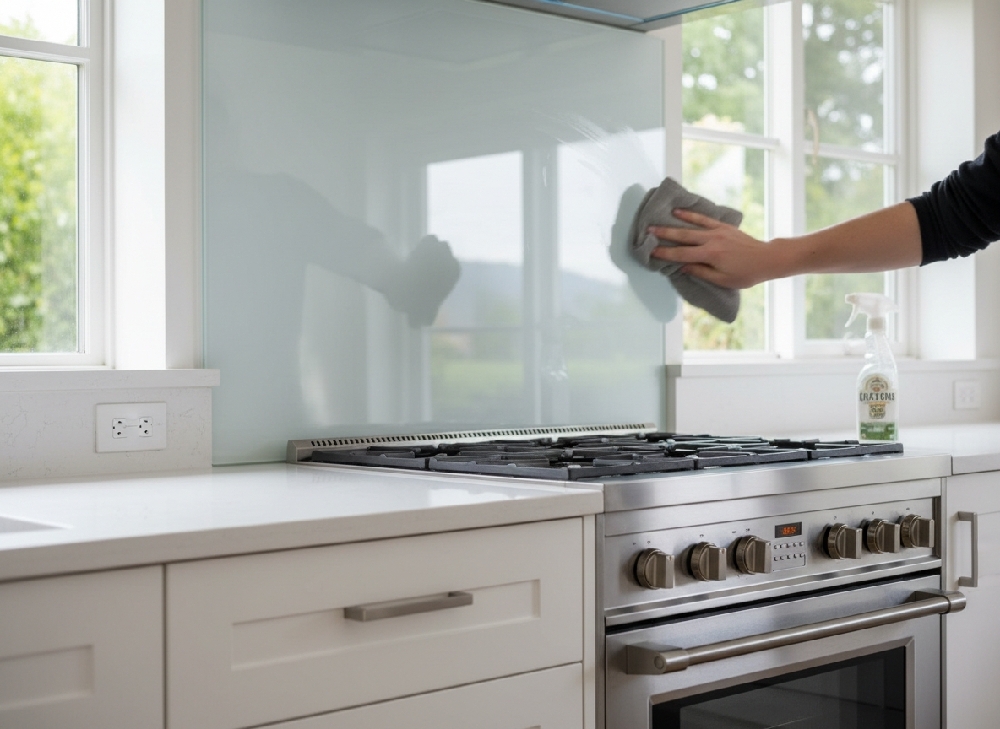
Mistake 5: Overlooking Ease of Maintenance
Splashbacks are exposed to grease, water, and cleaning products daily. Choosing a material that’s difficult to clean or prone to marking increases maintenance effort over time.
Smooth, non-porous surfaces—such as glass—offer faster cleaning and better hygiene compared to grout-heavy alternatives.
Mistake 6: Not Considering the Overall Design
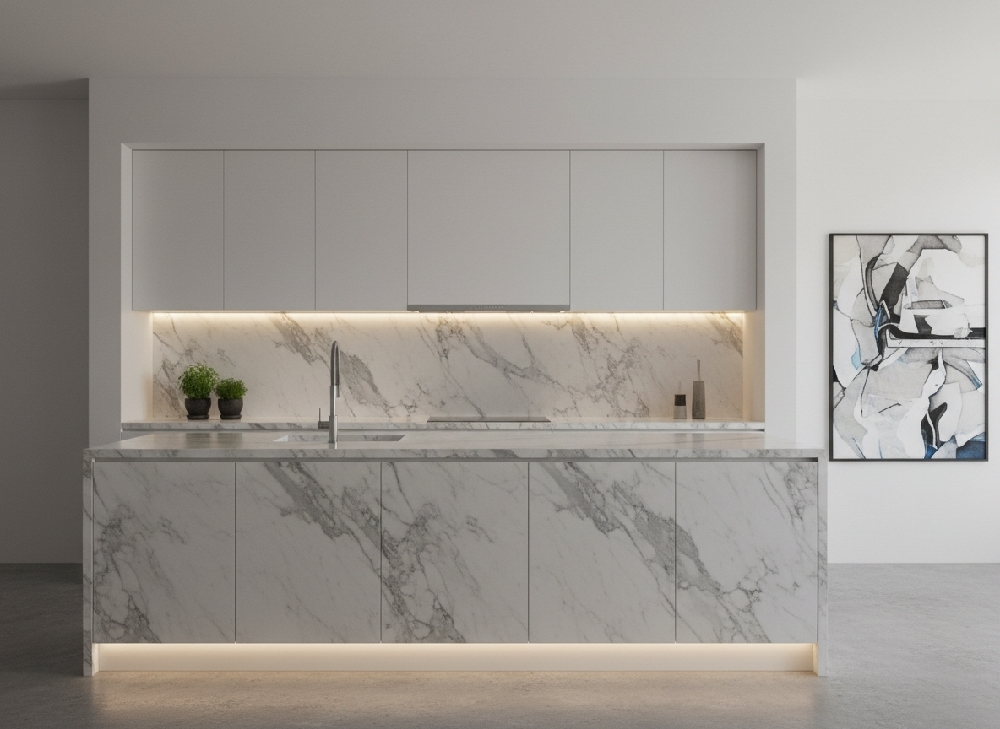
A splashback should complement worktops, cabinetry, and wall colors. Selecting a color or pattern in isolation can disrupt the flow of the space.
Neutral tones provide longevity, while bold designs work best when used intentionally as a feature. The key is alignment, not impulse.
Mistake 7: Cutting Costs in the Wrong Places
Opting for cheaper materials or skipping professional-grade manufacturing often leads to premature replacement. From a long-term cost perspective, this is a false economy.
A properly specified splashback is a one-time investment that protects walls and reduces maintenance over the life of the kitchen or bathroom.
.jpg)
Final Takeaway
Avoiding these common mistakes ensures your splashback delivers both performance and visual impact. The right choice protects your walls, supports hygiene, and completes the space with purpose.
By combining traditional planning principles with modern materials and precision manufacturing, a splashback becomes a long-term asset—not a recurring problem.