
What Is a Splashback and What Does It Do?
A splashback is one of the most practical elements in a kitchen or bathroom, yet it’s often underestimated. While it contributes to the overall look of a space, its primary role is functional—protecting walls, supporting hygiene, and preserving the long-term condition of high-use areas.
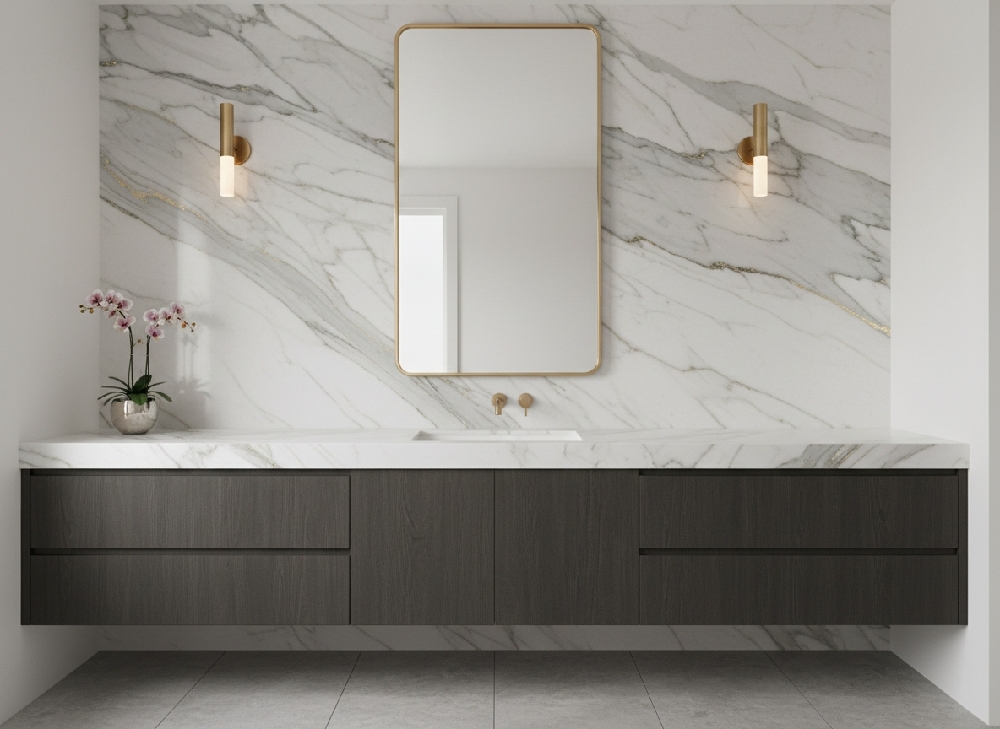
What Exactly Is a Splashback?
A splashback is a protective surface installed on the wall behind areas exposed to water, heat, and frequent cleaning. Common locations include behind cooktops, sinks, worktops, and bathroom basins.
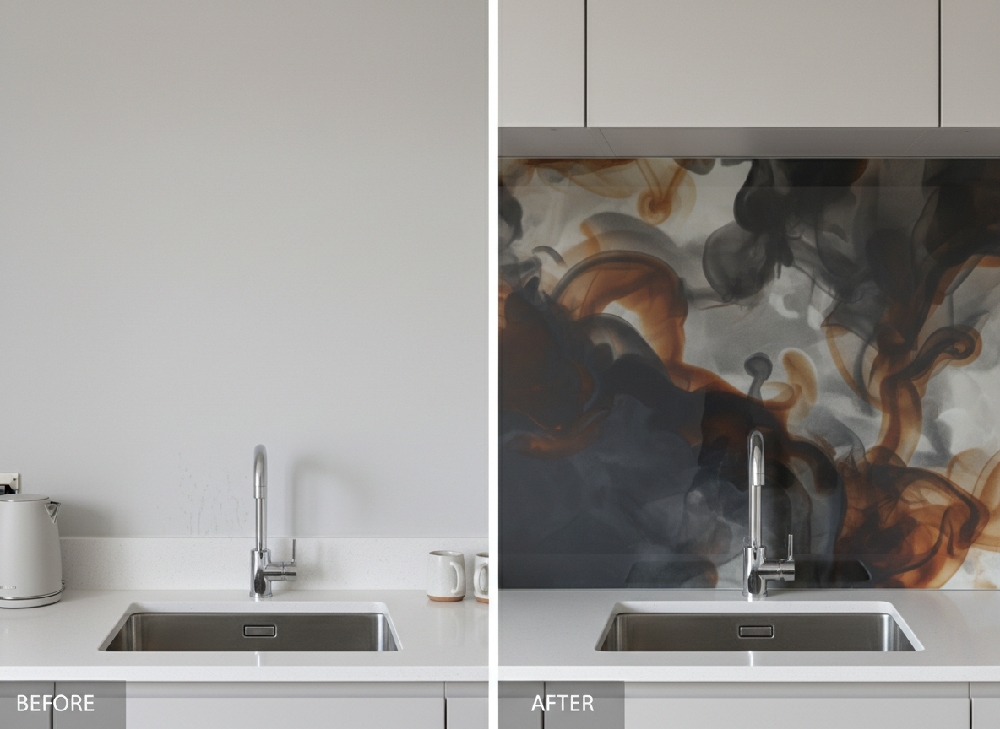
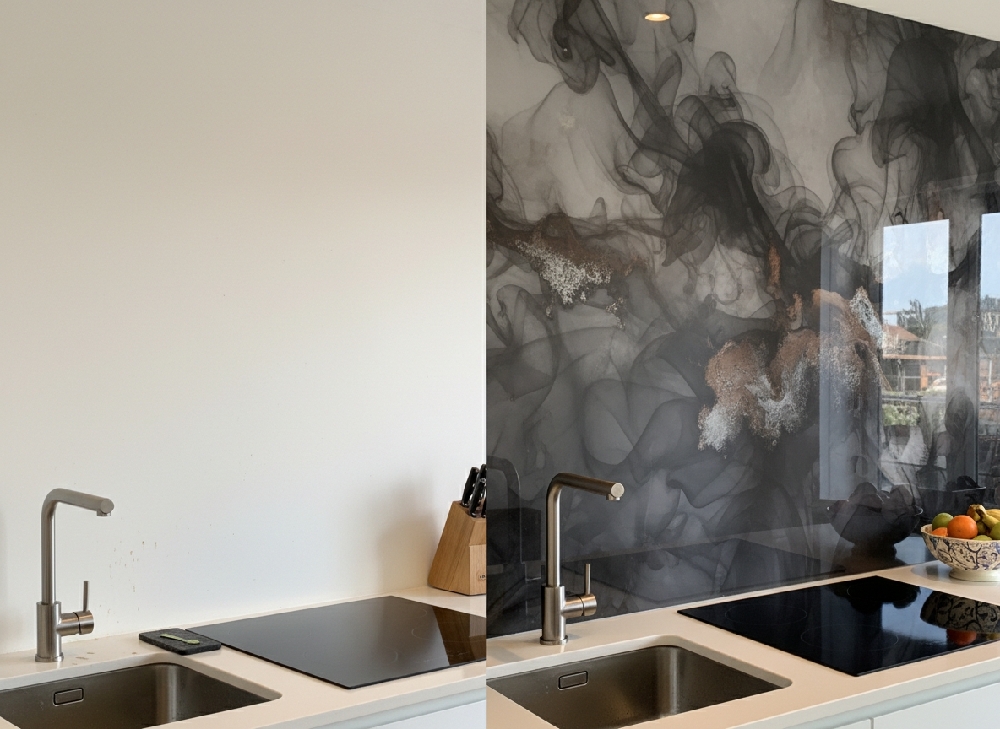
Traditionally, splashbacks were achieved using tiles. Today, materials such as glass have refined this concept, offering smoother finishes, fewer joins, and easier maintenance while maintaining the same core purpose.
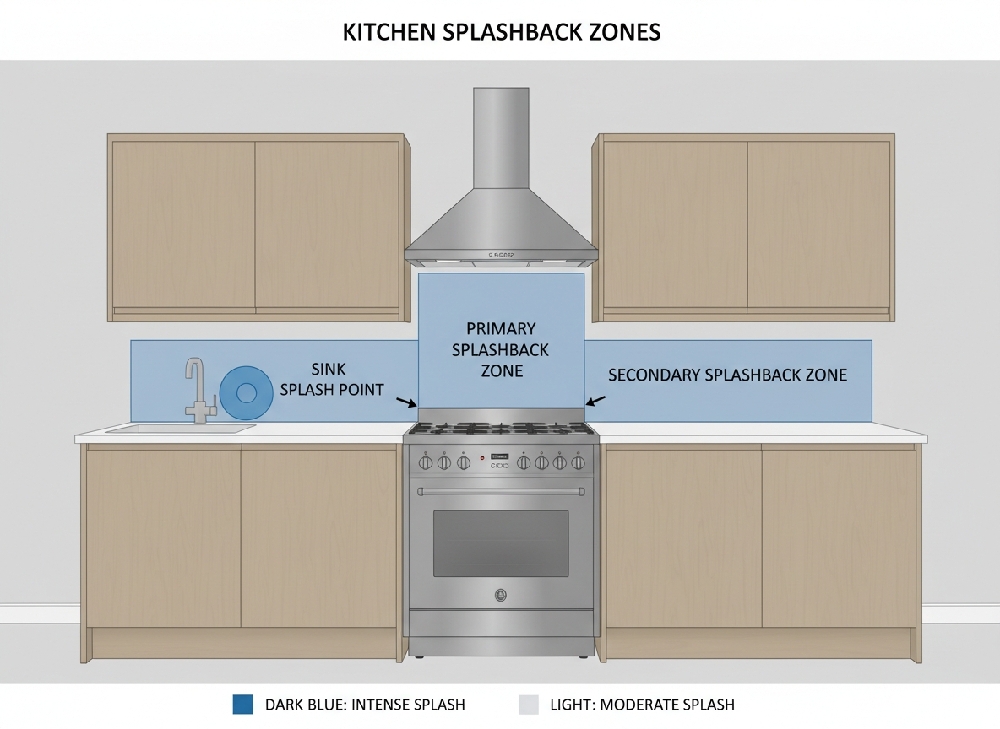
What Does a Splashback Do?
At a strategic level, a splashback serves three main functions:
1. Protects Walls from Damage
Cooking and washing generate moisture, grease, and heat. Without protection, walls absorb this exposure, leading to stains, peeling paint, and surface degradation. A splashback creates a durable barrier that prevents this damage at the source.
2. Improves Hygiene and Cleanliness
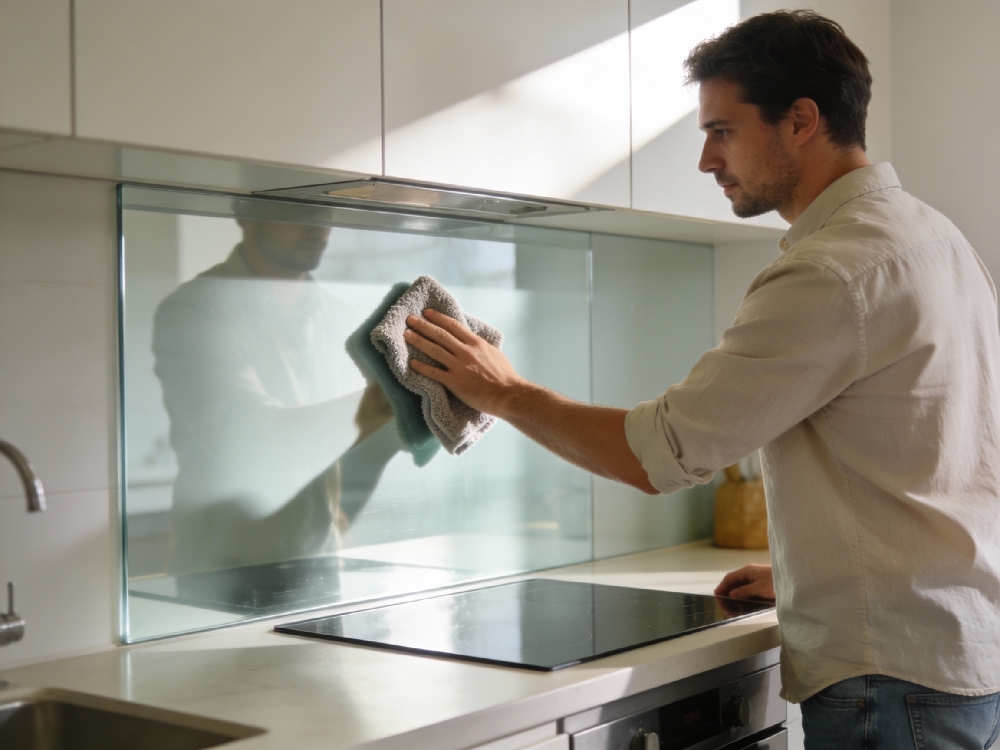
Splashbacks provide a surface that is easy to clean and resistant to bacteria buildup. Smooth, non-porous materials—such as glass—are especially effective, as they eliminate grout lines where dirt and grease typically collect.
This supports traditional cleanliness standards while aligning with modern expectations for low-maintenance living.
3. Creates a Finished, Structured Look
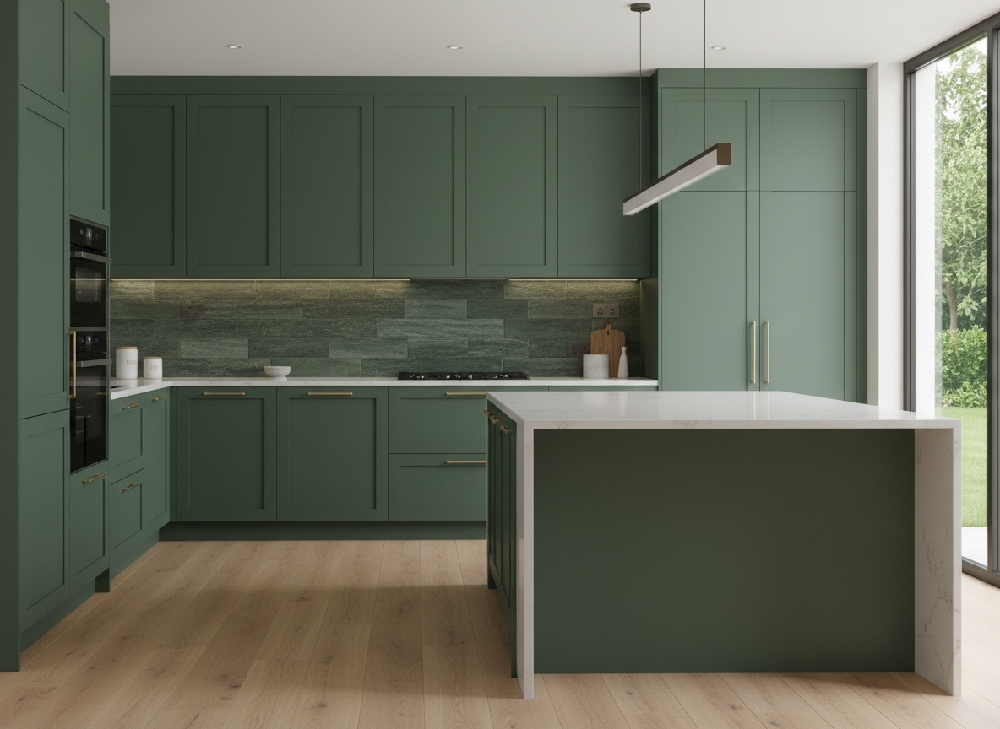
A splashback visually connects worktops to walls, giving the space a cohesive and intentional finish. It defines functional zones and prevents kitchens and bathrooms from looking incomplete or unfinished.
With modern splashbacks, this visual structure can be subtle or bold, depending on color and design choice.
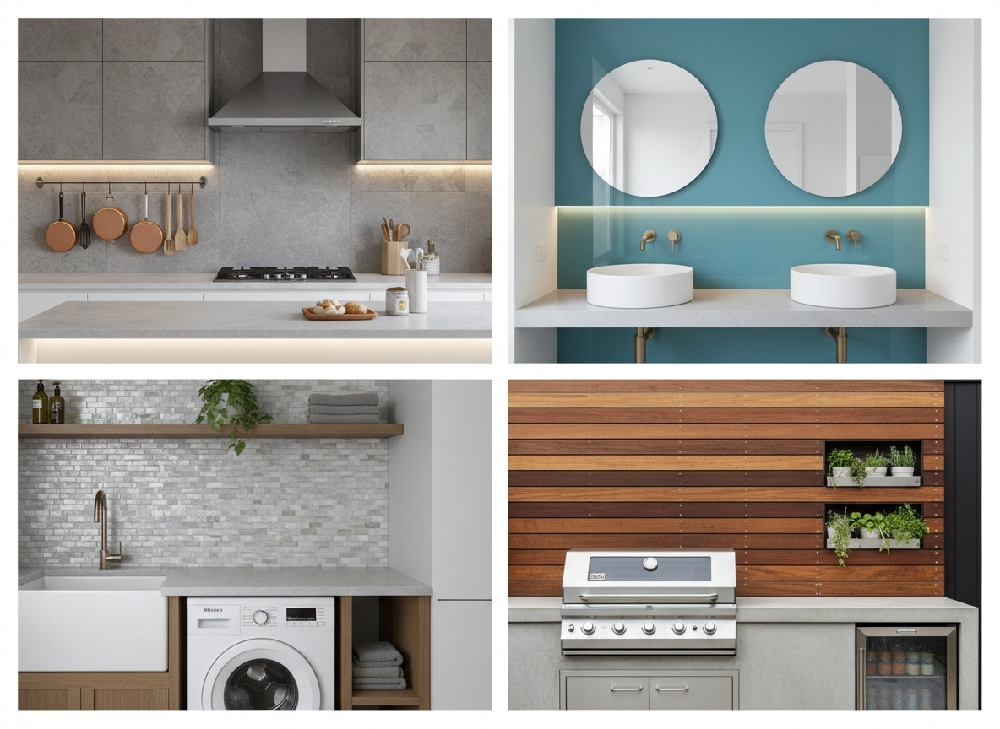
Where Are Splashbacks Commonly Used?
Splashbacks are typically installed:
Behind cooktops or hobs
Behind kitchen sinks
Along main worktops
Behind bathroom basins and vanities
In utility rooms and laundry areas
Made-to-measure options fromDI Y Splashbacks allow splashbacks to be fitted precisely where protection is needed, ensuring performance without excess material.
Are Splashbacks Decorative or Essential?
While splashbacks do enhance design, their primary role is functional. In both traditional construction and modern renovation, splashbacks are considered best practice in wet and heat-exposed areas.
Skipping a splashback often leads to higher maintenance costs and premature wall repairs, making it a short-term saving rather than a long-term solution.
In Summary
A splashback is a protective wall surface designed to manage heat, moisture, and mess in kitchens and bathrooms. It protects walls, supports hygiene, and completes the visual structure of a space.
Rooted in traditional building logic and enhanced by modern materials, a splashback is not an optional extra—it’s a functional requirement executed with better solutions than ever before.