
What Areas Actually Need a Splashback?
Not every wall in a kitchen or bathroom requires protection, but certain zones are exposed to constant heat, moisture, and splashes. Identifying where a splashback is truly necessary helps you plan efficiently and avoid over- or under-specifying your space.
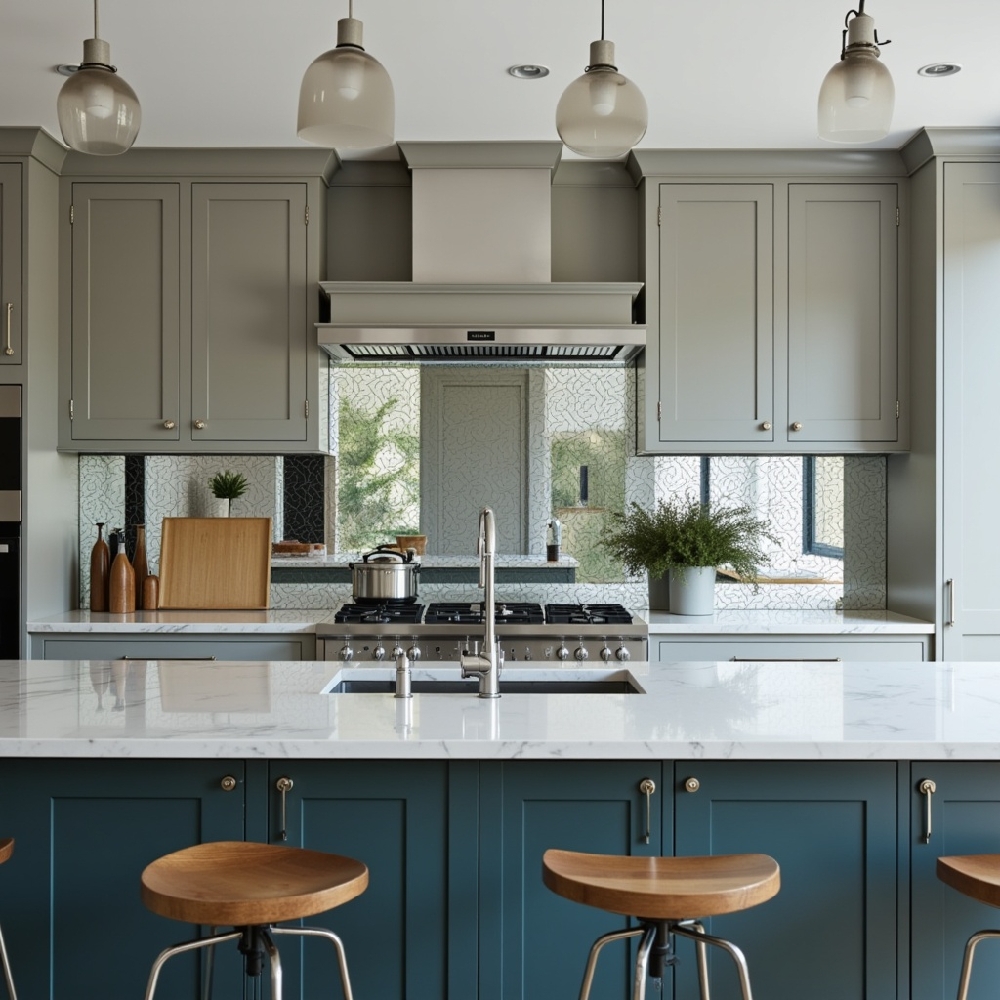
Behind the Cooktop or Hob
This is the most critical location for a splashback. Cooking generates heat, oil splatter, and steam, all of which can damage unprotected walls over time.
A splashback installed behind the cooktop:
Protects walls from grease buildup
Resists heat exposure
Simplifies cleaning after cooking
Traditionally tiled, this area now benefits from glass splashbacks that offer seamless coverage and modern performance.
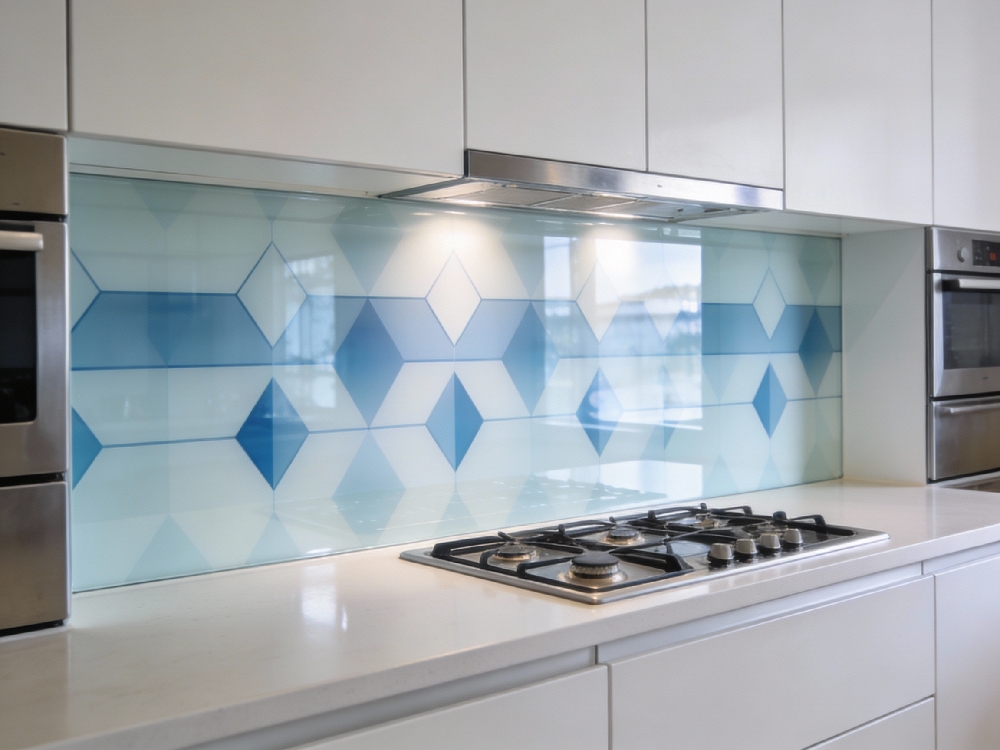
Behind the Sink
Water splashes are unavoidable when washing dishes or hands. Without a splashback, moisture seeps into paint and plaster, leading to staining and peeling.
A splashback behind the sink creates a waterproof barrier that preserves the wall surface and maintains a clean, professional finish.
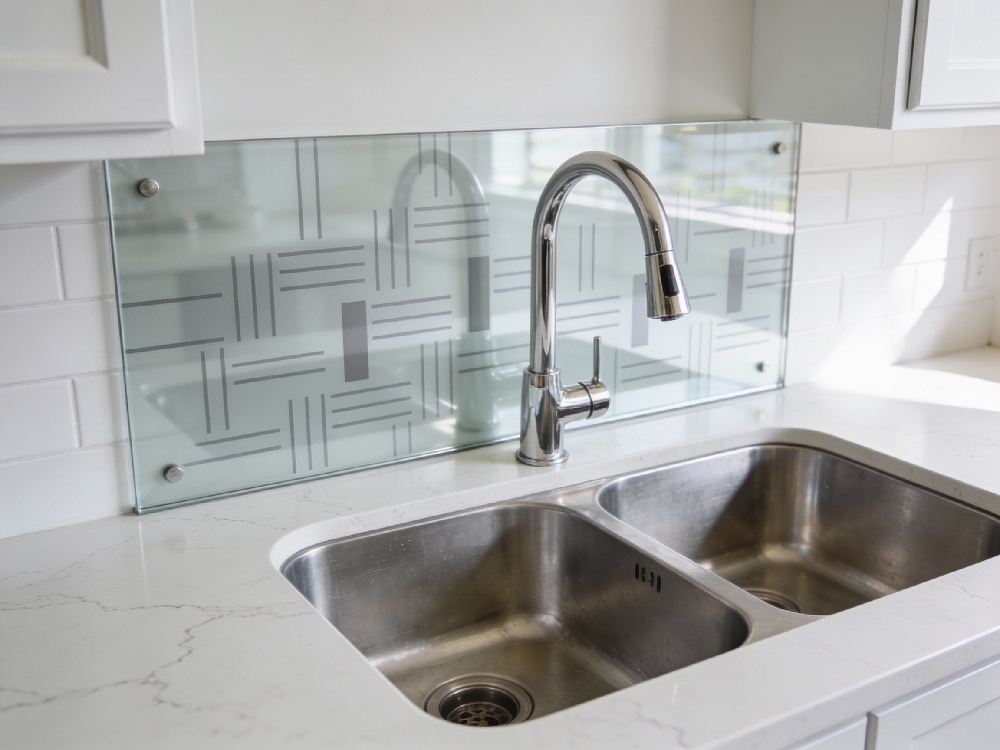
Along the Main Worktop
Any wall directly above a work surface is exposed to spills, food preparation mess, and frequent cleaning. Installing a continuous splashback along the worktop ensures consistent protection and visual continuity.
Made-to-measure splashbacks from DIY Splashbacks allow you to extend coverage precisely where it’s needed—no more, no less.
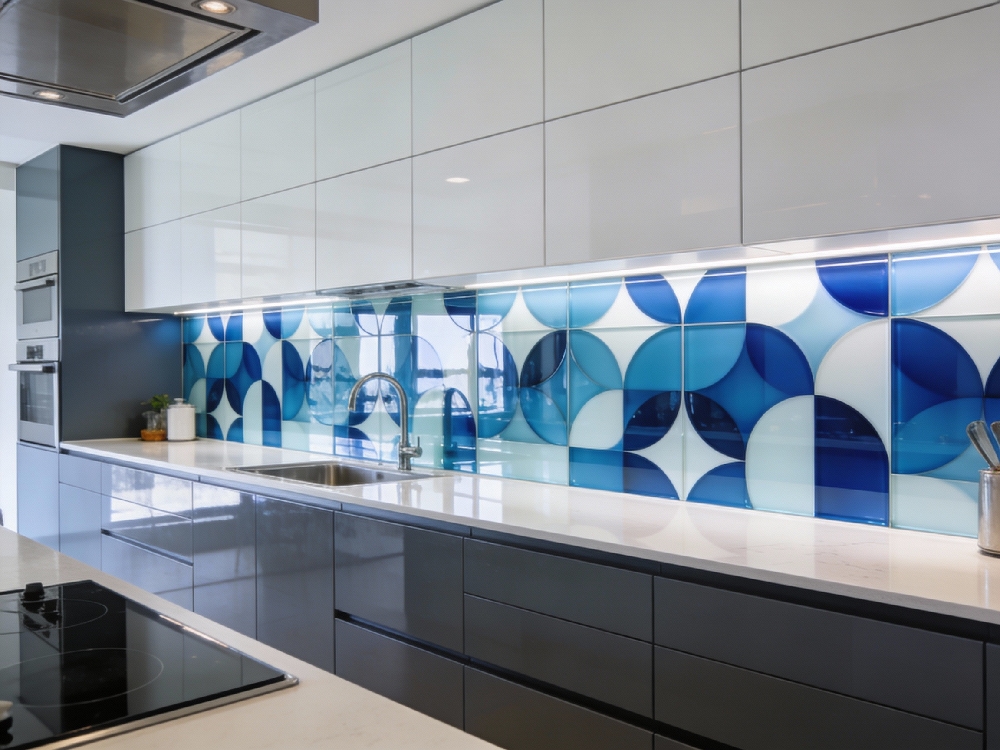
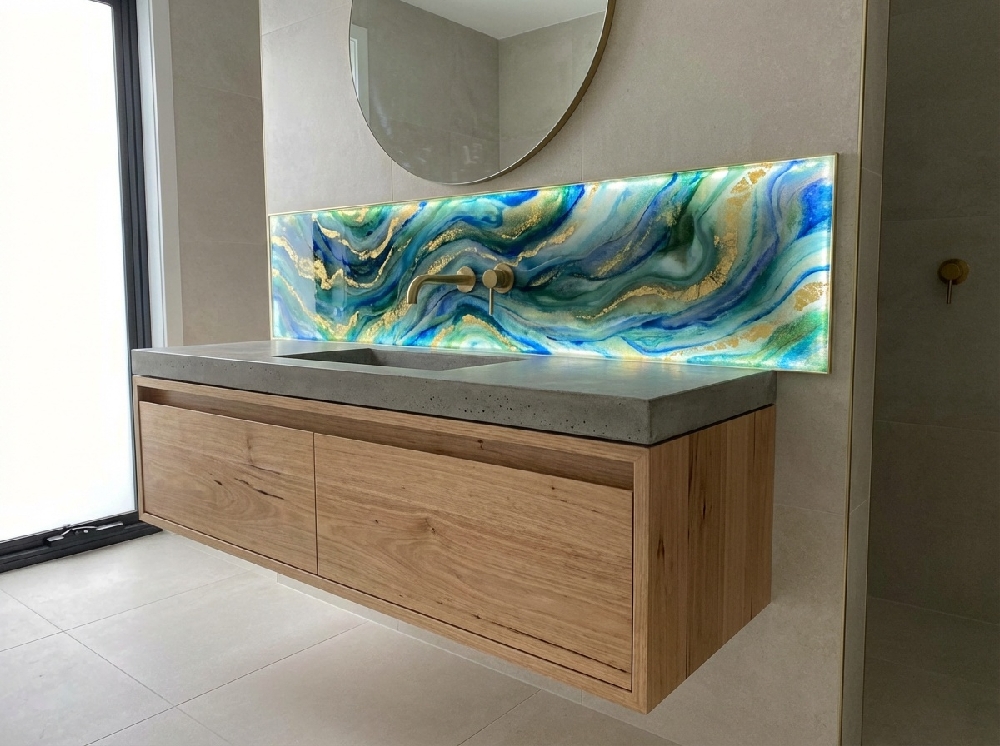
Bathroom Vanities and Basins
Bathrooms are high-moisture environments. Walls behind basins and vanities benefit significantly from splashbacks, which prevent water damage and support hygiene.
Glass splashbacks are particularly effective here, as they resist humidity and are easy to clean.
Utility Rooms and Laundry Areas
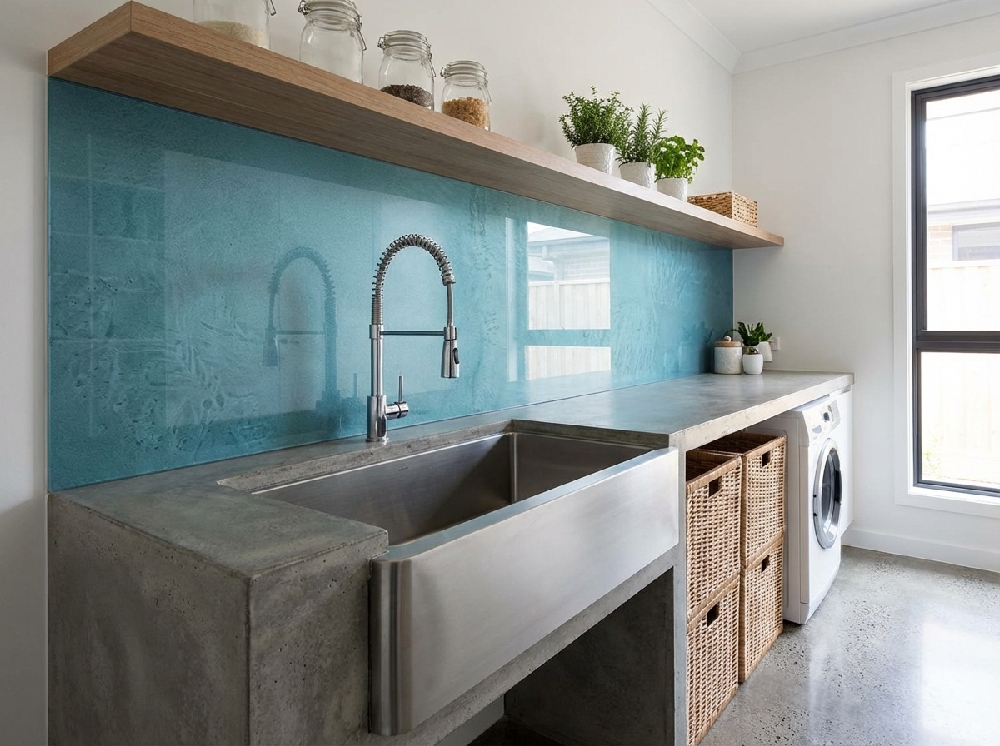
Splashbacks are not limited to kitchens and bathrooms. Utility rooms, laundry areas, and even wet rooms can benefit from splashback protection behind sinks and appliances.
These functional spaces demand durability over decoration—making splashbacks a practical, traditional solution.
Areas That Don’t Always Need a Splashback
Walls away from water, heat, or food preparation generally do not require splashback protection. Installing splashbacks only in high-impact zones ensures efficient use of materials while maintaining a clean design.
Final Takeaway
You need a splashback wherever heat, water, or frequent cleaning occurs. Focusing on these key zones ensures your space remains protected, hygienic, and visually cohesive.
From a traditional planning standpoint, this is about protecting surfaces where damage is most likely. From a modern perspective, it’s about doing so with better materials and smarter design.