
The Enduring Role of Splashbacks in Modern Homes
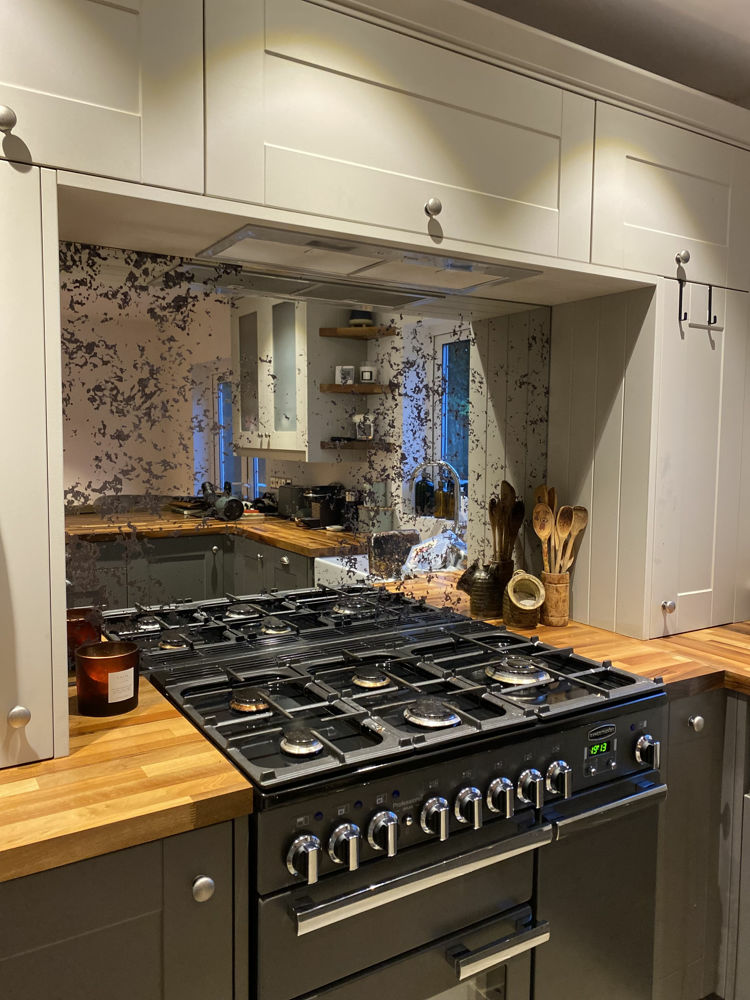
In a market saturated with fleeting trends and short-term design statements, splashbacks remain a strategic constant. They are not a novelty. They are infrastructure. For decades, splashbacks have delivered on one core promise: protect high-use surfaces while elevating the visual integrity of a space. That mandate has not changed—only the execution has evolved.
A Legacy Built on Function First
Historically, splashbacks were installed for one reason: practicality. Kitchens and bathrooms demanded a surface that could withstand heat, moisture, stains, and daily wear without degradation. Glass, tile, and stone became the default not because they were fashionable, but because they performed consistently over time.
That foundational logic still governs smart design decisions today. While finishes and color palettes rotate, the requirement for durability, hygiene, and ease of maintenance remains non-negotiable.
Modern Homes, Same Expectations—Higher Standards
Today’s homeowners expect more. Spaces are open-plan, multifunctional, and visually scrutinized. Splashbacks now operate at the intersection of performance and brand identity within the home. They frame cooking zones, define bathrooms, and increasingly act as subtle focal points rather than background elements.
Modern glass splashbacks, in particular, demonstrate how legacy concepts can be optimized for contemporary living. Clean lines, customizable color options, and seamless installation allow homeowners to preserve traditional reliability while upgrading aesthetic value. Suppliers such as DIY Splashbacks exemplify this evolution by offering made-to-measure solutions that respect established building principles while embracing modern manufacturing precision.
Durability as a Long-Term Asset
Unlike trend-driven features that require regular replacement, a well-installed splashback is a long-term asset. It reduces repainting cycles, protects structural walls, and simplifies cleaning protocols. From a cost-benefit standpoint, this positions splashbacks as a low-risk, high-return upgrade—particularly relevant in kitchens, rental properties, and high-traffic households.
This is where tradition proves its value. Time-tested materials outperform experimental alternatives, especially when paired with modern fabrication and installation standards.
Design Consistency Across Spaces
Beyond kitchens, splashbacks are increasingly deployed in bathrooms, utility rooms, and even workspaces. The rationale is consistent: where water, heat, or friction exists, protection should follow. Extending splashback use across the home creates visual continuity and reinforces a disciplined design language.
By leveraging customizable solutions from providers like DIY Splashbacks, homeowners can maintain consistency without sacrificing individuality—an approach that aligns with both classic design thinking and modern personalization.
Conclusion: Proven Concepts, Refined Execution
The enduring relevance of splashbacks is not accidental. It is the result of decades of reliable performance, refined through incremental innovation rather than radical reinvention. In modern homes, where efficiency and aesthetics must coexist, splashbacks continue to deliver measurable value.
In short, while trends come and go, fundamentals endure. And splashbacks—quietly, reliably—remain one of the most effective surface solutions ever introduced into residential design.