
The Overlooked DIY Advantage: Optimizing Utility Spaces for Long-Term Performance
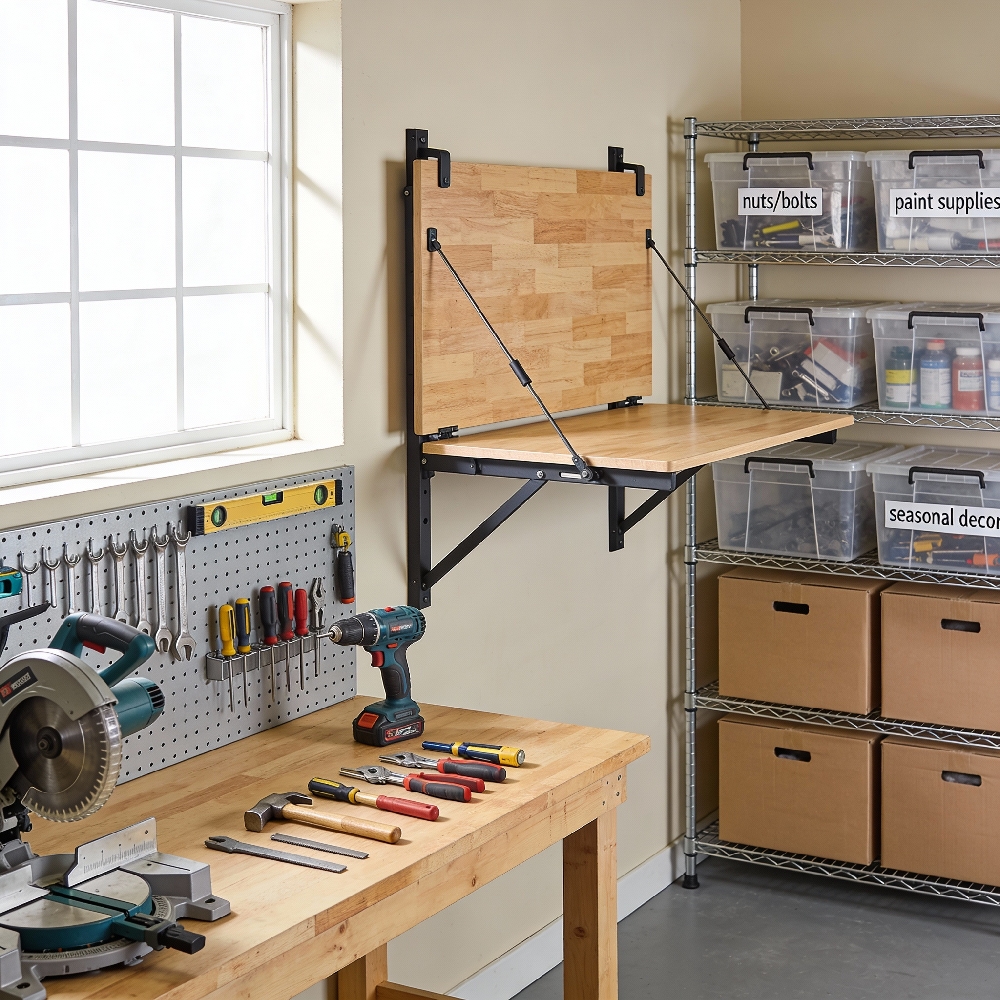
Not every upgrade needs to announce itself. The most effective homes—past and present—are built on disciplined decisions made in the background. Utility spaces, secondary sinks, laundry corners, cleaning stations, and transitional work zones are where a home either maintains control or slowly breaks down.
Traditionally, these areas were treated with a purely functional mindset: tiled if necessary, painted if not, then forgotten. That approach made sense at the time. Materials were limited, budgets were tight, and aesthetics were reserved for front-of-house spaces. Today, that logic still holds—but it can be executed far better.
Why These Spaces Matter More Than You Think
Utility zones absorb the most punishment. Water, heat, detergents, chemicals, friction, and repetitive use all converge here. When these areas fail, the damage doesn’t stay contained—it migrates into walls, cabinetry, and flooring.
Upgrading these spaces isn’t cosmetic. It’s preventative maintenance.
Installing a durable wall panel—such as glass—behind a utility sink or work surface:
• Creates a non-porous barrier against moisture and stains
• Reduces cleaning time and chemical exposure
• Protects underlying finishes from early degradation
• Brings visual order to a high-use environment
This is the same principle builders have followed for decades, refined with modern materials.
A DIY Upgrade Built for Control, Not Show
Unlike kitchens and bathrooms, utility spaces allow for practical experimentation. The scale is smaller, the tolerances are more forgiving, and the risk profile is low—making them ideal for disciplined DIY work.
Execution framework:
Define the protection zone instead of covering unnecessary wall area
Prepare surfaces thoroughly—flat, dry, and sealed
Use neutral-cure adhesives designed for long-term bonding
Dry-fit panels before final fixing to avoid alignment issues
Providers like DIY Splashbacks make this process more predictable by supplying cut-to-size panels that remove complexity from the equation while preserving professional standards.
Color Choices That Respect Function
This is not the place for trend-chasing. Utility spaces benefit from restraint. Whites, off-whites, soft grays, and muted industrial shades reflect light, reveal grime early, and reinforce cleanliness.
Historically, functional spaces favored lighter tones for a reason—they improve visibility and reduce errors. That logic hasn’t changed.
Cost Efficiency and Return on Effort
From a cost-benefit standpoint, this upgrade is hard to beat. Small surface area, minimal materials, fast installation, and long service life. The return comes in time saved, damage avoided, and overall home resilience.
It’s the kind of improvement homeowners feel daily but rarely talk about—and that’s exactly the point.
Scaling the Concept Across the Home
Once applied successfully, the same logic can extend to:
• Garage utility sinks
• Home workshops
• Pantry prep zones
• Outdoor covered wash areas
Each application compounds the value of the initial decision.
Final Perspective
Strong homes are not built on standout features alone. They’re built on consistency, protection, and foresight. Optimizing utility spaces is a disciplined move—rooted in traditional building principles and executed with modern efficiency.
This is DIY with purpose. Quiet. Effective. Enduring.