
What Is the Most Cost-Effective Plastic Material for Splashbacks?
Cost-effective does not simply mean cheapest upfront. It reflects purchase price, installation expense, durability, and maintenance over time. In the plastic category, two materials dominate: acrylic (often branded as Perspex) and PVC panels. Between them, acrylic typically delivers the strongest value balance for kitchen splashbacks.
.jpg)
Acrylic (Perspex) – The Market Leader
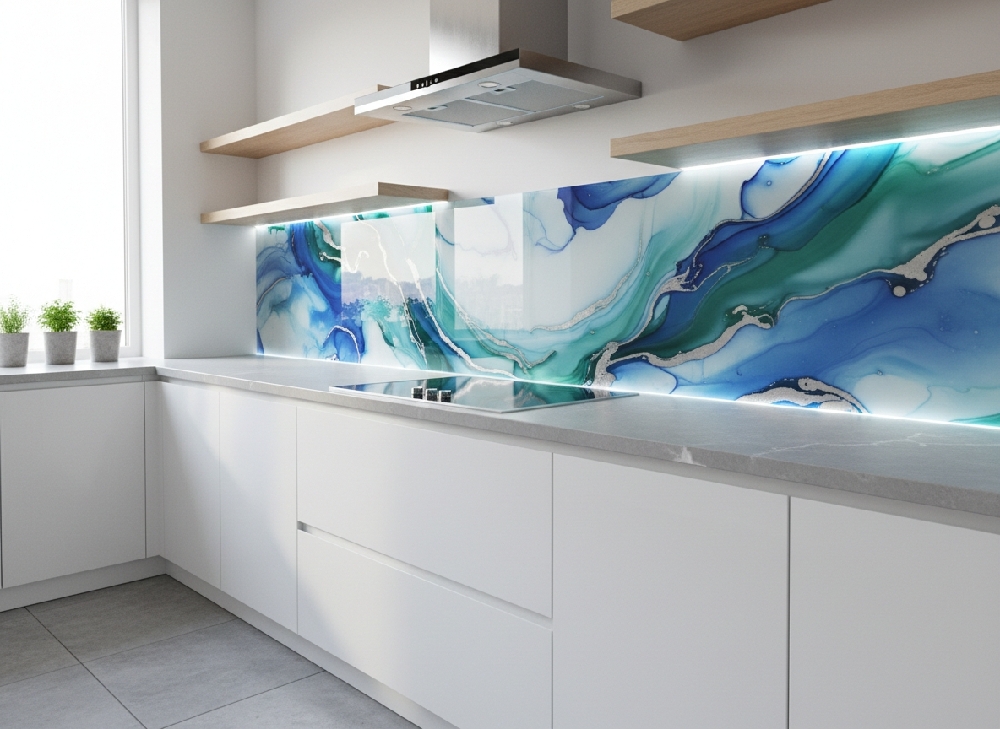
Acrylic is widely regarded as the most cost-effective plastic splashback material for residential kitchens.
Key advantages include:
• Lower purchase cost than toughened glass
• Lightweight and easy to handle
• Simple cutting and installation
• Wide color availability
• Gloss finish similar to glass
Acrylic provides strong visual impact at a reduced price point. For areas away from direct heat sources, it performs efficiently and maintains appearance over time.
However, acrylic has lower heat tolerance compared to toughened glass. It is generally not recommended directly behind gas hobs unless sufficient clearance is provided.
PVC Panels – Budget Entry Option
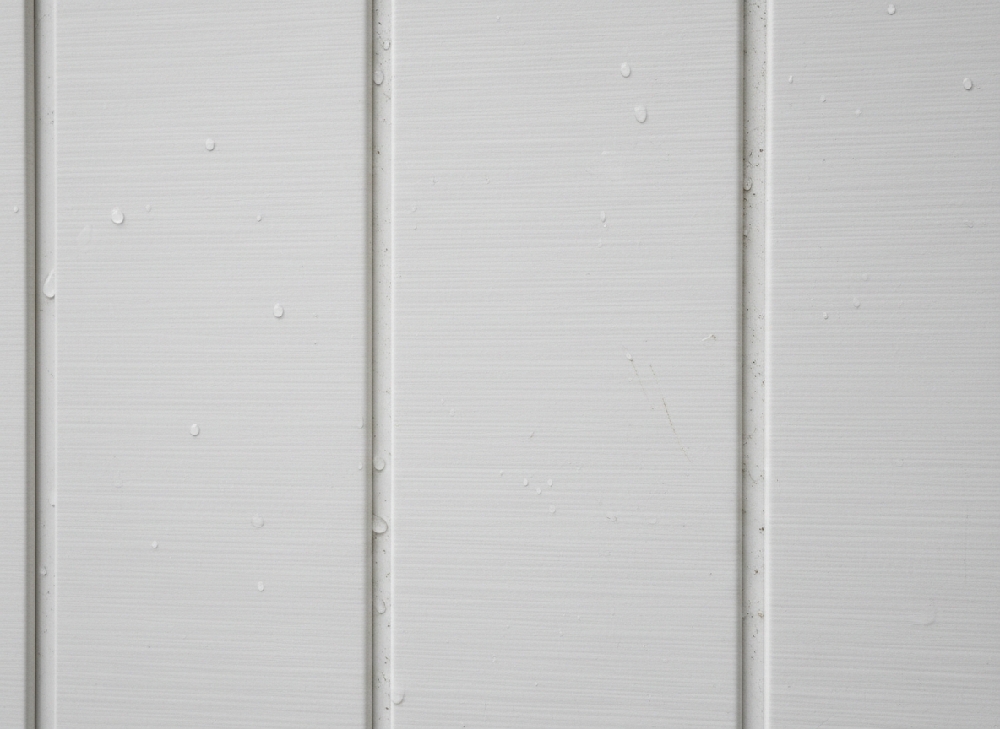
PVC splashback panels are typically cheaper than acrylic. They are lightweight, easy to install, and moisture resistant. However, they are more prone to scratching, warping under heat, and long-term surface wear.
For low-heat zones such as utility rooms or bathroom vanities, PVC may serve as a short-term solution. For primary cooking zones, durability limitations reduce its long-term value.
.jpg)
Comparison of PVC panel and acrylic splashback surface texture.
Installation and Maintenance Economics
Plastic splashbacks reduce installation costs because they are easier to cut and fit. This lowers labor expenses for DIY projects. Cleaning is straightforward, requiring only mild detergents and a soft cloth.
Suppliers such as DIY Splashbacks offer acrylic options cut to size, improving fit precision while maintaining affordability.
Strategic Conclusion
Acrylic stands out as the most cost-effective plastic splashback material. It balances affordability, appearance, and ease of installation. PVC offers a lower entry price but may compromise long-term durability. For kitchens seeking budget control without sacrificing aesthetics, acrylic represents the stronger investment.