
Which Splashback Material Lasts the Longest?
A Practical Guide to Long-Term Kitchen Performance
When planning a kitchen or bathroom upgrade, durability is not simply a technical detail—it is a strategic investment decision. Homeowners increasingly prioritize finishes that maintain structural strength, visual clarity, and hygiene standards over many years of daily use. Splashbacks sit directly in the line of heat, moisture, and cleaning activity, making material selection critical to long-term performance.
This guide evaluates the three most common splashback materials through a durability-first lens, helping you align design ambition with lifecycle value.
Toughened Glass: The Long-Term Performance Leader
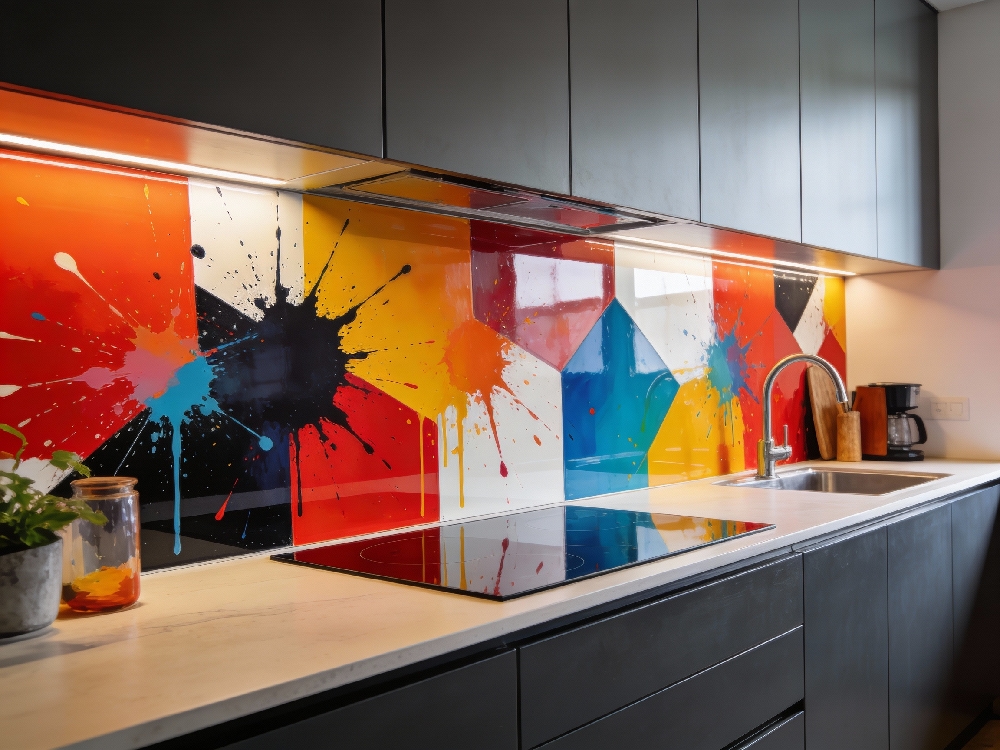
Toughened glass continues to define the benchmark for splashback longevity. Engineered through controlled heat treatment, it delivers strong resistance to high cooking temperatures, moisture exposure, stains, and discoloration. Its non-porous surface prevents grease absorption and simplifies routine cleaning, preserving both hygiene and appearance with minimal effort.
From a strategic standpoint, glass offers the most future-proof solution—maintaining clarity, strength, and modern visual appeal well beyond typical renovation cycles. Many homeowners exploring premium, made-to-measure options through DIY Splashbacks prioritize glass specifically for this reason: dependable performance paired with refined aesthetics.
Tiles: Traditional Durability with Maintenance Considerations
Tiles have delivered reliable splashback protection for decades and remain closely associated with classic kitchen design. Their core material is highly durable; however, grout lines introduce an operational maintenance requirement. Without periodic sealing and cleaning, grout may trap moisture, discolor, or reduce the overall visual standard of the installation.
In environments where consistent upkeep is feasible, tiled splashbacks can perform for many years. Their endurance, however, is maintenance-dependent rather than inherently maintenance-free.
Acrylic: Cost-Effective but Shorter Lifecycle
Acrylic splashbacks provide an accessible entry point for budget-conscious renovations. They are lightweight, visually versatile, and suitable for low-heat zones such as utility rooms or lightly used kitchens.
However, compared with glass, acrylic is more susceptible to surface scratching, heat distortion, and gradual wear. This positions it as a practical short-to-mid-term solution rather than a permanent installation for high-performance cooking environments.
Final Perspective: Choosing for Longevity, Not Just Appearance
Material selection ultimately reflects renovation priorities.
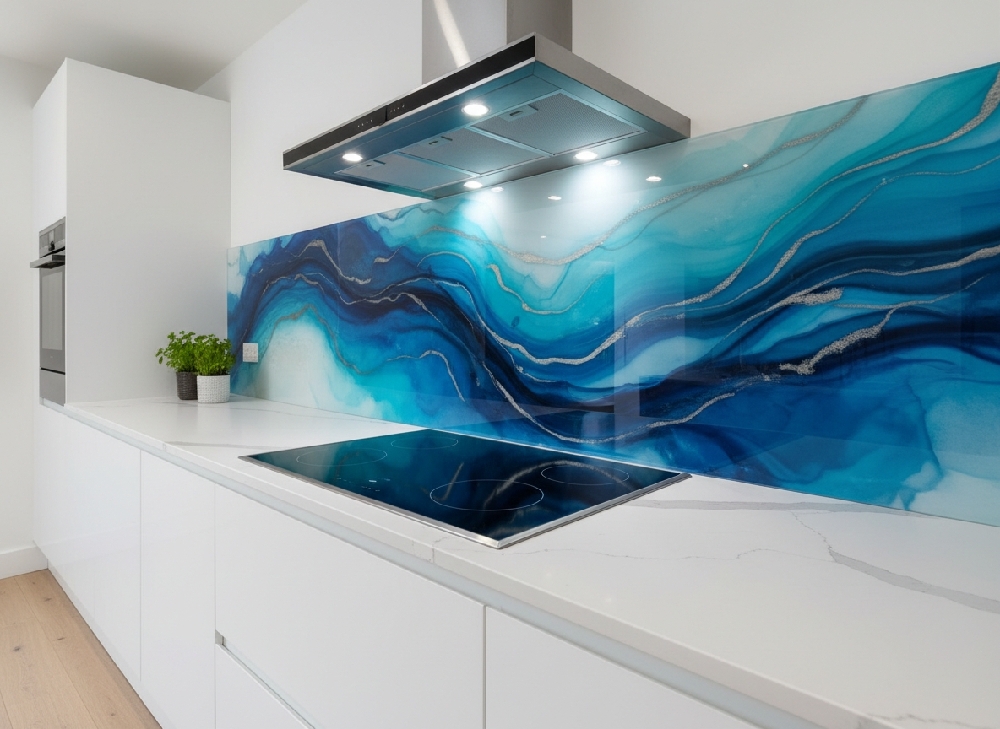
Glass delivers the strongest balance of durability, hygiene, and long-term visual stability.
Tiles provide time-tested protection but require disciplined maintenance.
Acrylic offers affordability with a reduced lifespan in demanding environments.
For homeowners focused on sustainable value and minimal upkeep, toughened glass remains the most commercially sound investment—combining modern design with enduring structural performance.