
Do Splashbacks Fade or Discolor Over Time?
A Realistic Assessment of Color Stability, Materials, and Long-Term Appearance
Color longevity is a central concern in kitchen design. Homeowners expect finishes to maintain their original tone despite daily exposure to sunlight, moisture, grease, and routine cleaning. Understanding whether splashbacks fade over time requires looking beyond appearance and examining material composition, manufacturing quality, and environmental exposure.
Glass Splashbacks: Engineered for Lasting Color Stability
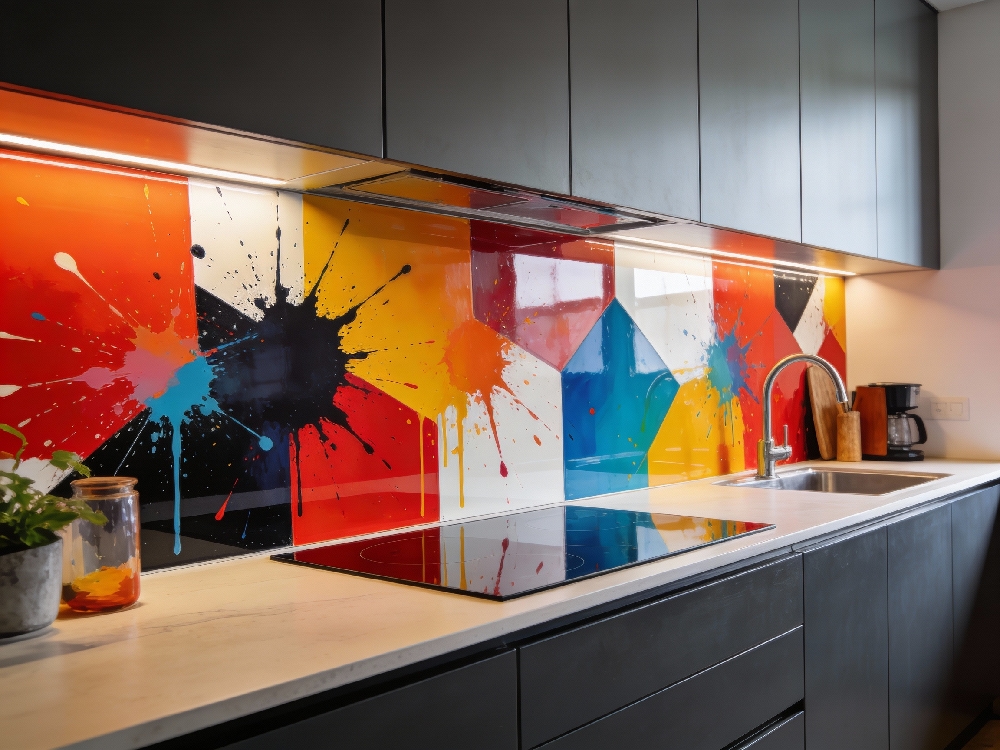
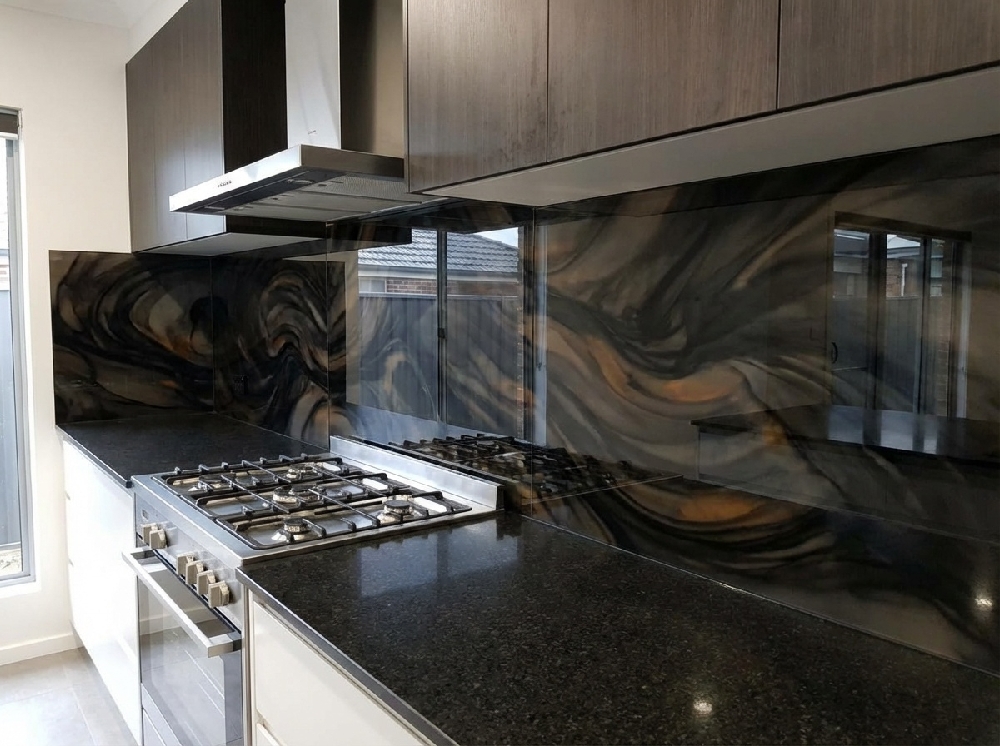
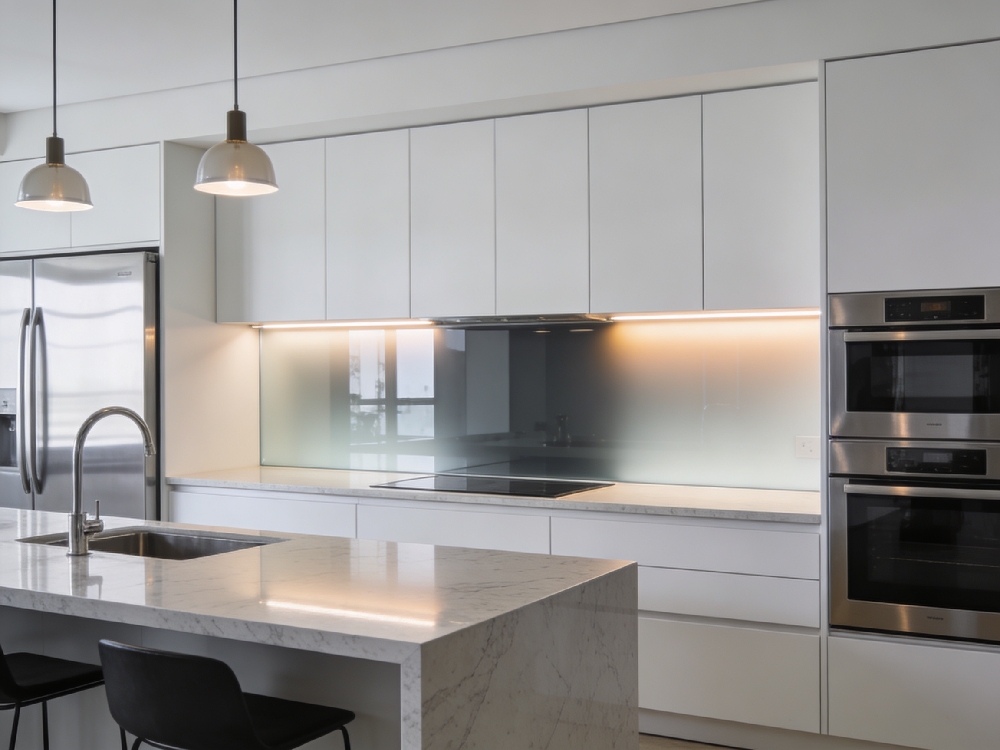
High-quality glass splashbacks are produced using durable, heat-resistant color backing sealed behind toughened safety glass. Because the pigment layer sits on the reverse side of the panel, it is protected from UV light, steam, abrasion, and cleaning chemicals.
In practical terms, this means fading or discoloration is extremely uncommon under normal indoor conditions. Glass therefore delivers one of the most reliable long-term visual performances in modern kitchens.
When Discoloration Is More Likely to Occur
Color change is typically linked to lower-grade materials rather than splashbacks as a category:
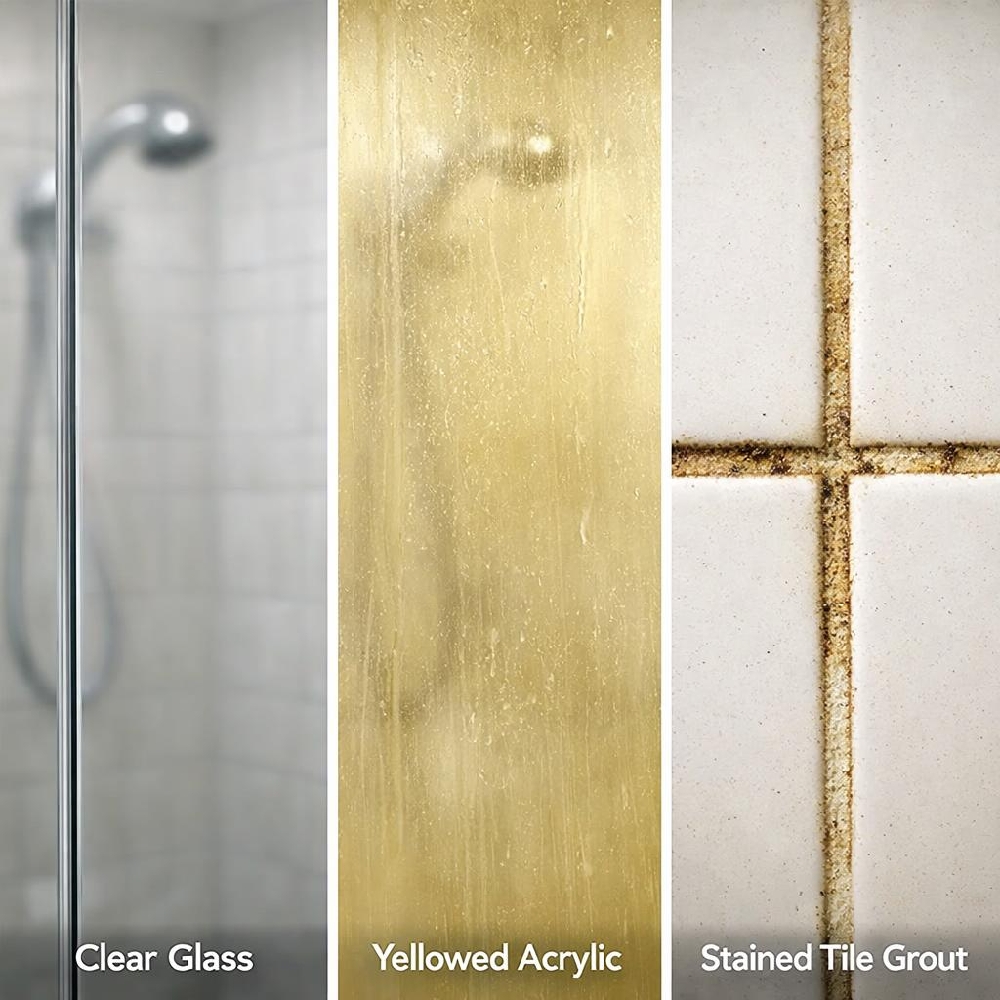
Acrylic panels may yellow or dull gradually, especially in areas exposed to heat or strong sunlight.
Tiled splashbacks can appear discolored due to grout staining, moisture absorption, or cleaning chemical buildup.
Painted walls behind cooking zones often fade fastest because they lack protective sealing.
These differences highlight why material specification directly influences long-term appearance.
The Role of Manufacturing Quality
Not all glass splashbacks are produced to the same standard. Consistent color stability depends on:
Proper toughening and curing processes
High-grade UV-resistant backing paint
Accurate edge sealing and installation
Homeowners sourcing precision-manufactured panels through DIY Splashbacks often prioritize these quality controls to ensure the splashback maintains its original tone for many years.
Visual Lifespan vs Structural Lifespan
A splashback may remain structurally intact while its appearance ages.
Glass performs strongly in both categories—retaining clarity and color simultaneously. Acrylic and tile may still function as wall protection but gradually lose visual freshness, influencing the perceived age of the kitchen.
Recognizing this distinction helps homeowners choose finishes that protect not only the wall surface but also the long-term aesthetic value of the space.
Strategic Takeaway
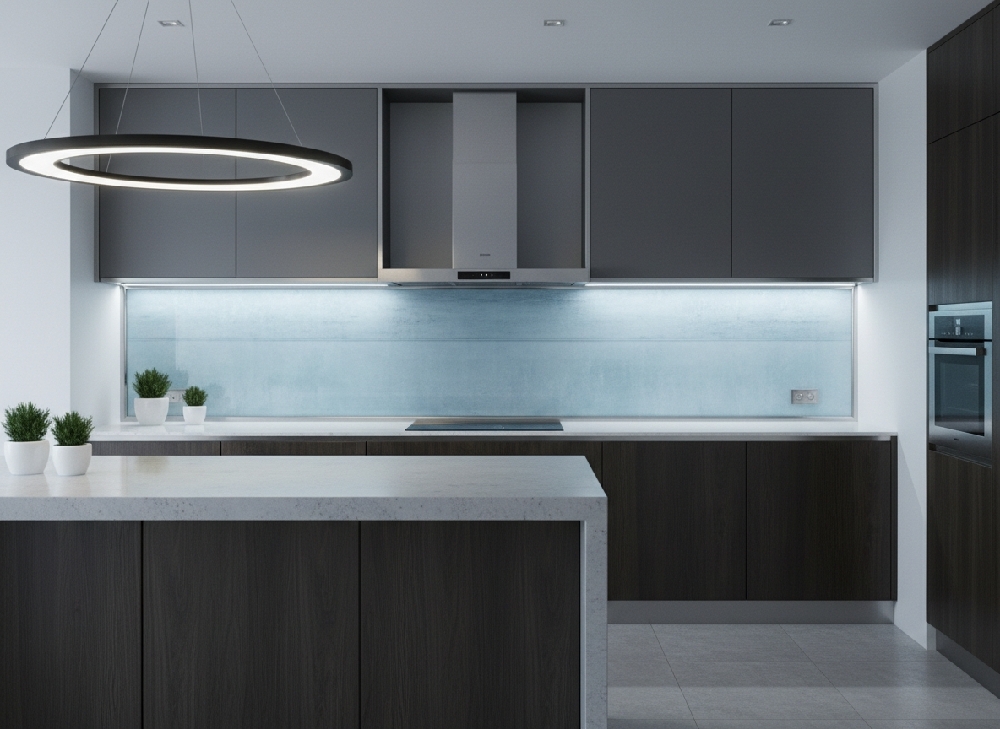
Quality glass splashbacks are specifically engineered not to fade or discolor in normal indoor environments. When correct materials and manufacturing standards are used, they can preserve their original color for decades—often matching the lifespan of the kitchen itself.
For renovation strategies focused on durability, hygiene, and enduring visual clarity, glass remains the most reliable long-term investment.