
How Long Should a Quality Splashback Last?
A Realistic Look at Lifespan, Materials, and Long-Term Value
Durability is one of the most important performance indicators in any kitchen upgrade. A splashback is exposed daily to heat, steam, grease, cleaning products, and accidental impact. Understanding how long a quality splashback should last allows homeowners to make investment decisions based on lifecycle value, not just initial cExpected Lifespan by Material Type
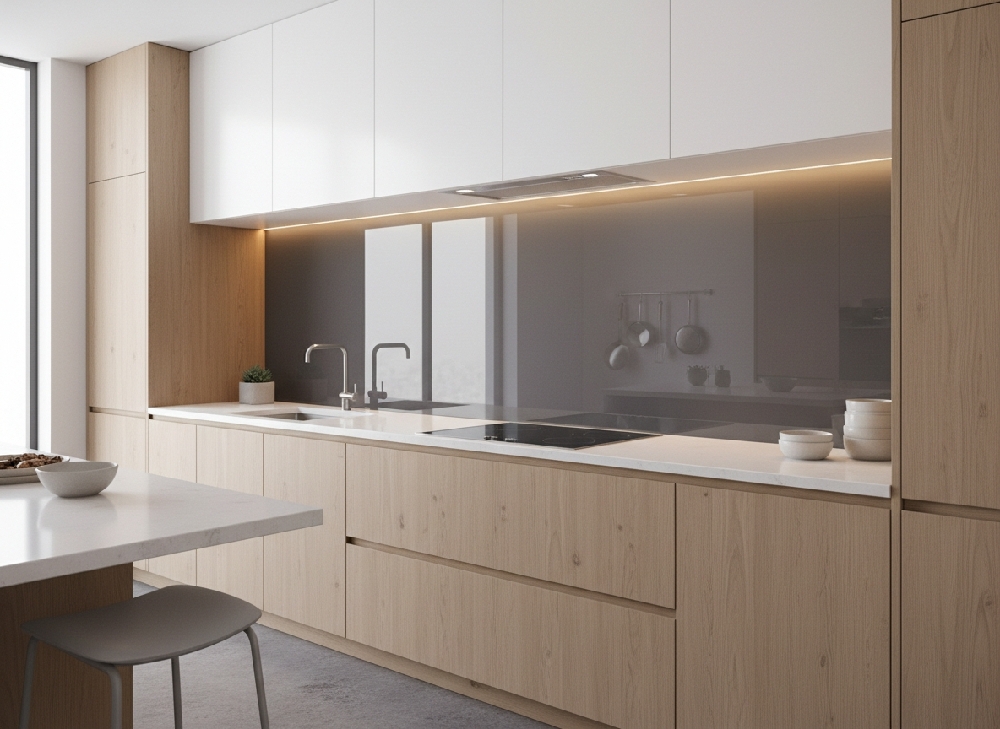
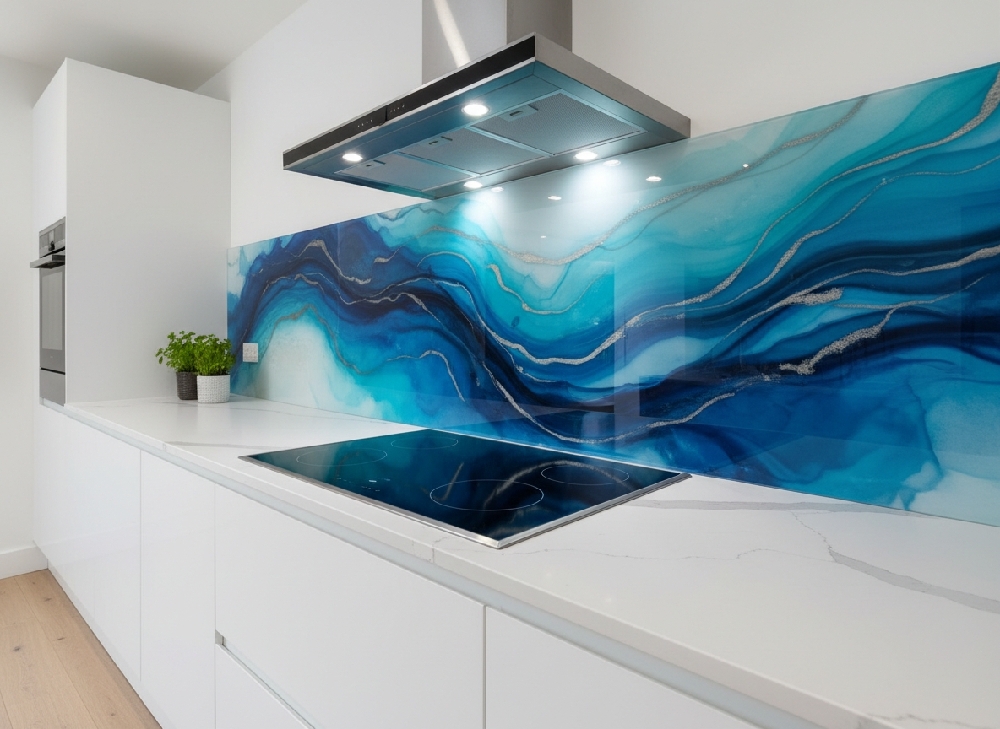
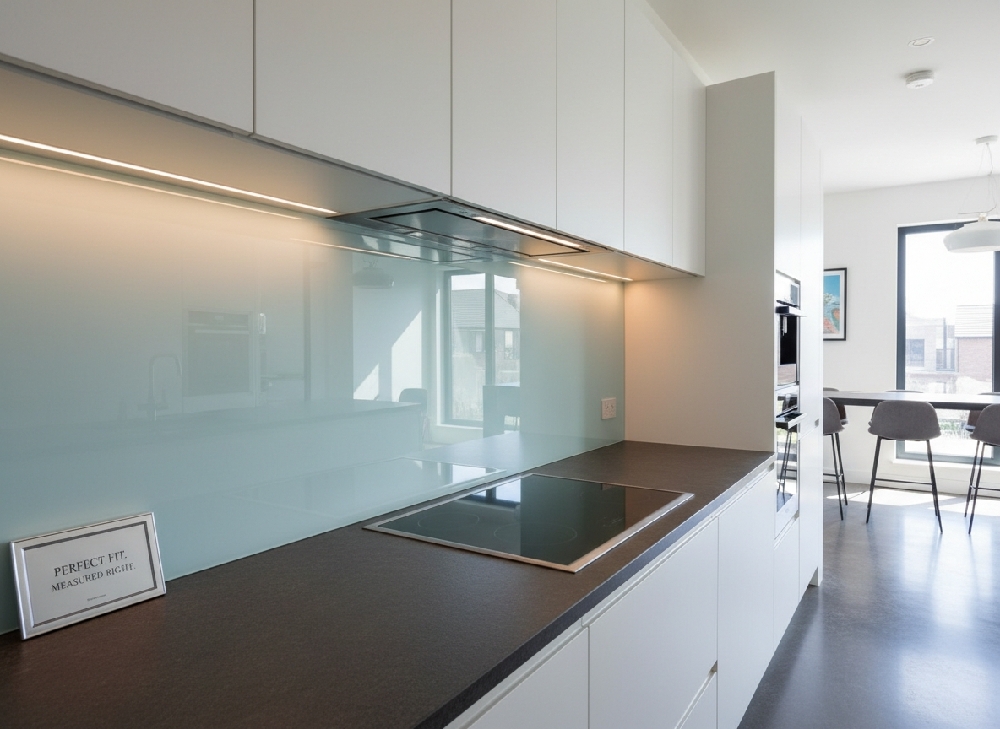
Toughened glass sits at the top of the longevity scale. When correctly manufactured and professionally installed, it can remain structurally sound and visually clear for decades, often matching the working life of the kitchen itself. Its resistance to heat, moisture, stains, and discoloration minimizes deterioration over time.
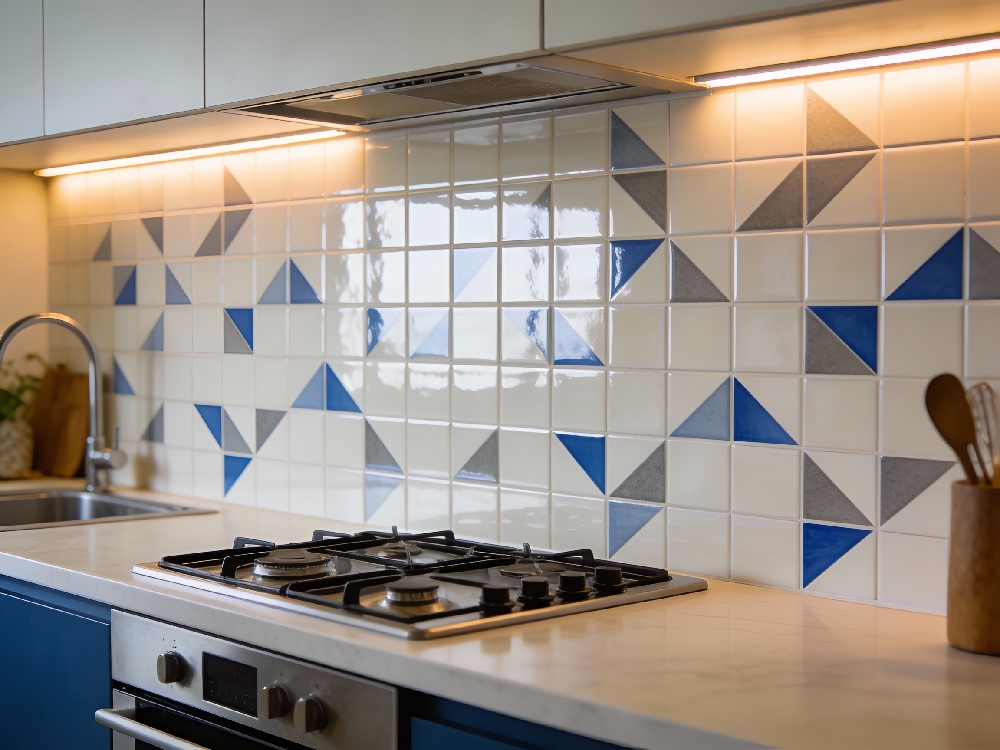
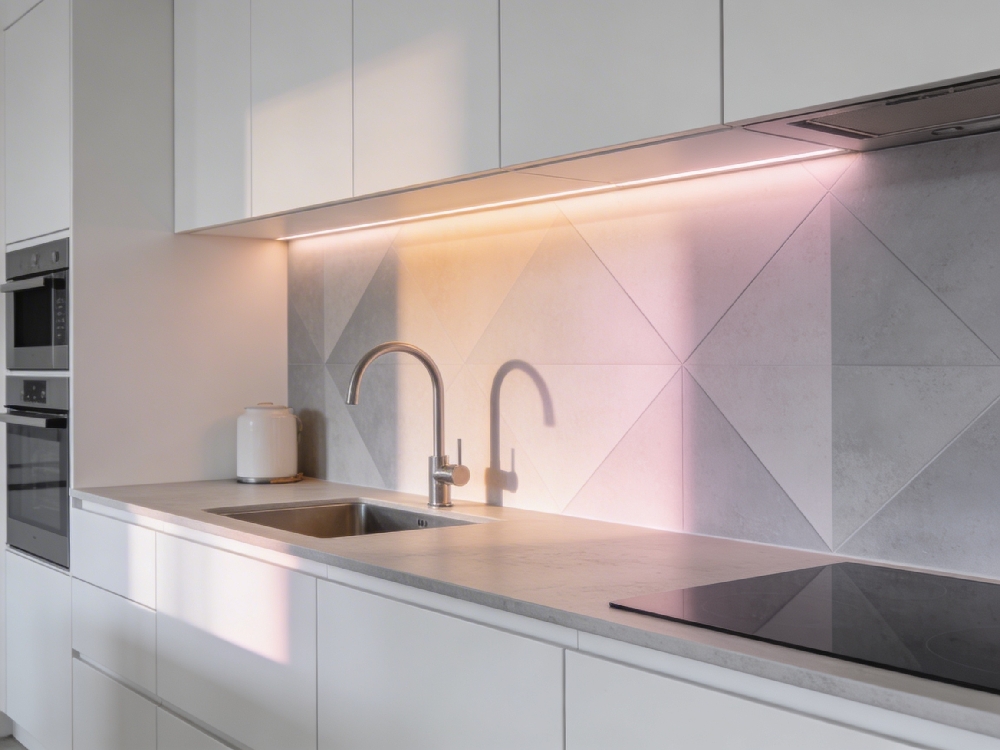
Tiles also offer long service life, but their durability is partly dependent on grout condition. Without periodic sealing and cleaning, grout lines may discolor or weaken, reducing the overall visual lifespan even if the tiles remain intact.
Acrylic provides a shorter functional window. While suitable for low-heat or light-use zones, it is more vulnerable to scratching, heat distortion, and gradual surface wear—making it a practical mid-term rather than lifetime solution.
Factors That Influence Real-World Longevity
Several control points determine whether a splashback reaches its full lifespan:
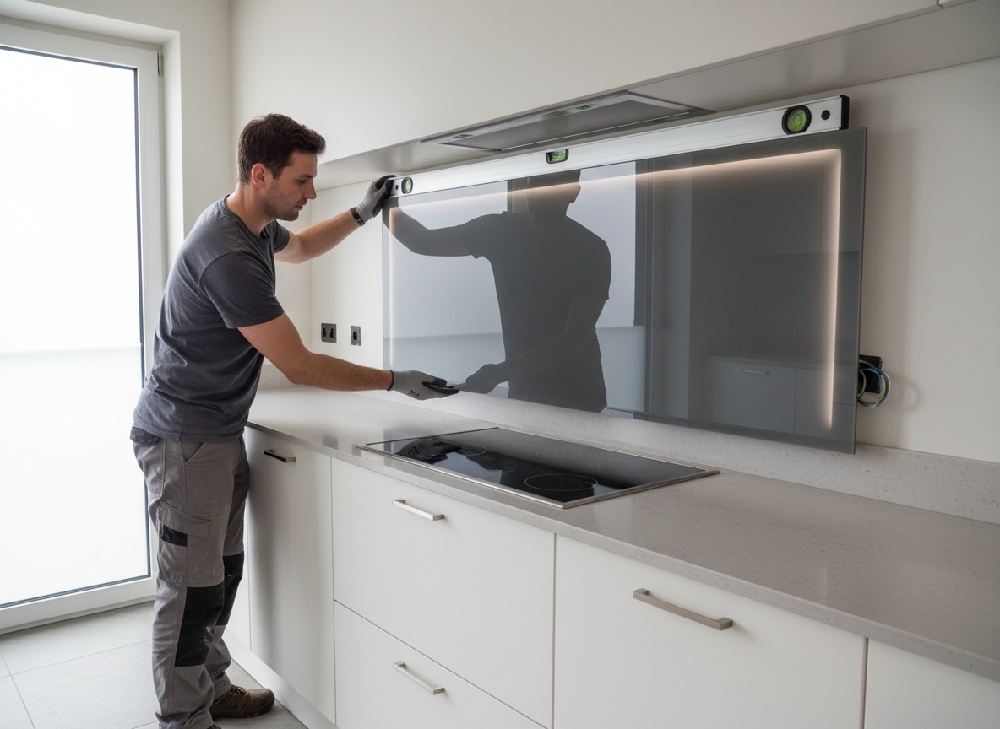
Correct measurement and fit – Prevents stress points and edge damage.
Heat-safe material selection – Essential behind cooktops.
Professional or precise installation – Ensures stable adhesion and spacing.
Routine gentle cleaning – Preserves surface clarity without abrasion.
Homeowners sourcing precision-manufactured panels from DIY Splashbacks often benefit from this alignment of accurate fabrication and durable materials, which supports extended performance.
Visual Lifespan vs Structural Lifespan
A key distinction exists between how long a splashback functions and how long it looks new.
Glass performs strongly in both areas because it resists staining and fading. Tiles may remain structurally sound while appearing aged due to grout discoloration. Acrylic may function adequately but lose surface clarity sooner.
Recognizing this difference helps homeowners choose materials that maintain both performance and presentation over time.
Strategic Takeaway
A high-quality splashback—particularly toughened glass—should last many years, often decades, when supported by correct specification and installation. Rather than viewing splashbacks as short-term décor, modern renovation strategy treats them as long-life architectural surfaces that protect walls, simplify maintenance, and sustain kitchen value.
In practical terms, selecting the right material once can eliminate the need for replacement throughout the entire lifespan of the kitchen.