How Do I Prevent Mould on My Bathroom Splashback?
Mould is not just a cosmetic issue—it’s a performance failure driven by moisture mismanagement. In bathroom environments, your splashback sits at the frontline of water exposure. The objective is simple: eliminate the conditions that allow mould to grow.
What Causes Mould on Bathroom Splashbacks?
Mould forms when moisture, warmth, and organic residue intersect.
Primary triggers:
Constant water exposure from showers and sinks
Poor ventilation trapping humidity
Soap residue and dirt buildup
Gaps in sealant or poorly installed edges
High-risk areas:
Bottom edges of splashbacks
Corners and joints
Around sinks and bathtubs
/openart-image_1774023172014_d0e4b473_1774023172203_e97ab160 (1).jpg)
Choose Materials That Resist Mould
Material selection determines long-term maintenance costs.
Best options:
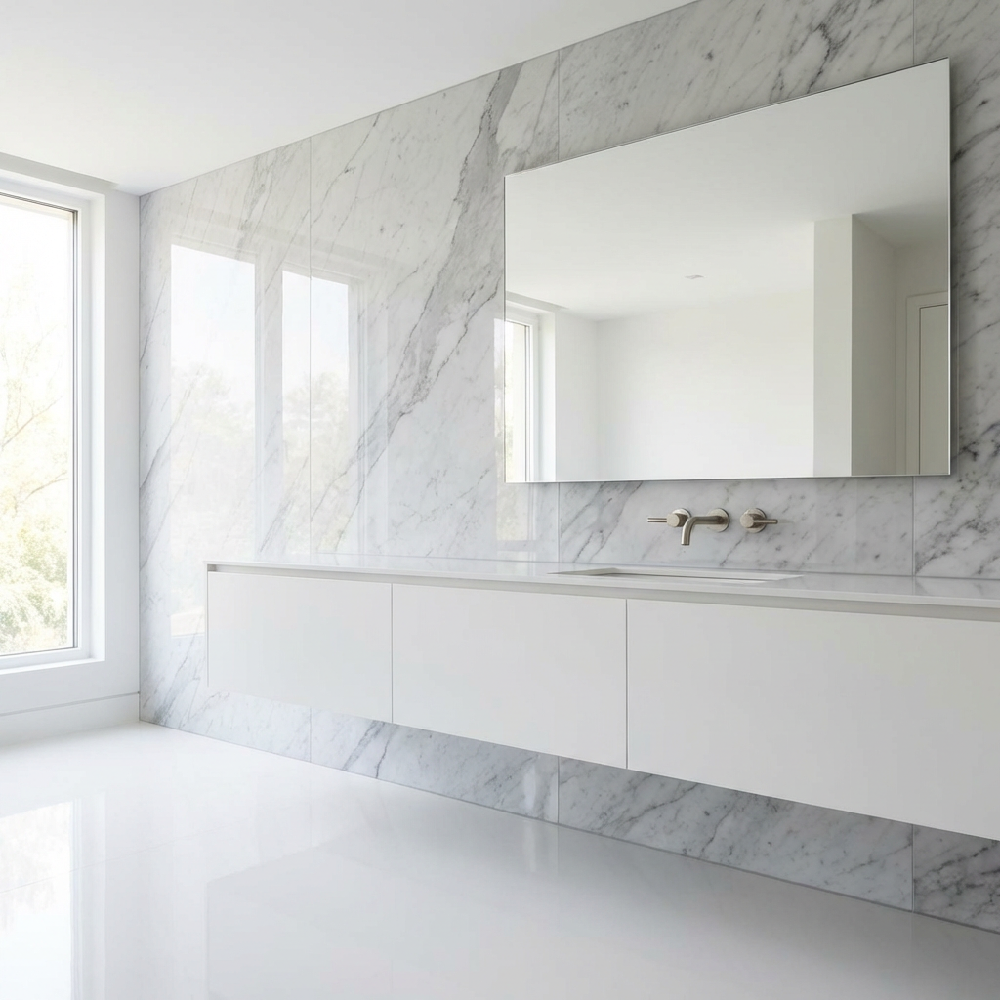
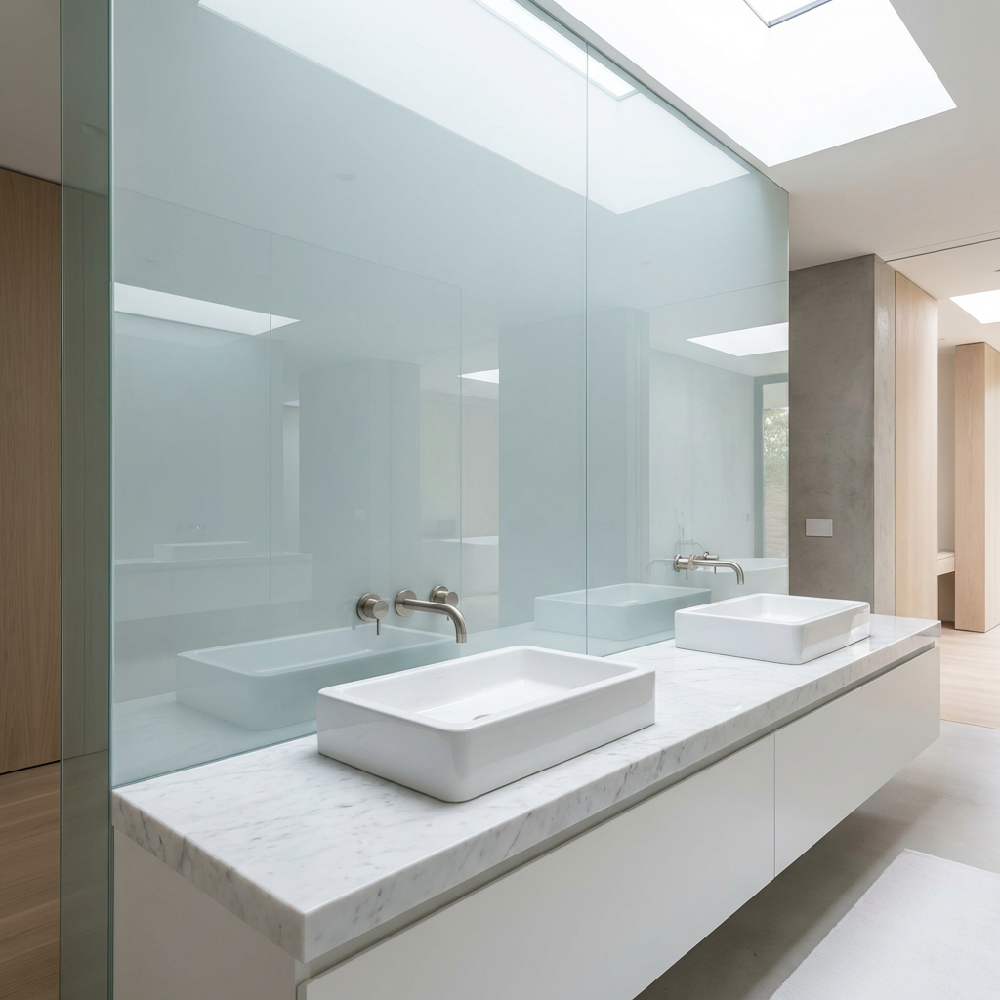
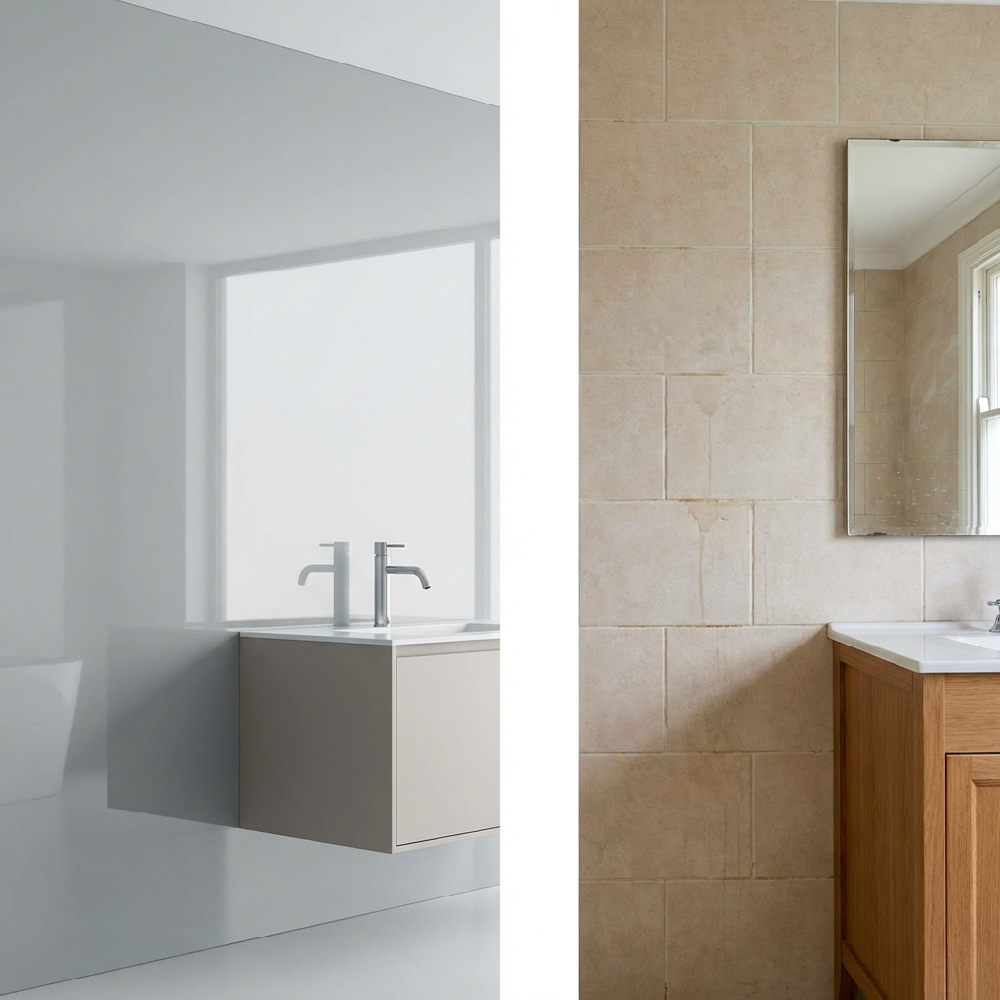
Glass splashbacks – Non-porous, easy to clean
Acrylic panels – Moisture-resistant with minimal seams
Full wall panels – Reduce joints where mould can develop
Less optimal:
Tiles with grout lines (grout absorbs moisture and stains over time)
Strengthen Ventilation Strategy
Ventilation is your primary control mechanism.
Execution plan:
Install or upgrade an extractor fan
Run it during and at least 15–20 minutes after showers
Open windows where possible
Use a dehumidifier in enclosed spaces
Without airflow, even premium splashbacks will fail over time.
Use Anti-Mould Sealants
Sealants are often the weakest link.
Best practices:
Use high-quality anti-mould silicone
Replace sealant every 12–24 months
Ensure tight, gap-free application
Degraded sealant allows moisture behind the splashback—this is where hidden mould thrives.
Adopt a Daily Drying Routine
A simple habit delivers outsized results.
Daily actions:
Wipe down the splashback after showers
Use a squeegee or dry cloth
Focus on edges and corners
This eliminates moisture before mould can develop.
Clean Strategically, Not Occasionally
Cleaning is not a one-off task—it’s a control cycle.
Recommended routine:
Weekly clean with anti-mould spray
Natural option: vinegar and water solution
Avoid abrasive scrubbers that damage surfaces
Consistency prevents buildup and reduces deep cleaning needs.
Control Condensation at Source
Condensation is a silent contributor to mould growth.
Mitigation tactics:
Reduce excessively hot, steamy showers
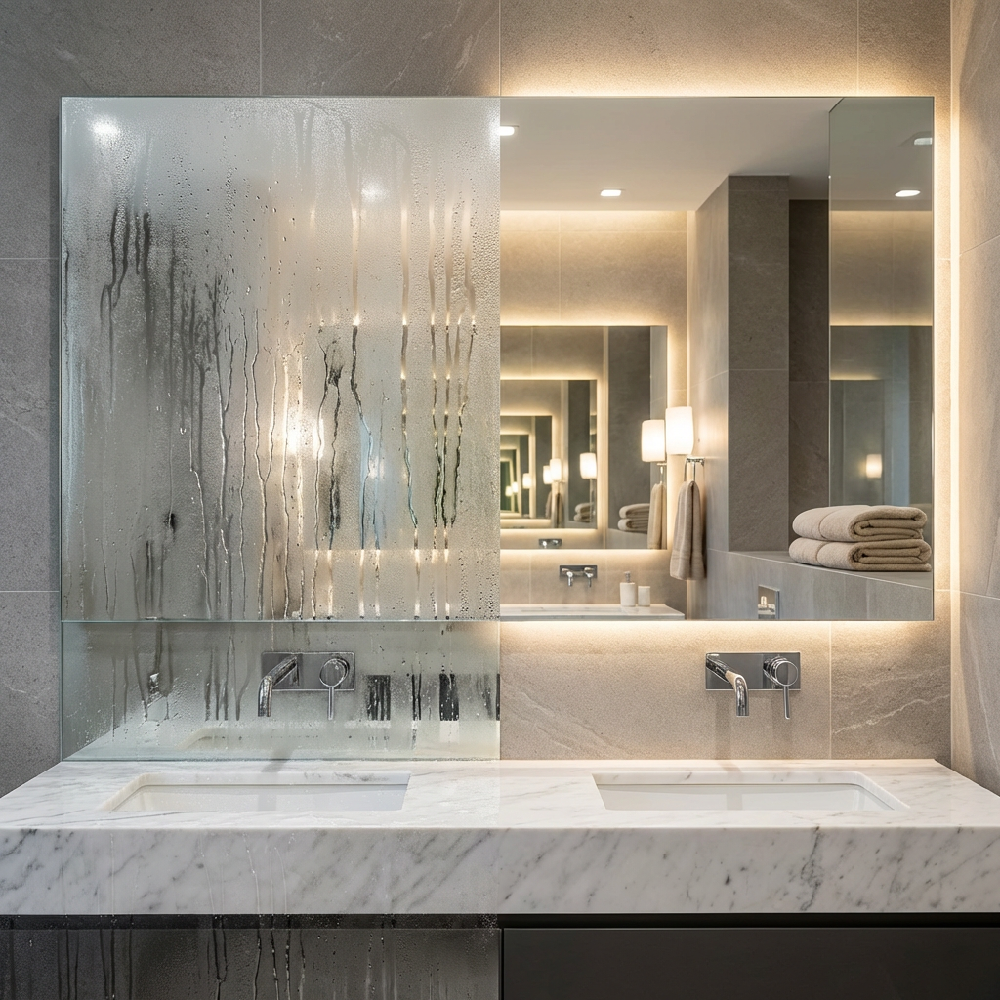
Install anti-condensation coatings (for glass)
Improve insulation in colder bathrooms
Less condensation = less moisture available for mould.
Final Takeaway
Preventing mould on your bathroom splashback is about system control, not reactive fixes.
High-performance setup includes:
Non-porous materials
Minimal joints
Strong ventilation
Consistent maintenance
When executed correctly, mould becomes a non-issue rather than a recurring problem.