
How Long Do Glass Splashbacks Last? A Realistic Look at Durability
Short answer: a properly installed glass splashback can last decades without losing performance or appearance.
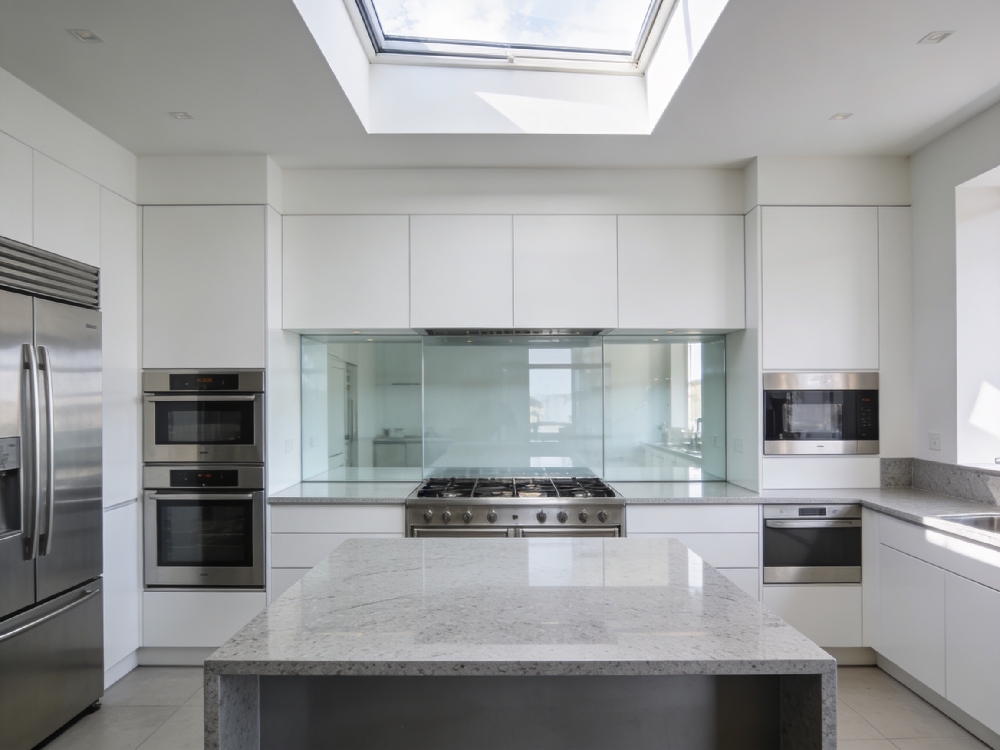
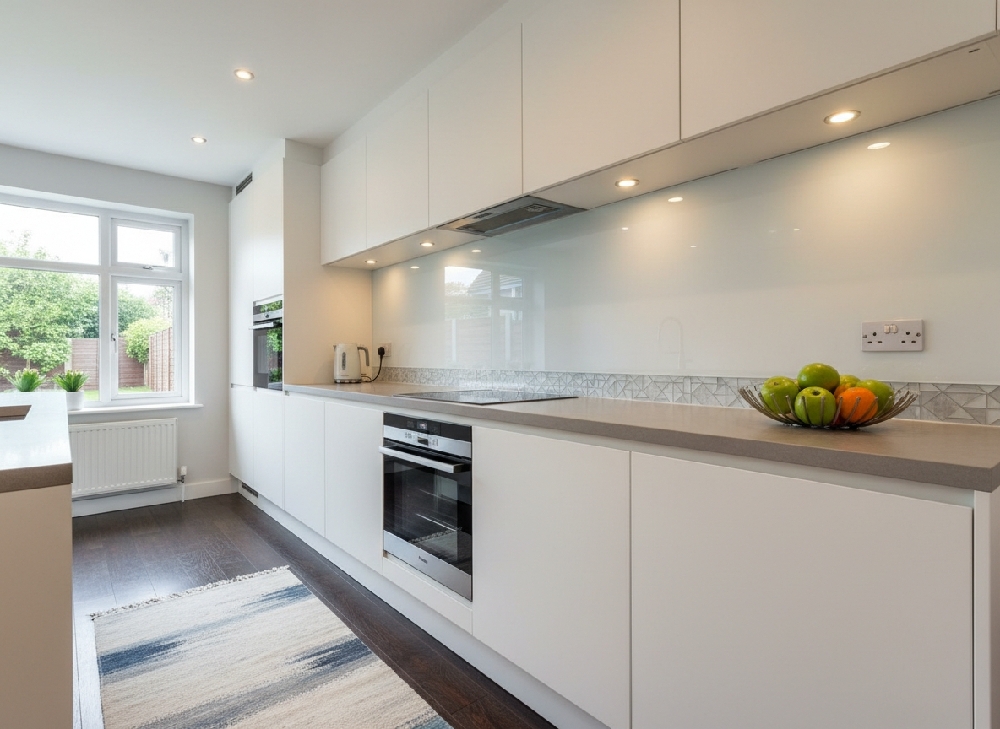
For many homeowners, longevity is just as important as style. A kitchen upgrade should not only look modern today but continue delivering value years down the line. Glass splashbacks meet that expectation because they combine traditional wall protection principles with modern toughened-glass engineering.
Why Glass Splashbacks Have Such a Long Lifespan
Durability begins with the material itself.
Most quality splashbacks are made from 6 mm toughened glass, which is designed to withstand:
Daily cooking heat
Moisture and steam exposure
Impact from normal kitchen use
Cleaning without surface damage
Unlike painted walls or grout-based tiles, glass does not absorb stains or deteriorate through routine cleaning. This structural stability is the foundation of its long service life.
What “Decades” Really Means in Practice
In real kitchens, longevity depends on installation quality and correct specification rather than age alone.
A correctly produced and installed splashback can:
Maintain color without fading
Resist cracking under normal heat conditions
Stay hygienic with minimal maintenance
Require no sealing or refinishing over time
Because there are no grout lines to degrade, the visual condition after many years often looks close to new. This predictable performance is why suppliers such as DIY Splashbacks continue to standardize around proven materials and thickness.
Factors That Can Shorten Lifespan
Although glass is highly durable, certain avoidable issues can reduce longevity:
Incorrect measurements causing installation stress
Poor wall preparation or uneven surfaces
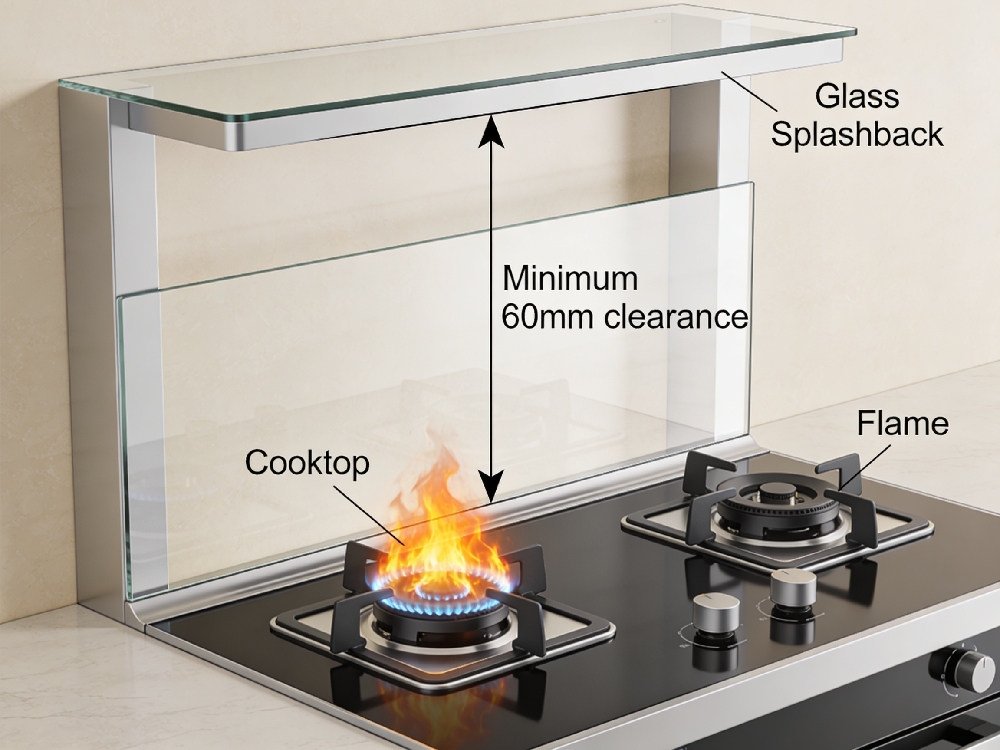
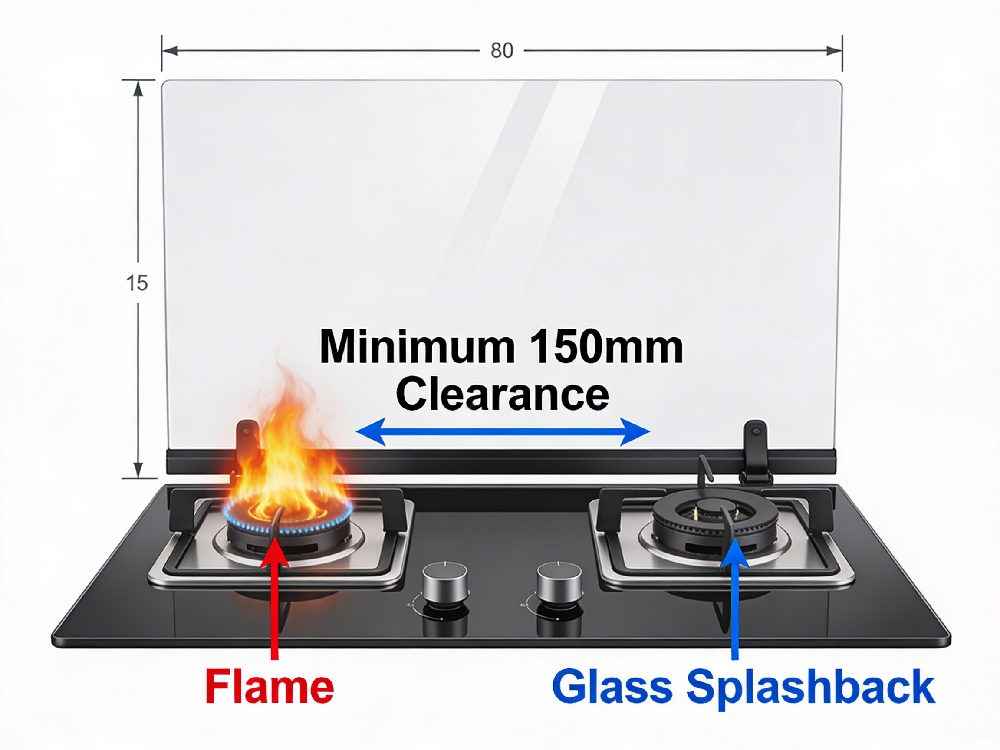
Insufficient clearance from direct gas flame contact
Attempting to modify toughened glass after manufacture
These problems relate to process, not the glass itself. When best practices are followed, failure is uncommon.
How Glass Compares to Tiles Over Time
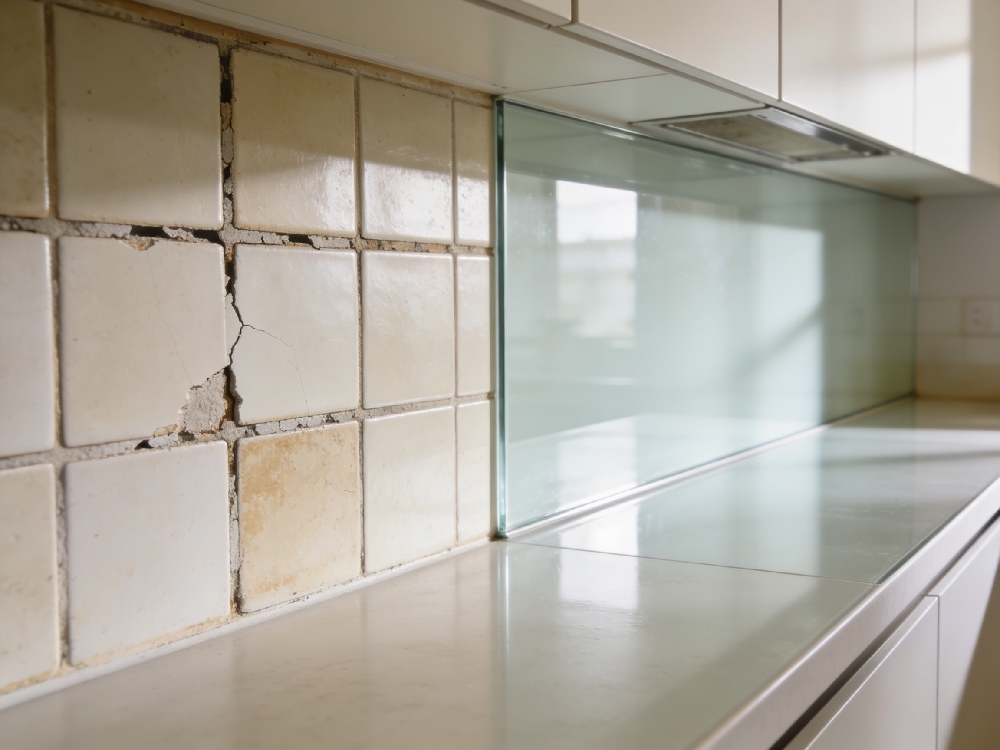
Traditional tiled splashbacks remain functional, but aging typically shows through:
Discolored or cracked grout
Mold in damp joints
Surface wear from aggressive cleaning
Glass eliminates these weak points. The absence of grout is one of the key reasons modern kitchens increasingly favor seamless panels over segmented tile systems.
Maintenance and Long-Term Appearance
Keeping a glass splashback in good condition is straightforward:
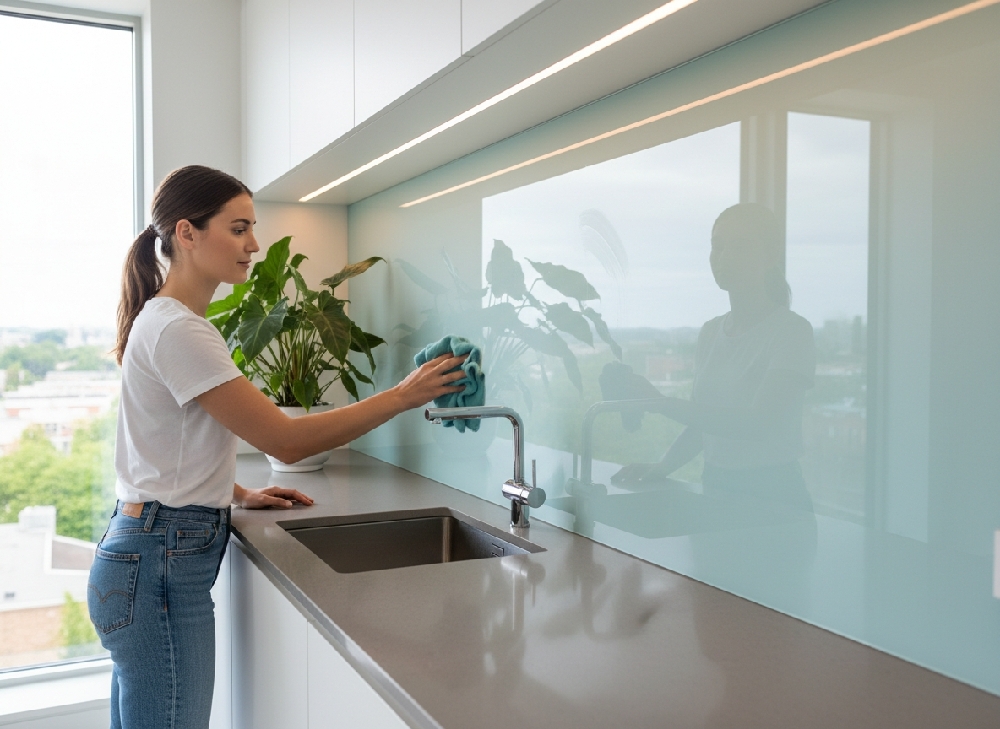
Wipe with a soft cloth and mild cleaner
Avoid abrasive pads
Maintain safe clearance from open flame
Because the surface is non-porous, routine cleaning is enough to preserve both hygiene and shine for many years.
Final Takeaway
A well-made glass splashback is not a short-term decorative feature—it is a long-term structural upgrade.
With 6 mm toughened glass, correct measurements, and proper installation, homeowners can reasonably expect decades of reliable performance with minimal maintenance.
That combination of durability, hygiene, and visual stability explains why glass splashbacks—especially those produced by experienced providers like DIY Splashbacks—remain a trusted solution in both traditional and modern kitchen design.