RSS

Blog

Can You Put a Glass Splashback on Top of Tiles? Everything You Need to Know

Can You Put a Glass Splashback on Top of Tiles? Everything You Need to Know

When renovating your kitchen or bathroom, you might find yourself wondering whether you can install a sleek glass splashback over your existing tiles. The good news is that in many cases, the answer is yes – but there are important considerations to keep in mind before diving into this project.

The Short Answer: Yes, But With Conditions

You can install a glass splashback over tiles, but success depends on several key factors including the condition of your existing tiles, the type of adhesive used, and proper surface preparation. While it's technically possible, it's not always the best approach for every situation.

When Installing Over Tiles Works Well

Ideal Conditions for Tile-Over Installation

Installing glass splashbacks over existing tiles works best when your current tiles are in excellent condition. The tiles should be firmly attached to the wall with no loose pieces, cracks, or signs of water damage. Flat, smooth ceramic or porcelain tiles provide the ideal surface for this type of installation.

Small format tiles with minimal grout lines tend to work better than large tiles with deep grout joints. The more level and uniform your existing surface, the better your glass splashback will adhere and look once installed.

Benefits of This Approach

The primary advantage of installing over existing tiles is convenience and cost savings. You'll avoid the messy, time-consuming process of tile removal, which can damage walls and require extensive repairs. This approach also reduces waste and can be completed more quickly than a full removal and replacement project.

For rental properties or situations where you want a temporary upgrade, installing over tiles can be an attractive option that doesn't permanently alter the underlying structure.

Challenges and Potential Problems

Surface Preparation Requirements

The biggest challenge when installing glass over tiles lies in surface preparation. Grout lines create an uneven surface that must be properly addressed to ensure the glass adheres correctly. If the grout joints are deep or the tiles are textured, you may need to apply a leveling compound or primer specifically designed for this type of installation.

Any loose grout should be removed and replaced, and the entire surface must be thoroughly cleaned and degreased. Even small imperfections can create air bubbles or weak spots that may cause the splashback to fail over time.

Weight and Support Considerations

Glass splashbacks are heavier than many people realize, and adding this weight to an existing tiled surface requires careful consideration of the wall's load-bearing capacity. If your tiles are already showing signs of stress or if the wall substrate is questionable, adding a glass splashback could exacerbate existing problems.

The adhesive bond is only as strong as the weakest link in the chain – if your existing tiles aren't perfectly secure, the entire installation could fail.

Professional Installation vs. DIY

When to Call the Professionals

While some experienced DIYers might tackle this project, professional installation is often worth the investment when installing over tiles. Professionals have access to specialized adhesives and techniques that ensure proper bonding to irregular surfaces. They can also assess whether your existing tiles are suitable for this type of installation.

Professional installers typically offer warranties on their work, providing peace of mind that a DIY installation might not provide. If your splashback fails due to improper installation, the cost of removal and reinstallation often exceeds the initial savings of doing it yourself.

DIY Considerations

If you decide to proceed with a DIY installation, invest in high-quality structural adhesive specifically designed for glass-to-tile applications. Standard construction adhesive may not provide adequate bonding strength for this application.

Take time to properly assess your existing tiles and be honest about their condition. If there are any doubts about the stability of your current installation, it's better to remove the tiles and start fresh.

Alternative Solutions to Consider

Complete Tile Removal

In many cases, removing existing tiles and starting with a clean, flat surface produces better long-term results. While this approach requires more time and effort upfront, it eliminates potential bonding issues and ensures your glass splashback has the best possible foundation.

Modern tile removal tools and techniques have made this process more manageable for DIY enthusiasts, and the superior end result often justifies the additional work.

Other Splashback Materials

If installing glass over your existing tiles seems problematic, consider alternative splashback materials that are more forgiving of uneven surfaces. Stainless steel, acrylic panels, or even painted glass alternatives might be easier to install over tiles while still providing an updated, modern look.

Making the Right Decision for Your Project

The decision to install a glass splashback over existing tiles depends on your specific situation, budget, and long-term goals. If your tiles are in excellent condition and you're comfortable with the potential risks, this approach can provide beautiful results at a lower cost than complete removal.

However, if you're planning to stay in your home long-term or if your existing tiles show any signs of problems, investing in proper tile removal and surface preparation will likely provide better results and peace of mind.

Before making your final decision, consider consulting with a professional installer who can assess your specific situation and provide personalized recommendations based on your tiles' condition and your project goals.

Conclusion

While you can put a glass splashback on top of tiles, success requires careful planning, proper materials, and realistic expectations about the challenges involved. Whether you choose to install over existing tiles or start fresh with a clean surface, the key is making an informed decision based on your specific circumstances and long-term objectives.

Remember that a splashback is not just a design element – it's a functional component that needs to perform reliably for years to come. Taking the time to do it right, whether that means working over tiles or starting from scratch, will ensure you get the beautiful, durable result you're looking for.

How to Stick a Glass Splashback to a Wall: A Complete Installation Guide

How to Stick a Glass Splashback to a Wall: A Complete Installation Guide

Glass splashbacks have become increasingly popular in modern kitchens and bathrooms, offering a sleek, hygienic, and easy-to-clean alternative to traditional tiles. While professional installation is often recommended, many homeowners can successfully install glass splashbacks themselves with the right preparation, tools, and technique. This comprehensive guide will walk you through the entire process.

What You'll Need

Tools Required

  • Spirit level (at least 600mm long)
  • Measuring tape
  • Pencil for marking
  • Electric drill with masonry bits
  • Screwdriver
  • Clean cloths and paper towels
  • Rubber gloves
  • Safety glasses
  • Dust mask

Materials Needed

  • Glass splashback (pre-cut to size)
  • Wall plugs and screws (if using mechanical fixings)
  • Neutral cure silicone sealant (clear or matching color)
  • Degreasing agent or methylated spirits
  • Masking tape

Step 1: Preparation is Key

Measure and Plan

Before anything else, carefully measure your wall space and ensure your glass splashback is the correct size. Double-check all measurements, as glass cannot be easily trimmed once purchased. Consider the position of electrical outlets, switches, and any fixtures that may affect installation.

Prepare the Wall Surface

The wall surface must be completely flat, clean, and dry. Remove any old tiles, wallpaper, or loose paint. Fill any holes or cracks with appropriate filler and sand smooth once dry. The wall should be painted with a suitable primer and paint before installation, as you won't be able to paint behind the glass once it's installed.

Check for Level and Plumb

Use your spirit level to check that the wall is perfectly vertical and that any horizontal surfaces (like countertops) are level. Any irregularities will be magnified once the glass is installed.

Step 2: Mark Your Position

Using your measuring tape and spirit level, carefully mark the exact position where your glass splashback will be installed. Use a pencil to mark the corners and create reference lines. Double-check these measurements against your glass panel.

If you're installing multiple panels, ensure the gaps between them are consistent and level. Typically, a 2-3mm gap is left between panels for expansion and sealant.

Step 3: Apply the Adhesive

Choose the Right Adhesive

For glass splashbacks, use a high-quality Neutral cure silicone sealant. Avoid standard construction adhesives, as they may not provide adequate bond strength or could damage the glass backing.

Application Technique

Apply the adhesive in vertical strips or dots across the back of the glass, approximately 150-200mm apart. Avoid applying adhesive too close to the edges, as it may squeeze out when pressure is applied. Leave the adhesive about 25mm from all edges.

For areas behind cooktops or other heat sources, ensure your adhesive is rated for high temperatures.

Step 4: Position and Secure

Lifting and Positioning

Glass splashbacks can be heavy and awkward to handle. If possible, have a helper assist with positioning. Lift the glass carefully, avoiding twisting or bending, and align it with your marked reference points.

Apply Pressure

Once positioned correctly, apply firm, even pressure across the entire surface of the glass. Use a clean, flat tool like a wallpaper smoothing brush or rubber roller to ensure good contact between the adhesive and wall. Work from the center outward to expel any air bubbles.

Check Alignment

Continuously check that the glass remains level and properly aligned during this process. You typically have 10-15 minutes of working time before the adhesive begins to set, depending on temperature and humidity.

Step 5: Temporary Support (If Needed)

For larger or heavier panels, you may need temporary support while the adhesive cures. This can be achieved using:

  • Temporary brackets screwed into the wall below the glass
  • Props or supports from the floor
  • Masking tape to hold edges in place

Ensure any temporary supports don't put stress on the glass that could cause cracking.

Step 6: Seal the Edges

Once the glass is securely positioned and the adhesive has had time to set (usually 24 hours), apply silicone sealant around all edges. This prevents moisture ingress and provides a professional finish.

Use masking tape to create clean, straight lines, and tool the sealant with your finger or a specialized tool for a smooth finish. Remove the masking tape while the sealant is still wet.

Step 7: Final Cleaning

Clean the glass surface with a suitable glass cleaner, removing any fingerprints, adhesive residue, or sealant smears. Use a lint-free cloth for the best finish.

Important Safety Considerations

Glass Handling

Always wear safety glasses and gloves when handling glass. Toughened glass, while safer than standard glass, can still cause injury if it breaks. Never carry glass panels on your own if they're large or heavy.

Electrical Safety

If your installation area includes electrical outlets or switches, ensure the power is turned off before beginning work. Consider having an electrician relocate or extend outlets if necessary.

Weight Limitations

Ensure your wall can support the weight of the glass splashback. Plasterboard walls may require additional reinforcement or different fixing methods.

Common Mistakes to Avoid

Poor Surface Preparation

Rushing the wall preparation stage is the most common cause of installation failure. Take time to ensure the surface is perfectly clean, flat, and dry.

Incorrect Adhesive Choice

Using the wrong type of adhesive can result in poor adhesion or damage to the glass backing. Always use products specifically designed for glass applications.

Inadequate Support During Curing

Failing to provide adequate support while the adhesive cures can result in the glass sliding or falling, potentially causing injury and damage.

Over-application of Sealant

Applying too much sealant around edges can create an unprofessional appearance and may be difficult to clean.

Maintenance Tips

Once installed, glass splashbacks are relatively low-maintenance. Clean regularly with appropriate glass cleaners, avoid abrasive cleaners or tools that could scratch the surface, and check sealant periodically for any signs of deterioration.

When to Call a Professional

While many homeowners can successfully install glass splashbacks, consider professional installation if:

  • You're working with very large or heavy panels
  • Complex cuts around outlets or fixtures are required
  • You're uncomfortable working with glass
  • The installation involves structural modifications
  • Local building codes require professional installation

Conclusion

Installing a glass splashback can transform your kitchen or bathroom while providing a practical, hygienic surface that's easy to maintain. With careful preparation, the right materials, and attention to detail, this can be a rewarding DIY project. Remember that patience during the preparation and curing stages is crucial for a successful, long-lasting installation.

The key to success lies in thorough preparation, using quality materials, and taking your time throughout each step of the process. If you're unsure about any aspect of the installation, don't hesitate to consult with professionals who can ensure your splashback is installed safely and correctly.

Are Glass Splashbacks Worth It? A Complete Guide to Making the Right Choice

Are Glass Splashbacks Worth It? A Complete Guide to Making the Right Choice

When renovating your kitchen, the splashback might seem like a minor detail compared to choosing cabinets or appliances. However, this seemingly small design element can dramatically impact both the functionality and aesthetics of your space. Glass splashbacks have surged in popularity over recent years, but are they actually worth the investment? Let's explore everything you need to know to make an informed decision.

What Are Glass Splashbacks?

Glass splashbacks are protective panels installed behind cooktops, sinks, and work surfaces to shield walls from water, grease, and food splatters. Unlike traditional tiles, they consist of a single sheet of toughened glass that's custom-cut to fit your kitchen's dimensions. They can be clear, coloured, printed with patterns, or even back-painted in virtually any shade you can imagine.

The Compelling Advantages

Seamless Cleanliness

Perhaps the most significant advantage of glass splashbacks is their hygiene factor. With no grout lines or joints where bacteria and grime can accumulate, cleaning becomes remarkably simple. A quick wipe with glass cleaner or even just soapy water restores them to their original sparkle. This makes them particularly appealing for serious home cooks who deal with frequent splattering and steam.

Visual Impact

Glass splashbacks create an undeniable sense of space and light in your kitchen. They reflect natural light around the room, making even compact kitchens feel more open and bright. The seamless surface creates clean, uninterrupted lines that work beautifully with both modern and traditional kitchen designs. When back-painted in bold colors, they can serve as stunning feature walls that tie your entire color scheme together.

Durability That Lasts

Made from toughened safety glass, these splashbacks are built to withstand the daily rigors of kitchen life. They resist heat, won't fade from sunlight exposure, and maintain their appearance for decades. Unlike painted walls that might need touch-ups or tiles that can crack, glass splashbacks offer genuine longevity.

Customization Options

The design possibilities are virtually endless. You can choose from clear glass that showcases beautiful wall colors or textures behind it, solid colors that make bold statements, or even printed designs including photography, patterns, or artistic motifs. Some manufacturers offer anti-glare coatings or textured finishes for added functionality and visual interest.

The Potential Drawbacks

Higher Initial Investment

Glass splashbacks typically cost more upfront than ceramic tiles or painted surfaces. Custom cutting, professional installation, and the specialized materials involved contribute to higher initial expenses. However, many homeowners find this cost is offset by the longevity and reduced maintenance requirements over time.

Professional Installation Required

Unlike tiles that skilled DIYers might tackle themselves, glass splashbacks require professional measurement and installation. The glass must be precisely cut to accommodate outlets, switches, and fixtures, leaving no room for error. This necessity for professional service adds to the overall project cost.

Showing Every Mark

While glass is easy to clean, it also shows every fingerprint, water spot, and smudge more readily than textured surfaces. Households with young children or those who prefer low-maintenance surfaces might find the frequent cleaning requirements frustrating.

Limited Repair Options

If damaged, glass splashbacks typically need complete replacement rather than simple repairs. While the toughened glass is quite durable, a significant impact could necessitate replacing an entire panel, which can be costly and inconvenient.

Cost Considerations

Glass splashback costs vary significantly based on size, customization, and installation complexity. Basic clear glass typically starts around £100-150 per square meter, while colored or printed options can range from £200-400 per square meter. Factor in professional installation costs of £100-200, and a typical kitchen splashback might cost £600-1,500 total.

While this represents a significant investment compared to standard tiles (£30-80 per square meter), many homeowners find the long-term benefits justify the initial expense.

Making the Decision: Are They Right for You?

Glass splashbacks are particularly worthwhile if you:

  • Value easy maintenance and superior hygiene
  • Want to maximize light and create a sense of space
  • Appreciate modern, streamlined aesthetics
  • Plan to stay in your home long-term to benefit from their durability
  • Enjoy bold design statements or custom visual elements

They might not be the best choice if you:

  • Have a limited renovation budget
  • Prefer DIY installation options
  • Don't mind regular grout cleaning and maintenance
  • Worry about showing fingerprints and water marks
  • Live in a rental property or plan to move soon

The Bottom Line

Glass splashbacks represent a premium kitchen feature that delivers genuine practical and aesthetic benefits. While they require a higher initial investment than traditional alternatives, their combination of easy maintenance, durability, and visual impact makes them a worthwhile upgrade for many homeowners.

The key is ensuring they align with your lifestyle, budget, and design preferences. If you value sleek, modern aesthetics and appreciate the convenience of easy cleaning, glass splashbacks can be an excellent long-term investment that enhances both your daily kitchen experience and your home's value.

Before making your final decision, visit kitchen showrooms to see various glass splashback options in person, get multiple quotes from reputable installers, and consider how the investment fits into your overall renovation budget. With proper planning, a glass splashback can become one of your kitchen's most satisfying and enduring features.

Stunning Glass Splashbacks: 15 Reasons They’re a Must-Have for Modern Kitchens (2025 Guide)

Introduction to Glass Splashbacks

If you’re redesigning your kitchen in 2025, one feature that continues to stand out in modern homes is glass splashbacks. Not only do they provide a sleek, contemporary look, but they’re also practical, hygienic, and incredibly easy to maintain. Unlike traditional tiles that can trap grease and dirt in grout lines, glass offers a seamless finish that’s both stylish and functional.

More homeowners are now turning to DIY Splashbacks (diysplashbacks.co.uk) to get customized designs delivered straight to their doors—making it easier than ever to achieve a designer kitchen look without the hefty price tag.


Why Choose Glass Splashbacks Over Tiles or Acrylic?

Durability and Longevity

Glass splashbacks are built to last. With toughened safety glass, they can withstand daily wear and tear, heat from cooking, and moisture from kitchen activities without cracking or warping.

Hygienic and Easy to Clean

Say goodbye to scrubbing dirty grout lines. A quick wipe with a microfiber cloth keeps glass spotless, making it perfect for busy households.

Sleek and Modern Aesthetic

Whether you prefer bold colours, subtle shades, or mirrored finishes, glass splashbacks offer a luxury aesthetic that instantly elevates your kitchen design.


The Benefits of Installing Glass Splashbacks

Heat and Moisture Resistance

Unlike acrylic, which can warp, glass remains unaffected by steam, splashes, and direct heat from hobs.

Wide Range of Custom Colours and Designs

From classic neutrals to vibrant printed patterns, DIY Splashbacks allows you to personalize your splashback to suit your unique taste.

Adds Light and Space to Your Kitchen

Reflective surfaces create an illusion of space, making even compact kitchens feel more open and airy.


Kitchen Design Trends with Glass Splashbacks (2025 Edition)

Bold Colour Choices

Deep blues, forest greens, and matte blacks are trending for homeowners seeking a dramatic statement.

Printed and Patterned Splashbacks

DIY Splashbacks offers digitally printed designs, including cityscapes, nature scenes, and geometric patterns, perfect for adding character.

Metallic and Mirror Finishes

Mirror splashbacks are on the rise, giving kitchens a glamorous, high-end vibe.

Quatrefoil Mirror Splashback


Custom Glass Splashbacks from DIY Splashbacks

If you want a splashback tailored to your kitchen, DIY Splashbacks is the go-to supplier in the UK.

Made-to-Measure Options

No two kitchens are alike. DIY Splashbacks provides bespoke sizing to ensure a perfect fit, whether for a compact apartment or a spacious open-plan home.

Online Ordering Process

Their website makes it easy—simply input your measurements, choose your design, and order online.

Affordable and Professional Quality

Compared to hiring a specialist, DIY Splashbacks offers premium quality at a fraction of the cost.


Step-by-Step Guide: How to Install a Glass Splashback Yourself

DIY Splashbacks products are designed for easy self-installation.

Tools and Materials You’ll Need

  • Spirit level

  • Adhesive/sealant

  • Measuring tape

  • Safety gloves

Measuring and Preparing Your Wall

Accurate measurements are key. Ensure your wall is flat, dry, and clean before installation.

Fitting and Sealing the Splashback

Apply adhesive evenly, press the glass into place, and seal edges with silicone for a polished finish.

fitting-guide


Cost of Glass Splashbacks in 2025

Factors That Influence Price

  • Size of splashback

  • Choice of colour or print

  • Type of glass (standard, mirror, or toughened)

Comparing DIY vs Professional Installation

Ordering from DIY Splashbacks can save hundreds in labour costs, while still giving you professional-grade results.


Maintenance Tips for Long-Lasting Glass Splashbacks

Cleaning Solutions and Techniques

Use a mild glass cleaner or vinegar-water solution. Avoid abrasive pads.

Preventing Scratches and Damage

Always use chopping boards instead of prepping directly against the splashback.


FAQs About Glass Splashbacks

Q1. Are glass splashbacks heat resistant?
Yes, toughened glass can withstand high cooking temperatures.

Q2. Can I install a glass splashback myself?
Yes! With DIY Splashbacks’ easy-to-follow instructions, many homeowners install them without professional help.

Q3. Do glass splashbacks come in different colours?
Absolutely. DIY Splashbacks offers a wide palette, from solid colours to photo prints.

Q4. How do I measure for a splashback?
Use a tape measure for accurate wall dimensions. DIY Splashbacks’ website provides a step-by-step measuring guide.

Q5. Are glass splashbacks expensive?
Prices vary, but they’re cost-effective compared to tiles when you consider durability and ease of cleaning.

Q6. Where can I buy glass splashbacks online?
You can order directly from DIY Splashbacks, a trusted UK supplier.


Conclusion: Why Glass Splashbacks are the Future of Kitchen Design

Glass splashbacks aren’t just a passing trend—they’re a smart investment for homeowners who want elegance, durability, and easy maintenance. With suppliers like DIY Splashbacks, you can access custom, affordable, and stylish solutions that bring your dream kitchen to life.

Is a Splashback a Good Idea? The Complete Guide

Is a Splashback a Good Idea? The Complete Guide

Kitchen and bathroom renovations can transform your home, but with so many options available, it's challenging to know where to invest your money. One upgrade that consistently delivers both practical benefits and visual appeal is installing a splashback. These protective panels have become increasingly popular among UK homeowners, and for good reason.

A splashback is a protective panel installed behind sinks, hobs, and work surfaces to shield walls from water splashes, grease, and food stains. While they serve a practical purpose, modern splashbacks have evolved into stylish design features that can completely transform a room's appearance. But are they worth the investment? This guide examines the advantages, types, and key considerations to help you decide if a splashback is right for your home.

Key Advantages of Installing Splashbacks

Superior Wall Protection

The primary function of any splashback is protecting your walls from damage. Cooking generates steam, grease splashes, and food particles that can stain or damage painted walls and wallpaper over time. Water splashes from washing up can also cause paint to peel or wallpaper to lift.

A properly installed splashback creates a waterproof barrier that prevents moisture from penetrating wall surfaces. This protection is particularly valuable behind hobs where heat and cooking oils can cause significant damage to unprotected walls. The long-term cost savings from avoiding frequent repainting or wall repairs often justify the initial splashback investment.

Effortless Cleaning and Maintenance

One of the most compelling reasons to install a splashback is the dramatic reduction in cleaning time. Glass and acrylic surfaces can be wiped clean with standard household cleaners, whilst textured wall surfaces trap grease and require scrubbing to remove stains.

Daily maintenance becomes as simple as wiping down the surface with a damp cloth. For tougher stains, a mild detergent quickly restores the surface to its original condition. This ease of cleaning is particularly beneficial in busy kitchens where time-saving solutions are highly valued.

Enhanced Aesthetic Appeal

Modern splashbacks serve as striking design features that can completely transform a space. They offer an opportunity to introduce colour, pattern, or texture that complements your existing décor whilst creating a focal point that draws the eye.

The reflective properties of glass splashbacks can make smaller kitchens appear larger and brighter by bouncing light around the room. This effect is particularly pronounced with lighter colours or mirror finishes that maximise natural light reflection.

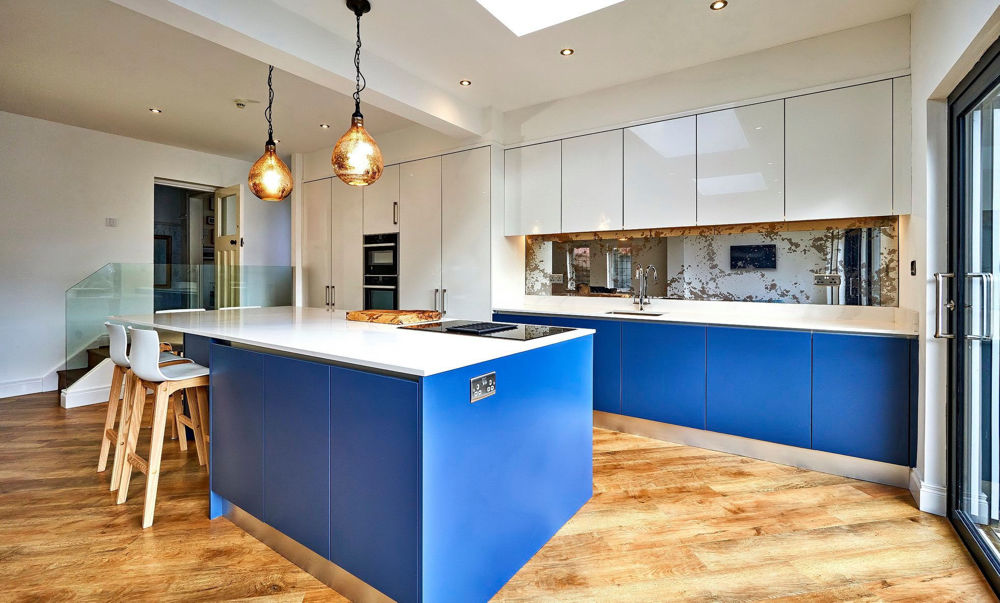
blue splashback fitted

Types of Splashbacks Available

Glass Splashbacks: The Premium Choice

Glass splashbacks represent the most popular and versatile option available to UK homeowners. Made from toughened safety glass, these panels offer exceptional durability and can withstand high temperatures, making them suitable for use behind all types of hobs, including gas cookers.

The customisation options with glass are virtually limitless. You can choose from over 500 colours to match any paint shade, ensuring perfect coordination with your existing décor. Clear glass options provide subtle protection without altering your room's colour scheme, whilst coloured glass can create dramatic design statements.

For those seeking something truly unique, personalised glass splashbacks allow you to incorporate your own images or designs. This option transforms a practical installation into a piece of personalised art that reflects your individual style.

Mirror Splashbacks: Creating Space and Light

Mirror splashbacks offer a sophisticated solution that combines practicality with the illusion of expanded space. Available in various finishes including antique effects, they're particularly effective in smaller kitchens where maximising the sense of space is important.

The reflective surface amplifies both natural and artificial light, creating brighter, more welcoming spaces. This makes mirror splashbacks an excellent choice for kitchens with limited natural light or those with darker colour schemes.

Acrylic Splashbacks: Budget-Friendly Alternative

For those seeking splashback benefits on a tighter budget, acrylic panels offer many advantages of glass at a lower cost. Available in numerous colours with custom sizing options, they provide excellent protection and easy maintenance.

However, acrylic has temperature limitations and isn't recommended for use behind gas or electric hobs. They're perfect for areas behind sinks or as general wall protection in bathrooms where heat resistance isn't required.

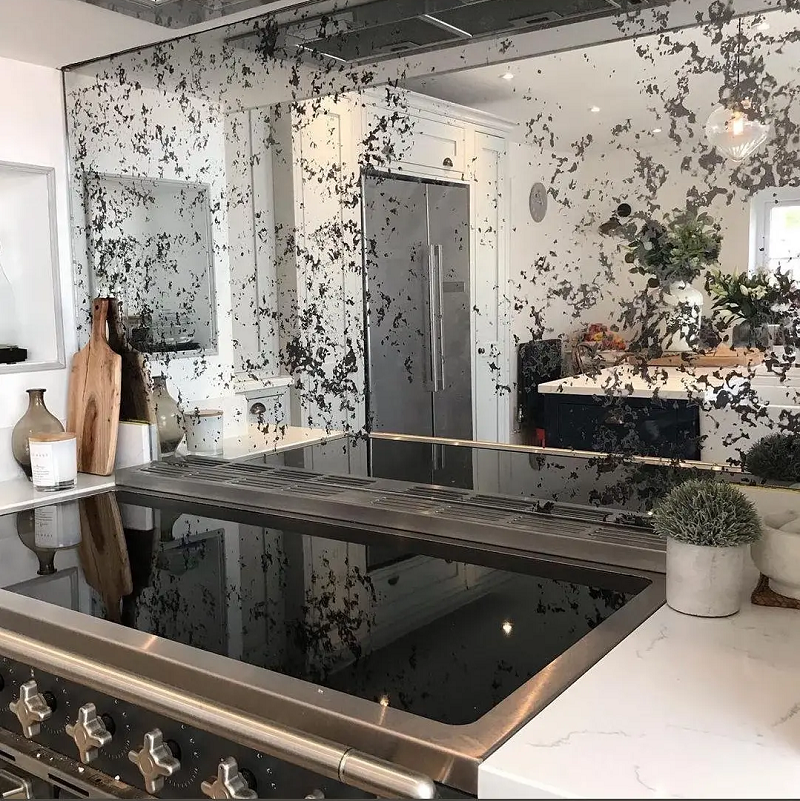
Silver Mirror splashback fitted

Important Considerations Before Installing

Professional Installation vs DIY Approach

When considering splashbacks, installation method significantly impacts both cost and final results. Professional installation ensures perfect fitting and proper mounting, but increases overall project costs.

Many splashback suppliers now provide comprehensive installation guides and all necessary fixings for DIY installation. This approach can substantially reduce costs whilst still achieving professional-looking results. The key is honestly assessing your DIY capabilities and the complexity of your particular installation.

Design Selection and Colour Matching

Choosing the right design requires careful consideration of your existing décor and long-term design plans. Neutral colours offer timeless appeal and flexibility for future décor changes, whilst bold colours create dramatic focal points but may limit future design options.

Many suppliers offer sample services, allowing you to see exactly how colours will look in your specific lighting conditions before committing to a full installation. This small additional cost can prevent expensive mistakes and ensure you're completely satisfied with your choice.

Cost Considerations and Budget Planning

Splashback costs vary significantly based on size, material, and design complexity. Basic coloured glass panels start from around £45, whilst complex printed designs or mirror finishes command premium prices.

When budgeting, consider the long-term value proposition. Higher-quality materials may cost more initially but offer superior durability and easier maintenance over many years. Factor in potential installation costs if you're not planning DIY fitting.

Leading UK Suppliers and Quality Standards

The UK market offers numerous splashback suppliers, but quality and service levels vary considerably. Companies like DIY Splashbacks lead the market with extensive colour ranges, custom sizing options, and comprehensive customer support including installation guidance and sample services.

Look for suppliers offering toughened glass products manufactured to UK safety standards, comprehensive warranties, and clear returns policies. Quality suppliers provide detailed installation instructions and customer support to ensure successful DIY installations.

Making the Right Choice for Your Home

The evidence strongly supports splashbacks as worthwhile home improvements. They provide essential wall protection, dramatically reduce cleaning requirements, and offer opportunities to enhance your room's aesthetic appeal. The key lies in selecting appropriate materials and designs for your specific needs and budget.

Glass splashbacks offer the most versatility and durability, making them ideal for kitchens and high-use areas. Acrylic alternatives work well for bathrooms and areas where heat resistance isn't critical. Mirror options excel where creating illusions of space and light are priorities.

For most UK homeowners undertaking kitchen or bathroom renovations, splashbacks represent excellent value investments that deliver both immediate practical benefits and long-term property value enhancement. Start by requesting samples to see how different options will look in your space, then choose a reputable supplier who can guide you through the selection and installation process.

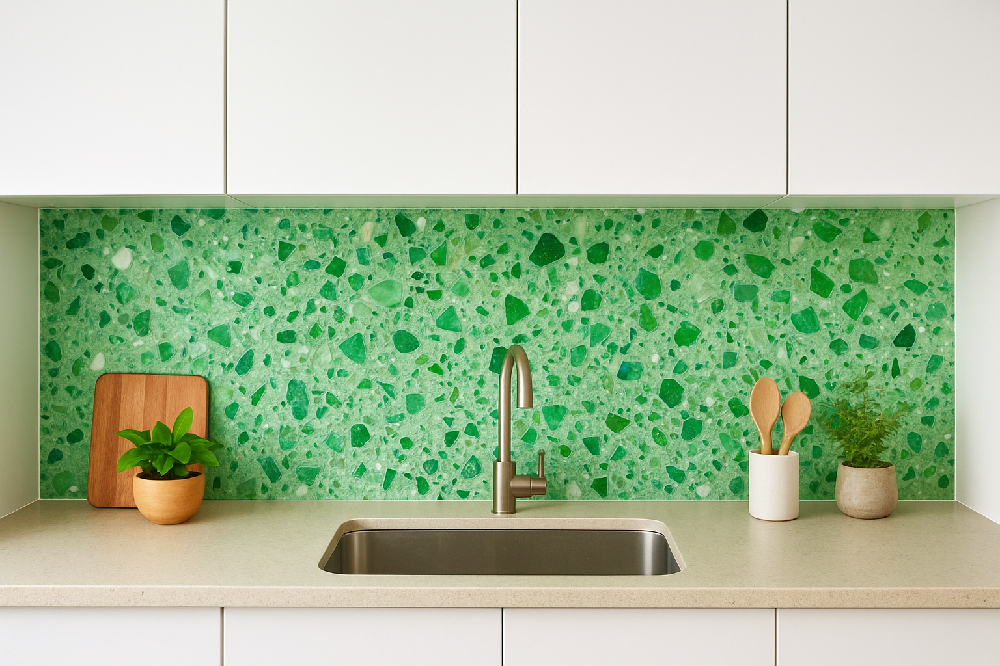
Samples of different glass splashbacks available

Frequently asked questions

When will I receive my order/where is my order?

The simplest way to check the status of your order is making sure you register to create an account when checking out, if you do this you can login at any time and check the current order status. If you checkout as a guest you will not be able to do this, you will need to email us at sales@diysplashbacks.co.uk

Generally speaking though, orders take 7-10 days for stock sizes which are listed below and 3-4 weeks for all other sizes

600mm x 600mm
600mm x 700mm
600mm x 720mm
600mm x 750mm
600mm x 800mm
700mm x 700mm
700mm x 750mm
900mm x 700mm
900mm x 750mm
1000mm x 700mm
1100mm x 750mm

Can I get a price?

Every one of our product pages will give you an instant price, simply enter your sizes in milimetres and the price will instantly update


Why Choose Glass Splashbacks for Your Bathroom? Top Benefits Explained

When redesigning your bathroom, every detail counts, and choosing the right splashback can elevate both functionality and style. Glass splashbacks have become a popular choice among UK homeowners, offering a sleek, modern look that complements any bathroom design. But beyond their aesthetic appeal, they bring a host of practical benefits. Here’s why glass splashbacks might be the perfect addition to your bathroom, and when you might consider acrylic splashbacks instead.

Unmatched durability

Glass splashbacks are crafted from toughened or tempered glass, making them exceptionally durable and resistant to the humid, high-traffic environment of a bathroom. Unlike tiles, which can crack or chip over time, tempered glass is heat-treated to withstand impacts and temperature fluctuations. This resilience ensures they remain intact even when exposed to accidental knocks or the steam from hot showers. With proper installation, a glass splashback can last for decades, making it a long-term investment for your home.

By comparison, acrylic splashbacks for bathrooms offer good impact resistance and are virtually unbreakable, which makes them a budget-friendly alternative. Although not quite as scratch-resistant as glass, modern acrylic sheets come in a wide range of colours and finishes, and they can be a lighter, more flexible option when weight or bespoke shapes are a concern.

Effortless cleaning

Bathrooms are prone to water splashes, soap scum and limescale, but glass splashbacks make maintenance a breeze. Their non-porous surface prevents mould and bacteria from taking hold, a common issue with grout lines in tiled splashbacks. A quick wipe with a damp cloth and a mild detergent is all it takes to keep them sparkling. This ease of cleaning saves time and effort, ensuring your bathroom stays hygienic and fresh without the need for harsh chemicals or scrubbing.

Acrylic splashbacks share this non-porous advantage and are even lighter to handle, but they can be more prone to micro-scratches. To maintain that pristine look, use a soft, non-abrasive cloth and avoid harsh cleaning pads.

Stunning aesthetic appeal

One of the standout features of glass splashbacks is their ability to transform the look of a bathroom. Available in a wide range of colours, finishes and even custom prints, they offer endless design possibilities. Whether you prefer a bold, back-painted hue to create a focal point or a subtle frosted effect for a minimalist vibe, glass splashbacks add a touch of elegance. Their reflective surface also enhances natural light, making small bathrooms feel larger and more open. Unlike tiles, which can feel dated, glass offers a contemporary edge that keeps your space looking modern.

Acrylic options, meanwhile, can mimic gloss or matt finishes and can be printed with murals or patterns, giving you similarly versatile design choices, often at a lower price point. However, for ultra-high gloss and depth of colour, glass remains unmatched.

Additional benefits

Beyond durability, ease of cleaning and aesthetics, glass splashbacks offer other advantages. They are seamless, eliminating the need for grout, which can discolour or degrade over time. This seamless design also makes them ideal for creating a cohesive look with under-mount sinks or integrated shower areas. Furthermore, they are eco-friendly, as glass is recyclable, appealing to environmentally conscious homeowners. Their lightweight nature simplifies installation compared to heavier materials, potentially reducing labour costs.

Acrylic splashbacks also install quickly, many come in single sheets that can be trimmed on-site, making them a convenient choice for speedy renovations.

Considerations for UK homes

In the UK, where damp conditions are a concern, splashbacks shine due to their moisture resistance. Opting for a reputable supplier ensures they meet British safety standards (BS EN 12150 for glass, and relevant BS standards for acrylic). Pairing them with proper ventilation, such as an extractor fan, maximises their longevity. Whether you’re renovating a family bathroom or updating an en-suite, both glass and acrylic splashbacks provide practical yet stylish solutions tailored to British homes.

In summary

Glass splashbacks deliver exceptional durability, effortless cleaning, and a modern aesthetic that stands the test of time. If you’re seeking a lighter, budget-friendly alternative with flexible installation options, acrylic splashbacks for bathrooms merit consideration. Whichever you choose, a high-quality splashback will protect your walls, elevate your décor and make daily maintenance easier, ensuring your bathroom remains both beautiful and functional for years to come.

Splashback 101: Answers to Your Most Common Questions

Splashbacks are a vital addition to any kitchen or bathroom, blending practicality with style. Whether you’re protecting your walls from spills or enhancing your space’s design, you likely have questions about selecting, installing, and caring for a splashback. This blog post provides clear, concise answers to the most common queries, using the latest information available and UK grammar standards. Let’s dive in!

1. What is a splashback, and why do I need one?

A splashback is a panel installed behind areas prone to splashes, like kitchen hobs, sinks, or bathroom basins, to protect walls from water, grease, and stains. Beyond its protective role, it’s a chance to add personality to your space.

Why it’s essential:

  • Wall Protection: Shields against moisture and grime.
  • Hygiene: Easy-to-clean surfaces prevent mould and bacteria.
  • Style: Elevates your room’s aesthetic.

2. What are the most popular splashback materials?

Your choice of material affects both function and look. Here are the top options in 2025:

  • Glass splashbacks are modern and vibrant, and they are available in countless colours. Although they are more expensive, they are heat-resistant and easy to clean.
  • Acrylic Splashbacks: Lightweight, shatterproof, and budget-friendly, mimicking glass but with lower heat resistance.

Quick Tip: Glass and acrylic dominate UK trends for their sleek finish, while stainless steel suits busy kitchens.

3. How do I choose the right splashback?

Picking the perfect splashback means balancing style, practicality, and budget. Consider:

  • Location: Kitchens need heat-resistant options (e.g., glass) near hobs; bathrooms prioritise water resistance (e.g., tiles).
  • Design: Glass or acrylic for modern homes; tiles for traditional charm.
  • Cost: Tiles and acrylic are wallet-friendly; glass and stainless steel offer premium appeal.
  • Upkeep: Glass and steel wipe down easily; tiles require grout care.

Advice: Opt for timeless choices like neutral tiles or glass for lasting appeal.

4. Can I install a splashback myself?

DIY is possible with some materials, but it depends on your skills:

  • Acrylic: Lightweight and cuttable, ideal for beginners with adhesive or screws.
  • Glass: Doable with care, but heavy panels and cutouts may need a pro.

Guidance: Acrylic or tiles suit DIYers; for glass or steel, pros ensure perfection.

5. How do I measure for a splashback?

Accurate measurements prevent headaches. Here’s how:

  1. Width: Measure the full length of the installation area.
  2. Height: Standard is 600mm, but adjust to fit your space (worktop to wall units).
  3. Cutouts: Note positions and sizes of sockets or fixtures.
  4. Verify: Double-check all figures.

Pro Tip: Use a template for tricky shapes or hire a pro for precision.

6. What’s the best installation method?

Installation varies by material:

  • Acrylic: Apply with adhesive or tape on a clean, flat wall.
  • Glass: Use adhesive; screws add security for larger panels.

Essential: Prep the wall, clean and smooth, for a solid fit.

7. How do I care for my splashback?

Keep it pristine with these tips:

  • Glass: Wipe with soapy water and a soft cloth; skip abrasives.
  • Acrylic: Clean gently with mild detergent; harsh chemicals harm it.

Top Tip: Clean spills fast, especially near hobs, to avoid stains.

8. Are splashbacks heat-resistant?

Heat tolerance matters near cooktops:

  • Glass: Toughened glass handles high heat safely.
  • Acrylic: Less resistant; keep 100mm from hobs.

Note: Check manufacturer specs, especially for acrylic.

9. Can I customise the splashback?

Absolutely! Options include:

  • Glass: Pick any colour or add printed designs.
  • Acrylic: Offers similar custom finishes.

Idea: Try a printed glass splashback with a personal touch.

10. How much do splashbacks cost?

Prices depend on material and installation:

  • Acrylic: £50–£150/m².
  • Glass: £100–£300/m².

Save Smart: Acrylic mimics glass at a lower cost.

11. Do I need to seal my splashback?

Sealing applies mostly to tiles

12. Can I install over existing tiles?

Yes, with caveats:

  • Acrylic/Glass: Fine if tiles are secure and flat.

Best Approach: Strip tiles for a fresh, even base.

13. How long do splashbacks last?

Durability depends on care:

  • Glass: 10–15+ years.
  • Acrylic: 5–10 years.

Extend life: choose quality and maintain it well.

14. Are there UK regulations to follow?

Yes, especially near hobs:

  • Heat: Use non-combustible materials (glass, steel, tiles).
  • Electrics: Keep sockets safe from water.

Check: Review local building regs or ask a pro.

15. Where can I buy splashbacks in the UK?

Find them at DIY stores or online. For variety, check out the glass splashbacks found on our website, perfect for DIY and pro projects alike.

Conclusion

Splashbacks don't have to be mysterious. With the right material, installation know-how, and care routine, you’ll have a stunning, functional feature in your home. Whether you choose glass for flair or acrylic for value, this guide has you covered. Explore more on our website and start your project today!

Is a splashback a good idea?

Is a Glass Splashback a Good Idea? Expert Analysis from DIY Splashbacks


When renovating your kitchen, the splashback is an essential element that combines functionality with aesthetic appeal. But with so many materials available, from tiles to laminates to glass, homeowners often ask: Is a glass splashback a good idea? As experts in custom glass solutions at DIY Splashbacks, we're perfectly positioned to provide an authoritative answer.

is a splashback a good idea?

The Compelling Benefits of Glass Splashbacks

Glass splashbacks offer numerous advantages that make them an excellent choice for modern kitchens:

1. Unparalleled Hygiene and Cleanliness
Unlike tiled splashbacks with grout lines that harbor bacteria and mold, glass splashbacks present a seamless, non-porous surface. This makes them exceptionally easy to clean—typically requiring just a simple wipe with a microfiber cloth and glass cleaner. For families and busy households, this practical benefit alone makes glass splashbacks worth considering.

2. Striking Visual Appeal
Glass splashbacks create a sleek, contemporary look that enhances any kitchen design. Their reflective properties increase light throughout the space, making kitchens appear brighter and more spacious. At DIY Splashbacks, we offer numerous finish options including:

Coloured glass in virtually any shade

Printed glass with custom images

Antique mirror effects

3. Durability and Heat Resistance

Our toughened glass splashbacks are specifically engineered to withstand the rigors of kitchen environments. Properly installed toughened glass splashbacks can handle temperatures up to 220°C, making them completely safe behind cooktops. This durability translates to a long-lasting investment for your home.

4. Custom Sizing and Flexibility

Glass splashbacks can be precisely cut to fit any kitchen configuration, including cutouts for power outlets and complex shapes. This customization ensures a perfect fit without awkward joins or cuts that can compromise both appearance and functionality.
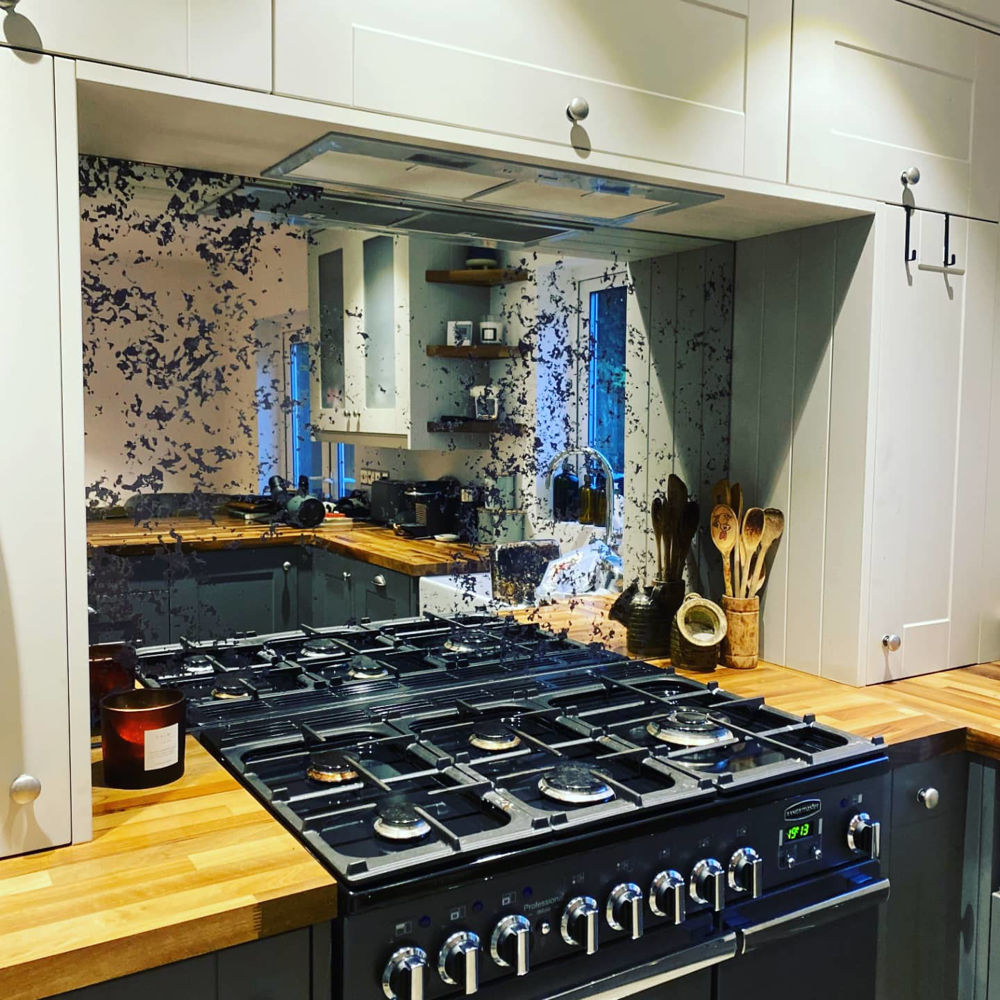
Real-World Success: Michael's Antique Mirror Transformation
A recent customer experience perfectly illustrates the unique benefits of choosing glass splashbacks from DIY Splashbacks.
Michael from Kent had been exploring options for an antique mirror splashback in his kitchen. After receiving quotes exceeding £3,000 from traditional suppliers, he was also told by installers that toughened glass mirrors were simply impossible to produce. This is a common misconception in the industry.
Through further research, Michael discovered that DIY Splashbacks had developed pioneering manufacturing techniques that successfully create toughened glass mirrors—something other companies claimed was impossible. Not only did we provide the product that others couldn't, but our comprehensive online tutorials enabled Michael to measure and install the splashback himself.
The result? Michael secured a beautiful 2.4 meter by 0.75mm T-shaped antique mirror glass splashback for just £815, saving over £2,000 compared to competitor quotes. His kitchen now features a stunning, safe, and durable toughened antique mirror glass splashback that makes a dramatic visual statement.
Addressing Common Concerns About Glass Splashbacks
Cost Considerations
While the initial investment in glass splashbacks can be higher than some alternatives, our DIY approach significantly reduces overall costs. By providing detailed instructions and support for self-installation, customers can enjoy premium glass splashbacks without premium installation fees, as Michael's experience demonstrates.
Installation Complexity
Many homeowners worry that glass splashbacks require professional installation. At DIY Splashbacks, we've developed comprehensive resources specifically designed to guide customers through the measuring and installation process, making it accessible even for those with limited DIY experience.
Durability Questions
Some question whether glass is suitable for kitchen environments. The reality is that modern toughened glass, like that used in our splashbacks, is designed specifically for high-heat, high-impact areas. Our manufacturing process ensures splashbacks that are up to five times stronger than standard glass.
Innovative Options That Set DIY Splashbacks Apart
What truly distinguishes DIY Splashbacks in the market is our technological innovation. We've developed proprietary techniques for producing specialized glass products that many competitors claim are impossible:

Toughened Antique Mirror Glass: Creating the vintage aesthetic of antique mirrors while maintaining the safety benefits of toughened glass
Custom Printed Toughened Glass: Allowing personalized images with full heat resistance
Precise Color Matching: Ensuring your splashback perfectly complements existing kitchen elements

Conclusion: Glass Splashbacks as a Practical Luxury
Based on our extensive experience in the industry, we can confidently state that glass splashbacks are indeed an excellent idea for most kitchens. They combine practical benefits (hygiene, heat resistance, durability) with aesthetic advantages (light reflection, seamless appearance, design flexibility) in a way that few other materials can match.
With options like our innovative toughened antique mirror glass and our comprehensive DIY support system, DIY Splashbacks has made these premium kitchen features accessible to a much wider range of homeowners. The result is kitchens that are both functional and stunning, often at a fraction of the price quoted by traditional suppliers.
For more information about our toughened glass splashbacks or to explore our range of custom glass solutions, visit our website at www.diysplashback.co.uk.

DIY Splashbacks specializes in custom glass solutions including toughened mirror glass, printed glass, colored glass, and antique mirror glass splashbacks. Our innovative manufacturing processes and comprehensive customer support have established us as the UK's premier provider of affordable, high-quality glass splashbacks for kitchens and bathrooms.

Splashback vs. Backsplash: What’s the Difference and Why It Matters

When designing or renovating a kitchen, you’ve likely come across the terms splashback and backsplash. They’re often used interchangeably, but are they really the same thing? In this blog post, we’ll clarify the terminology, explore the functional and aesthetic roles of splashbacks in modern kitchen design, and explain why understanding the distinction matters for creating a stylish and practical space.

What’s in a name? Defining splashback and backsplash

At first glance, splashback and backsplash seem to describe the same thing: a protective surface behind your kitchen worktop, sink, or hob that shields the wall from spills, splashes, and stains. While their core purpose is similar, there are subtle differences in how the terms are applied.

  • Splashback: A splashback typically refers to a single, continuous panel or material installed behind key kitchen areas like the sink or cooker. It’s often associated with modern, seamless designs made from materials like glass, acrylic, or stainless steel. Our kitchen splashbacks are prized for their sleek appearance and ease of maintenance. For example, our range includes vibrant glass and acrylic options that create a streamlined, contemporary look.
  • Backsplash: A backsplash is a broader term that can encompass any protective wall covering in the kitchen, often made up of smaller components like tiles or mosaics. Backsplashes are more traditional and versatile, allowing for intricate patterns or textured designs. Think classic subway tiles or a herringbone layout behind your worktop.

The distinction lies in scope and style. Splashbacks lean toward minimalism and modernity, while backsplashes embrace flexibility and decorative flair. However, in everyday conversation (and even among designers), the terms often overlap, so context is key.

The functional role of splashbacks

Whether you call it a splashback or a backsplash, its primary job is to protect your kitchen walls from the mess of daily cooking. From sizzling oil to simmering sauces, kitchens are splash zones, and an effective splashback keeps your walls clean and free from damage. Here’s why this matters:

  • Hygiene: A splashback creates a non-porous, wipeable surface that’s easy to clean. For instance, the glass splashbacks we provide resist stains and bacteria, making them ideal for busy kitchens where hygiene is paramount.
  • Durability: Water, heat, and grease can wreak havoc on unprotected walls. A well-chosen splashback, whether acrylic or toughened glass, withstands these elements, preventing costly repairs or redecorating down the line.
  • Coverage: Splashbacks are often designed to span the length of a worktop or specific zones like the sink and hob, ensuring comprehensive protection. Unlike tiled backsplashes, which may have grout lines that trap grime, seamless splashbacks offer uninterrupted coverage.

Functionality doesn’t mean sacrificing style. Modern splashbacks balance practicality with personality, elevating the kitchen beyond a purely utilitarian space.

The aesthetic role of splashbacks in modern kitchen design

In today’s kitchens, splashbacks are more than just protective barriers, they’re design statements. With endless colours, finishes, and materials available, they can transform the look and feel of your space. Here’s how splashbacks contribute to modern kitchen aesthetics:

  • Sleek minimalism: Glass or acrylic splashbacks, like those we offer, create a polished, uncluttered look. Their smooth surfaces reflect light, making small kitchens feel brighter and more spacious. A bold red or glossy white splashback can add a pop of colour without overwhelming the room.
  • Customisation: Modern splashbacks can be tailored to your taste. From subtle neutrals to vibrant hues or even printed designs, they let you inject personality into your kitchen. Imagine a custom glass splashback with a geometric pattern that ties in with your cabinetry, it’s a focal point that feels uniquely yours.
  • Visual flow: Unlike tiled backsplashes, which can break up a wall with grout lines or busy patterns, splashbacks create a seamless visual flow. This is especially effective in open-plan kitchens, where a continuous splashback unifies the cooking area with the living space.
  • Versatility: Splashbacks complement any design style, from industrial (think metallic finishes) to Scandinavian (clean whites or soft pastels). They’re a versatile canvas that enhances your kitchen’s overall aesthetic without stealing the show.

The beauty of a splashback lies in its ability to marry form and function. It protects your walls while serving as a design element that ties the room together.

Why the difference matters

So, why bother distinguishing between a splashback and a backsplash? Understanding the nuances helps you make informed choices that align with your kitchen’s needs and style. Here’s why it matters:

  • Design intent: If you’re aiming for a modern, streamlined kitchen, a splashback’s continuous surface might be your best bet. For a traditional or eclectic vibe, a tiled backsplash offers more scope for patterns and textures. Knowing the difference helps you articulate your vision to designers or suppliers.
  • Maintenance needs: Splashbacks, especially glass or acrylic ones like those we offer, are low-maintenance due to their lack of grout lines. If you dread scrubbing tiles, a splashback could save you time and effort.
  • Budget and installation: Splashbacks often require fewer materials and less labour than intricate backsplash designs, which may involve cutting tiles or creating complex layouts. If you’re working within a budget, a single-panel splashback can be a cost-effective yet stylish solution.
  • Longevity: A splashback’s durability and timeless appeal make it a smart investment. While backsplash trends (like specific tile shapes) may come and go, a classic glass splashback remains versatile and relevant.

Choosing the right option for your kitchen

Deciding between a splashback and a backsplash depends on your priorities. Ask yourself:

  • What’s my style? Do you love clean lines and modern elegance, or do you prefer detailed, tactile designs?
  • How much maintenance am I willing to do? If you want a fuss-free kitchen, a seamless splashback might be ideal.
  • What’s my budget? Splashbacks can be more affordable for larger areas, while backsplashes allow for budget-friendly creativity with tiles.
  • How long will I stay in this home? A durable, timeless splashback adds value and appeal for future buyers.

For those leaning toward a splashback, the options we offer are worth exploring. Their glass and acrylic splashbacks come in a range of colours and finishes, offering both practicality and style for any kitchen.

Final thoughts

Whether you call it a splashback or a backsplash, this kitchen feature is a game-changer. It protects your walls, enhances hygiene, and elevates your design, all while reflecting your personal taste. By understanding the subtle differences between the two, you can choose the option that best suits your lifestyle and aesthetic goals. A splashback from diysplashbacks.co.uk might just be the sleek, modern touch your kitchen needs, while a creative backsplash could add character to a traditional space. Whatever you choose, it’s clear: this small detail makes a big impact.