RSS

Blog

Dealing with Splashback Stains: Common Issues and Smart Solutions

Dealing with Splashback Stains: Common Issues and Smart Solutions

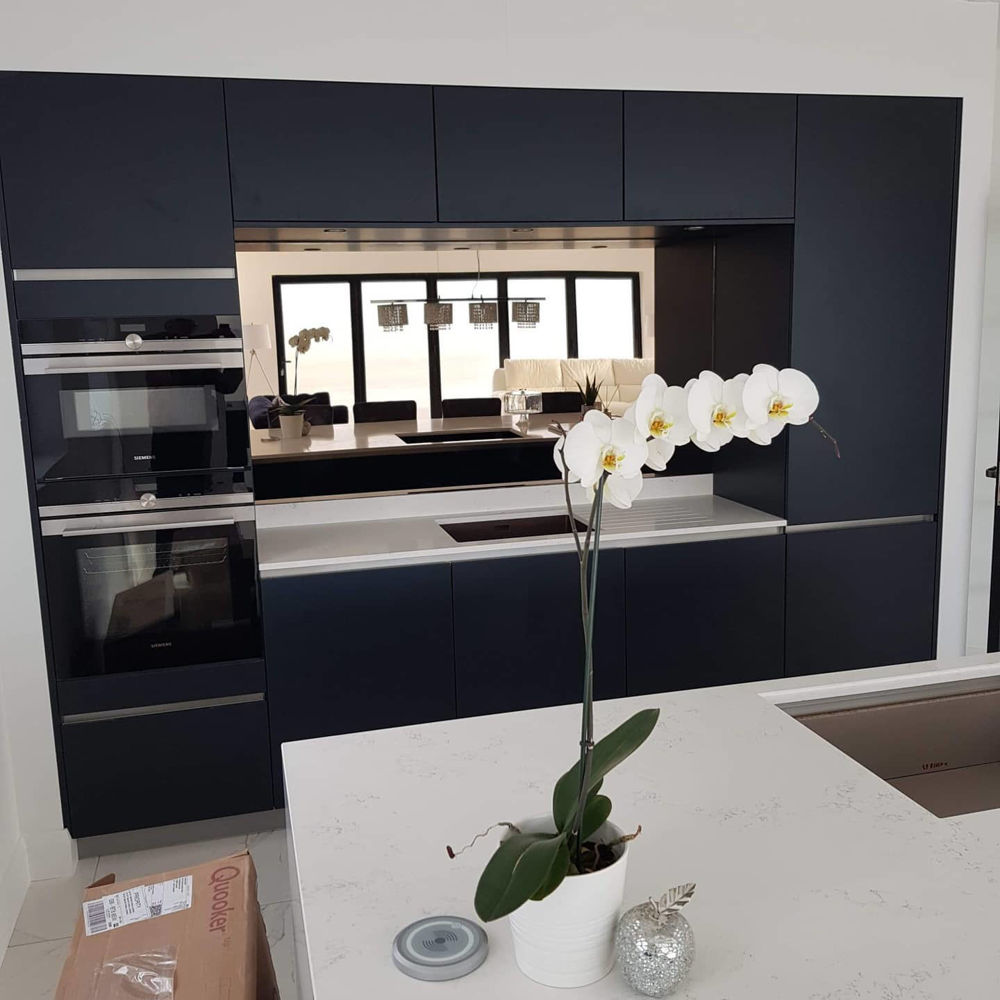
A pristine splashback doesn’t just elevate your kitchen’s aesthetic — it also plays a pivotal role in keeping your cooking space hygienic and easy to maintain. But over time, even the most durable splashbacks can fall victim to stains, smudges, and discoloration. Whether you have glass, acrylic, or stainless steel, knowing how to deal with common splashback stains ensures your kitchen stays spotless and stylish.

Let’s explore the main culprits and how to tackle them like a pro.


1. Grease and Oil Build-Up

The Issue: 

Grease splatters are inevitable, especially around the hob or oven area. Over time, they harden into a sticky film that dulls your splashback’s shine.

The Solution:

Use a soft cloth with warm water and a few drops of mild dish soap. For glass splashbacks, you can use a vinegar-water mix for extra sparkle. Avoid abrasive sponges or strong chemicals that can scratch or damage surfaces.

Pro Tip: Installing an easy-to-clean glass splashback can significantly reduce cleaning time and maintain a glossy finish for years.


2. Water Marks and Limescale

The Issue:

Hard water leaves behind mineral deposits, especially noticeable on reflective surfaces like mirrored or crystal splashbacks.

The Solution:

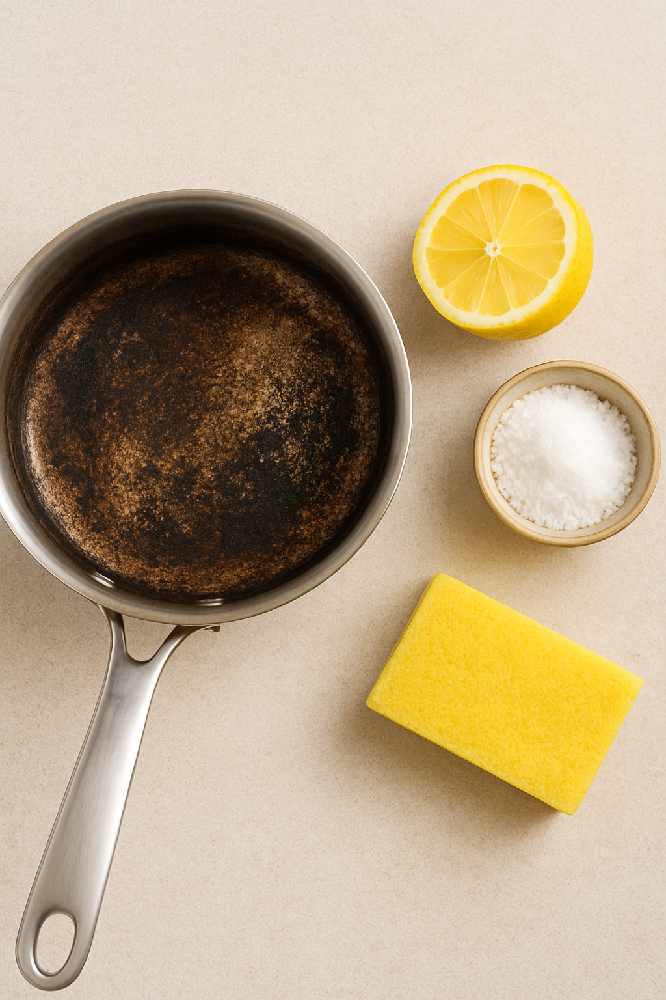
Wipe regularly with a microfiber cloth and a solution of equal parts white vinegar and water. For stubborn spots, apply a small amount of lemon juice — nature’s own limescale fighter.


3. Food and Sauce Splashes

The Issue:

Tomato sauce, curry, and spices can stain lighter splashbacks if not cleaned promptly.

The Solution:

Act fast — wipe spills immediately with a damp cloth. For set-in stains, use a non-abrasive cleaner designed for the specific material of your splashback. Acrylic surfaces, for instance, need gentler treatment than stainless steel.

Related Tip: Consider coloured acrylic splashbacks for kitchens that face heavy use; they combine vibrant style with practical stain resistance.


4. Heat Discoloration

The Issue:

Splashbacks installed behind cooktops can develop discoloration over time due to heat exposure.

The Solution:

Opt for heat-resistant materials such as toughened glass or aluminium composite panels. If your current splashback is discoloured, professional polishing or replacement may be the best course of action.

For long-term protection, explore custom splashback options that combine durability with design flexibility.


5. Fingerprints and Smudges

The Issue:

Glossy splashbacks, while elegant, are prone to visible fingerprints and streaks.

The Solution:

Use a soft microfiber cloth and a glass cleaner for quick touch-ups. For acrylic or mirror finishes, an anti-static spray can reduce future marks.


Final Thoughts

Maintaining a spotless splashback isn’t just about cleanliness — it’s about preserving your kitchen’s character. Regular upkeep, the right cleaning techniques, and choosing quality materials make all the difference.

If you’re looking to upgrade to a low-maintenance, high-impact option, browse the full range of designs at DIY Splashbacks. From modern glass to custom-printed panels, you’ll find the perfect solution for your kitchen’s needs.


Related Reads:

5 Signs It’s Time to Replace Your Kitchen Splashback

How to Measure a Splashback Area Yourself

Small Kitchen? How Splashbacks Can Make Your Space Look Bigger

5 Signs It’s Time to Replace Your Kitchen Splashback

5 Signs It’s Time to Replace Your Kitchen Splashback

Your kitchen splashback is more than just a decorative element — it protects your walls from moisture, grease, and daily wear and tear. But over time, even the best splashbacks can start showing signs of age. Recognizing when to replace yours can help maintain both the beauty and functionality of your kitchen.


1. Visible Cracks or Damage

Cracks, chips, or dents are clear indicators that your splashback has reached the end of its life. These imperfections not only spoil the look of your kitchen but can also allow water to seep through, leading to mould and wall damage. If you notice these issues, consider replacing your old splashback with a durable and modern alternative such as a glass splashback or acrylic splashback for a sleek finish.


2. Outdated Design or Colour

Kitchen styles evolve over time, and what looked trendy a decade ago may now feel dated. If your splashback no longer matches your cabinets or countertop, it might be time for an upgrade. Modern splashbacks come in a wide range of colours and finishes, allowing you to instantly refresh your space and bring your kitchen back to life.


3. Stubborn Stains and Discolouration

If grease marks or stains just won’t come off no matter how hard you scrub, it’s a sign that the material has worn out or become porous. Over time, older tiles or cheap plastic panels can absorb stains, making cleaning impossible. Replacing your splashback with a non-porous material like glass ensures effortless cleaning and long-lasting shine.


4. Loose or Peeling Sections

If you notice parts of your splashback pulling away from the wall or peeling at the edges, don’t ignore it. Loose sections can allow moisture to get behind the panels, leading to mould or even wall damage. A fresh installation not only restores your kitchen’s appearance but also ensures proper sealing and protection against moisture.


5. Renovating or Upgrading Your Kitchen

A splashback replacement is often the finishing touch that completes a kitchen renovation. Whether you’re installing new cabinets, changing countertops, or upgrading appliances, a new splashback can tie everything together beautifully. It’s an easy way to elevate your space without a complete remodel.


Final Thoughts

Replacing your kitchen splashback is a simple yet impactful way to update your space and maintain hygiene. From stylish coloured glass to practical acrylic options, modern splashbacks offer endless possibilities.

Explore a wide range of designs and custom options at DIY Splashbacks — your one-stop destination for premium, made-to-measure splashbacks for every kitchen style.


 Related Topics

How to Measure a Splashback Area Yourself

DIY Splashback Installation: Is It Worth It?

Modern vs. Traditional Splashback Designs: Which Fits Your Home?

Small Kitchen? How Splashbacks Can Make Your Space Look Bigger

Small Kitchen? How Splashbacks Can Make Your Space Look Bigger

When it comes to compact kitchens, every design element should serve double duty — functional and aesthetic. The right splashback can do just that, protecting your walls while visually expanding the space. With a few strategic choices, you can transform even the tiniest kitchen into an open, light-filled masterpiece.


1. Reflect Light, Expand the View

Light is the secret weapon of spatial design. The more your surfaces reflect it, the larger your kitchen appears. Glass splashbacks are ideal for this effect. Their glossy surface bounces both natural and artificial light, brightening corners and creating the illusion of depth.

For the ultimate reflection, a mirror splashback can visually double your kitchen space.


2. Choose Light or Neutral Colors

Light and neutral tones are your best allies in creating a sense of openness. Whites, creams, soft greys, and pastels make walls seem farther apart and surfaces more continuous. Pairing a neutral-toned splashback with matching cabinetry keeps visual flow uninterrupted.

👉 Explore a selection of custom-coloured splashbacks at DIY Splashbacks.


3. Create Depth with Patterns or Finishes

A carefully chosen pattern can trick the eye into seeing more depth than actually exists. Textured or metallic splashbacks add subtle variation that draws the eye along surfaces, elongating the room. Horizontal patterns, for instance, make narrow kitchens feel wider and more balanced.


4. Go Seamless and Sleek

In small kitchens, less is more. Seamless glass or acrylic splashbacks eliminate grout lines, giving your walls a clean, uninterrupted finish. This smooth surface enhances light flow and makes the space appear uncluttered and sophisticated.

👉 Check out acrylic splashbacks for a stylish and budget-friendly alternative at DIY Splashbacks.


5. Extend Vertically or Around Corners

Breaking from the norm pays off. Extending your splashback to the ceiling or wrapping it around corners can make your kitchen look taller and more unified. It’s a visual trick that instantly adds height and dimension to the room.


6. Pair with Strategic Lighting

Installing under-cabinet LED lighting or strip lights above your splashback enhances brightness and sparkle. When reflected across a glossy surface, these lights amplify space and create a luxurious, modern vibe — even in compact layouts.


Final Thoughts

Small kitchens thrive on smart design. The right splashback can redefine your space, adding light, continuity, and sophistication. Whether you opt for glass, mirror, or acrylic, your splashback isn’t just a backdrop — it’s a space-expanding feature that makes every square inch work harder.

Explore bespoke splashback options at DIY Splashbacks and reimagine what’s possible in your kitchen today.


Related Reads from DIY Splashbacks

Matching Your Splashback to Your Countertops and Cabinets

Top Splashback Color Trends for 2025

DIY Splashback Installation: Is It Worth It?

What to Expect: The Splashback Installation Process

What to Expect: The Splashback Installation Process

When it comes to elevating your kitchen or bathroom design, a splashback is more than a protective feature—it’s a statement of style and precision. Understanding what goes into the installation process ensures you’re prepared every step of the way. Whether you’re going for glass, acrylic, or crystal, a seamless installation guarantees a flawless finish that lasts for years.

Below is a detailed, step-by-step look at what to expect during your splashback installation journey.


1. Initial Consultation and Measurement

The first step begins with accurate measurement. Professionals or DIY enthusiasts will measure the wall area behind your cooktop, sink, or countertops to determine the exact size and shape of your splashback.

If you’re planning to do it yourself, check out DIY Splashbacks’ measurement guide for a detailed walkthrough. Precision is key here—millimeter accuracy ensures a perfect fit and prevents costly errors during installation.


2. Material Selection and Customization

Once measurements are taken, the next phase is material selection. From toughened glass to acrylic panels or mirror splashbacks, the choice depends on your aesthetic preference and budget.

Visit DIY Splashbacks to explore a range of customisable designs, colour options, and finishes that fit seamlessly with your kitchen’s theme. You can even upload your own image for a bespoke printed splashback.


3. Preparation of the Surface


Before installation begins, the wall must be prepared. The installer will:

Clean the surface thoroughly.

Remove dust, grease, or any old adhesive residue.

Check for unevenness and apply filler if necessary.

This creates a smooth foundation for the adhesive to bond perfectly with the splashback.


4. Fitting and Adhesive Application

Next comes the core of the process—the installation itself. The panel is carefully aligned and fitted using high-strength neutral-cure silicone or splashback adhesive.

For DIY projects, always follow the manufacturer’s instructions. Typically, the splashback is gently pressed into place and supported while the adhesive sets, ensuring no air bubbles form behind it.


5. Finishing Touches

Once the adhesive cures, it’s time for the finishing details:

Seal the edges with clear or colour-matched silicone to prevent moisture from seeping behind the panel.

Polish the surface to achieve a sleek, reflective shine.

Inspect the fit to confirm everything is level and aligned.

These final touches create that polished, showroom-quality look that defines professional craftsmanship.


6. Clean-Up and Aftercare

After installation, the area will be cleaned to remove any excess sealant or fingerprints. It’s best to let the splashback set for at least 24 hours before exposing it to heat or moisture.

To maintain its look, simply wipe it down with a soft cloth and mild detergent—no abrasive cleaners needed.


Final Thoughts

Installing a splashback doesn’t just protect your walls—it transforms your space. Whether you opt for a bold colour, a subtle neutral tone, or a high-gloss mirror finish, the process is straightforward when done correctly.

For more inspiration, explore DIY Splashbacks’ full range of options, from modern kitchen glass splashbacks to custom printed designs that turn your wall into a statement piece.

What to Expect: The Splashback Installation Process

What to Expect: The Splashback Installation Process


When it comes to elevating your kitchen or bathroom design, a splashback is more than a protective feature—it’s a statement of style and precision. Understanding what goes into the installation process ensures you’re prepared every step of the way. Whether you’re going for glass, acrylic, or crystal, a seamless installation guarantees a flawless finish that lasts for years.

Below is a detailed, step-by-step look at what to expect during your splashback installation journey.


1. Initial Consultation and Measurement

The first step begins with accurate measurement. Professionals or DIY enthusiasts will measure the wall area behind your cooktop, sink, or countertops to determine the exact size and shape of your splashback.

If you’re planning to do it yourself, check out DIY Splashbacks’ measurement guide for a detailed walkthrough. Precision is key here—millimeter accuracy ensures a perfect fit and prevents costly errors during installation.


2. Material Selection and Customization

Once measurements are taken, the next phase is material selection. From toughened glass to acrylic panels or mirror splashbacks, the choice depends on your aesthetic preference and budget.

Visit DIY Splashbacks to explore a range of customisable designs, colour options, and finishes that fit seamlessly with your kitchen’s theme. You can even upload your own image for a bespoke printed splashback.


3. Preparation of the Surface


Before installation begins, the wall must be prepared. The installer will:

Clean the surface thoroughly.

Remove dust, grease, or any old adhesive residue.

Check for unevenness and apply filler if necessary.

This creates a smooth foundation for the adhesive to bond perfectly with the splashback.


4. Fitting and Adhesive Application

Next comes the core of the process—the installation itself. The panel is carefully aligned and fitted using high-strength neutral-cure silicone or splashback adhesive.

For DIY projects, always follow the manufacturer’s instructions, such as those from DIY Splashbacks’ fitting guide. Typically, the splashback is gently pressed into place and supported while the adhesive sets, ensuring no air bubbles form behind it.


5. Finishing Touches

Once the adhesive cures, it’s time for the finishing details:

Seal the edges with clear or colour-matched silicone to prevent moisture from seeping behind the panel.

Polish the surface to achieve a sleek, reflective shine.

Inspect the fit to confirm everything is level and aligned.

These final touches create that polished, showroom-quality look that defines professional craftsmanship.


6. Clean-Up and Aftercare

After installation, the area will be cleaned to remove any excess sealant or fingerprints. It’s best to let the splashback set for at least 24 hours before exposing it to heat or moisture.

To maintain its look, simply wipe it down with a soft cloth and mild detergent—no abrasive cleaners needed.


Final Thoughts

Installing a splashback doesn’t just protect your walls—it transforms your space. Whether you opt for a bold colour, a subtle neutral tone, or a high-gloss mirror finish, the process is straightforward when done correctly.

For more inspiration, explore DIY Splashbacks’ full range of options, from modern kitchen glass splashbacks to custom printed designs that turn your wall into a statement piece.

What Kitchen Designers Say About Splashback Selection

What Kitchen Designers Say About Splashback Selection


When it comes to curating a kitchen that blends function with flair, one design feature consistently at the heart of the conversation is the splashback. Leading kitchen designers agree — your splashback is far more than just a protective panel. It’s a design statement, a reflection of your home’s personality, and a key element that ties together the visual harmony of your cooking space.

Let’s tap into what the experts say about making the right splashback selection — and how to strike the perfect balance between timeless appeal and modern innovation.


1. Design Cohesion is Non-Negotiable

Top designers emphasize that a splashback should complement, not compete with your kitchen. Whether you’re dealing with a minimalist setup or a traditional country-style kitchen, cohesion is crucial.

If your countertops are already bold — think marbled quartz or veined granite — designers recommend choosing a neutral glass splashback for a sleek finish. Conversely, if your counters are understated, consider using coloured or printed glass splashbacks to inject vibrancy and depth.

For example, DIY Splashbacks offers a wide range of color-matched options that can be tailored to your cabinetry or wall tone, ensuring your kitchen feels intentional and well-curated.


2. Function Meets Flair

Professionals agree: practicality shouldn’t be sacrificed for aesthetics. A splashback’s core purpose is protection from moisture, grease, and heat. Designers often recommend toughened glass splashbacks because they tick every box — heat-resistant, hygienic, and easy to clean.

Unlike tiles with grout lines that trap dirt, glass offers a seamless surface, giving the kitchen a high-end, low-maintenance edge.


3. Lighting Can Transform the Look

Top-tier designers understand the power of lighting in amplifying a splashback’s impact. A reflective surface, like a mirror splashback, can make smaller kitchens appear larger by bouncing natural light around the room.

For a more subtle glow, LED backlighting behind glass splashbacks has become a rising trend — it adds ambience and sophistication while highlighting textures and colours beautifully.


4. Go Bold — But Know Your Limits

Designers encourage homeowners to be expressive, but not impulsive. Bold colours and printed splashbacks can become statement pieces, but it’s essential to ensure longevity in appeal.

Kitchen designer insight: “If you’re going bold, choose a colour that complements your existing palette — not just what’s trending this year.” With DIY Splashbacks’ colour visualiser, you can preview how various tones work with your kitchen’s lighting and finishes before committing.


5. Future-Proof Your Choice

Great design transcends trends. Kitchen professionals often advise selecting materials and finishes that won’t feel dated in a few years. Neutral hues, clean lines, and materials like glass or acrylic offer enduring elegance.

Acrylic splashbacks, for instance, mimic the look of glass but are lightweight and cost-effective — a practical choice for homeowners who crave flexibility and affordability without compromising design.


In Summary

Kitchen designers are unanimous on one point: your splashback should tell a story. It’s the visual bridge between your countertops, cabinetry, and personal taste. The key lies in marrying style, practicality, and timelessness — a trio that ensures your kitchen stays fresh, functional, and future-ready.

If you’re ready to explore color options, materials, and styles tailored to your space, browse the full range of bespoke splashbacks at DIY Splashbacks.


Related Reads:

Matching Your Splashback to Your Countertops and Cabinets

How to Fit an Acrylic Splashback at Home

Understanding Splashback Thickness: Does It Matter?

Matching Your Splashback to Your Countertops and Cabinets: A Guide to Cohesive Kitchen Design

Matching Your Splashback to Your Countertops and Cabinets: A Guide to Cohesive Kitchen Design

When it comes to designing a kitchen that’s both stylish and functional, cohesion is key. The perfect combination of splashbacks, countertops, and cabinets can make the difference between a kitchen that feels disjointed and one that feels like a seamless, designer masterpiece. Whether you’re building new or refreshing your space, matching your splashback to your existing countertops and cabinets requires strategic thinking — not guesswork.


1. Start with a Clear Vision

Before diving into colour swatches and samples, define your overall kitchen aesthetic. Are you going for modern minimalism, rustic charm, or a timeless classic look?

Each style calls for a different approach:

Modern kitchens pair well with glass splashbacks in sleek tones such as grey, white, or metallic finishes.

Rustic or farmhouse styles look best with natural hues, such as stone-effect or patterned acrylic splashbacks.

Classic kitchens benefit from neutral glass splashbacks that subtly reflect light without overpowering the cabinetry.

If you need inspiration, explore the wide selection of glass and acrylic splashbacks at DIY Splashbacks for colour options that fit every design scheme.


2. Coordinate Colours and Textures

The golden rule of kitchen design: contrast with purpose. You want each surface to complement the others without competing for attention.

If your countertops are dark granite or quartz, balance them with a lighter-toned splashback to create depth and openness.

For light cabinets, consider a bold splashback colour that adds personality and a visual anchor.

When using patterned materials, ensure that only one element (splashback, cabinet, or countertop) is the statement piece—keep the rest subtle.

Glass and acrylic splashbacks from DIY Splashbacks offer both glossy and matte finishes, allowing you to match or contrast textures effortlessly.


3. Harmonize with Cabinet Finishes

Cabinets take up the most visual space, so their tone sets the stage for your splashback.

Gloss cabinets work beautifully with reflective glass splashbacks for a sleek, unified appearance.

Matte or woodgrain cabinets pair better with soft, satin finishes or muted colours that echo natural materials.

To tie the look together, consider colour repetition — for example, a grey splashback that picks up the veining in marble countertops or complements charcoal cabinet handles.


4. Don’t Forget the Lighting

Your lighting setup will dramatically affect how colours and finishes appear. Under-cabinet LED strips can enhance the depth of a glass splashback, while natural light can make acrylic tones appear warmer or cooler.

Before committing, test splashback samples in your actual lighting conditions — DIY Splashbacks offers sample pieces so you can preview your design in real time.


5. Bring It All Together

When countertops, cabinets, and splashbacks are thoughtfully coordinated, your kitchen transforms from ordinary to extraordinary. It’s about balance: blending hues, finishes, and materials that reflect your personality while maintaining harmony.

For a deeper look at how to choose and fit your perfect splashback, explore related articles such as:

Colored Splashbacks: Choosing the Perfect Shade for Your Kitchen

Best Material for Kitchen Splashbacks.

Top Splashback Color Trends for 2025


Final Thought:

Matching your splashback to your countertops and cabinets isn’t just about style—it’s about creating a kitchen that feels unified, practical, and timeless. With a thoughtful approach and the right products from DIY Splashbacks, your dream kitchen design can easily become a reality.

How to Fit an Acrylic Splashback at Home: A Step-by-Step Guide


How to Fit an Acrylic Splashback at Home: A Step-by-Step Guide


When it comes to modern kitchen or bathroom design, acrylic splashbacks are a game-changer. They’re lightweight, durable, and cost-effective — giving your space a glossy, seamless finish without the hassle of tiles. If you’re looking to take a DIY-first approach, fitting an acrylic splashback at home is easier than you think. Here’s a forward-thinking guide that blends traditional precision with modern efficiency.


Step 1: Measure and Prepare Your Space

Start by measuring the wall area where you’ll install your splashback. Use a tape measure to capture both width and height accurately. Double-check these dimensions — accuracy is key to a perfect fit. For detailed measurement guidance, visit DIY Splashbacks’ measurement guide.

Once measured, clean the wall thoroughly to remove grease, dust, or old adhesive. A smooth, dry surface ensures maximum grip for the adhesive.


Step 2: Cut or Order Your Splashback to Size

Acrylic splashbacks can be easily cut to fit sockets, switches, or corners. If you prefer a professional finish, order your splashback pre-cut to your specifications directly from DIY Splashbacks. Their precision-cutting service guarantees a flawless fit that saves time and effort.


Step 3: Apply the Adhesive

Lay your acrylic panel face down on a clean surface. Use a non-solvent adhesive designed specifically for acrylic or plastic materials. Apply it evenly in vertical lines or small dabs across the back of the splashback — avoiding the edges to prevent overflow.


Step 4: Mount the Splashback

Carefully position the splashback on the wall, starting from one end and pressing gently to ensure full contact. For large panels, it’s best to have a second person assist.

Once in place, apply gentle pressure across the surface to remove any air pockets. Use masking tape to hold the panel while the adhesive cures (usually 24 hours).


Step 5: Seal the Edges

Finish the job by sealing the perimeter with clear silicone sealant, particularly around edges exposed to moisture (like near a sink or hob). This not only creates a watertight barrier but also gives a clean, professional finish.


Step 6: Step Back and Admire Your Work

Once the adhesive and sealant are fully cured, peel away any protective film from the acrylic. You’ll be left with a sleek, glossy splashback that reflects light beautifully — instantly elevating your kitchen or bathroom design.


Why Acrylic Splashbacks Are a Smart Choice

Acrylic is a forward-thinking material for today’s homeowners. It mimics the luxurious look of glass at a fraction of the cost and is up to 10 times stronger. Plus, it’s easy to maintain — just wipe with a soft cloth and mild detergent.

Explore the full range of acrylic splashbacks to find colours and finishes that align with your vision.


Related Reads

How to Measure a Splashback Area Yourself

Glass vs Acrylic Splashbacks: Which is Better?

DIY Splashback Installation: Is It Worth It?


Final Thought:

Incorporating an acrylic splashback isn’t just a DIY project — it’s an investment in your home’s longevity and visual appeal. With the right tools, precision, and a little patience, you can achieve showroom-quality results right from your own kitchen.


Best Material for Kitchen Splashbacks: A Complete Buyer’s Guide

Best Material for Kitchen Splashbacks: A Complete Buyer’s Guide

In every kitchen, the splashback does more than protect the walls — it defines the tone, texture, and personality of the entire space. Whether you’re renovating or starting from scratch, choosing the right material is a strategic design decision that blends aesthetics, durability, and practicality.

At DIY Splashbacks, you can explore an extensive range of modern and traditional splashback materials that strike the perfect balance between timeless craftsmanship and forward-looking design.


1. Glass Splashbacks – The Modern Standard

Glass is arguably the most popular choice today, and for good reason. A glass kitchen splashback delivers a sleek, reflective finish that opens up the room, making it feel larger and brighter.

It’s also toughened, meaning it can withstand high temperatures from cooktops and is easy to clean — simply wipe and go.

Why homeowners love it:

Non-porous and hygienic

Fully customizable with colored glass splashbacks or printed designs

Seamless installation and minimal joints

Ideal for: Contemporary homes seeking a modern, low-maintenance look.


2. Acrylic Splashbacks – Affordable, Stylish, and Lightweight

If you want a high-impact look without the premium price tag, acrylic splashbacks are your best bet. They mimic the glossy look of glass while being easier to cut and install — perfect for DIY projects.

Why it works:

Lightweight yet durable

Easy to install yourself (no need for professional fitting)

Available in a range of vibrant colours and finishes

Pro Tip: Acrylic isn’t suitable directly behind gas hobs, but it’s ideal for other kitchen zones where heat exposure is minimal.


3. Mirror Splashbacks – Elegant and Space-Enhancing

Transform small kitchens into open, light-filled spaces with mirror splashbacks. These reflective panels add depth and glamour while maintaining a clean, seamless aesthetic.

Why they shine:

Visually expands tight spaces

Adds luxury appeal without overwhelming the design

Easy to clean and maintain

Available options: Standard, bronze, and grey mirrored finishes for a tone that suits your interior palette.


4. Colored Splashbacks – Where Function Meets Personality

A splash of color can completely redefine your kitchen’s atmosphere. With colored glass splashbacks, you can match or contrast tones across walls, cabinetry, and countertops.

Key advantages:

Available in hundreds of custom shades

Durable, heat-resistant, and easy to clean

Adds personality while maintaining a premium feel

From bold primaries to muted neutrals, DIY Splashbacks offers full colour matching to brands like Dulux and Farrow & Ball.


5. Printed Glass Splashbacks – Customisation at Its Best

For those who want their kitchen to stand out, custom printed splashbacks are a statement of individuality. You can upload your own high-resolution image or choose from thousands of designs.

Benefits include:

Fully bespoke visual appeal

Heat-resistant toughened glass construction

Seamless integration with your overall kitchen design

This option turns your cooking space into a conversation piece that reflects your unique personality.


Final Thoughts

Selecting the best material for your kitchen splashback depends on how you balance practicality, cost, and design vision.

For modern, high-impact kitchens, go for glass splashbacks.

For budget-friendly upgrades, acrylic splashbacks offer style without compromise.

For custom artistry, nothing beats a printed or colored glass design.

Each material brings its own strengths — and at DIY Splashbacks, you’ll find everything you need to turn your vision into reality.

How to Measure a Splashback Area Yourself

How to Measure a Splashback Area Yourself

When it comes to installing a new splashback, precision is the difference between a perfect fit and an expensive mistake. Whether you’re planning a glass, acrylic, or mirror splashback, accurate measurements form the foundation of your entire project. The good news? Measuring your splashback area yourself is straightforward when you follow the right steps.

In this guide, we’ll walk you through how to measure like a pro — ensuring your splashback fits seamlessly and looks stunning once installed.


Why Measuring Accurately Matters

Before diving into the process, it’s worth understanding why measurement is so critical. Splashbacks are typically custom-cut to fit your unique wall space. Even a few millimetres off can result in alignment issues, visible gaps, or wasted material. Getting it right the first time saves you time, cost, and frustration.

If you’d like a detailed visual reference, explore the DIY Splashbacks measurement guide — a professional resource designed to help you take precise, reliable measurements every time.


Step 1: Gather Your Tools

To start, you’ll need:

• A steel tape measure (for accurate readings)

• A notepad and pencil to record each dimension

• A spirit level to confirm straight lines

• Optional: a helper, if you’re working on large wall sections

A clean, organised workspace ensures no errors or missed sections as you measure.


Step 2: Measure the Width

Measure the width of the wall area where your splashback will sit — usually from one edge of the countertop to the other. Take measurements at the top and bottom of the wall, as walls are rarely perfectly straight. If the measurements differ slightly, use the smaller dimension to ensure your splashback fits comfortably within the space.

For installations involving multiple wall sections or corner returns, measure each area separately and label them clearly.


Step 3: Measure the Height

Next, measure the height from the top of the worktop to the bottom of the wall cabinet or the desired height limit. Again, check at multiple points along the wall to identify any inconsistencies.

If your splashback runs behind a hob or sink, it’s a good idea to note any potential height variations caused by fixtures or cutouts.


Step 4: Account for Cutouts and Sockets

Sockets, switches, and wall-mounted fittings require precise cutouts in the splashback panel. Measure the distance from the edge of the wall to the centre of each fitting — both horizontally and vertically.

Record these measurements carefully and double-check them. When submitting to your supplier, specify whether these are centre measurements or edge-to-edge measurements for clarity.


Step 5: Double-Check Your Measurements

Accuracy is everything. Once you’ve taken your initial measurements, repeat the process to confirm. Small discrepancies can occur, especially if working alone. Always measure twice — and record the final dimensions clearly.

If you’re unsure, consider making a paper or cardboard template of the area. This helps visualise where your splashback will sit and ensures there are no surprises during installation.


Step 6: Submit Measurements Correctly

When you’re confident in your numbers, it’s time to order. Most suppliers — including DIY Splashbacks — will require measurements in millimetres for accuracy. Be sure to label each section if you’re ordering multiple panels, such as “left wall,” “hob area,” or “sink section.”

Include all socket and window details clearly in your submission to ensure your splashback arrives cut to exact specifications.


Pro Tip: Leave Expansion Space

For glass and acrylic splashbacks, it’s smart to leave a 2–3mm gap around the edges to allow for thermal expansion. This small detail prevents warping and ensures your splashback remains perfectly flush for years to come.


Final Thoughts

Measuring your splashback area yourself is a simple yet vital step in achieving a flawless finish. By following these steps — and leveraging the expert resources available on DIY Splashbacks — you’ll save on installation costs and ensure a professional outcome that elevates your kitchen or bathroom space.

Precision and preparation are key. Take your time, measure twice, and enjoy the satisfaction of seeing your project fit perfectly — the first time.